
Birdwatching Spots in Columbia River Gorge
Birdwatching Spots in Columbia River Gorge | Best Birding Locations & Wildlife
By: Menandro Bacalangco Jr. | August 04, 2026
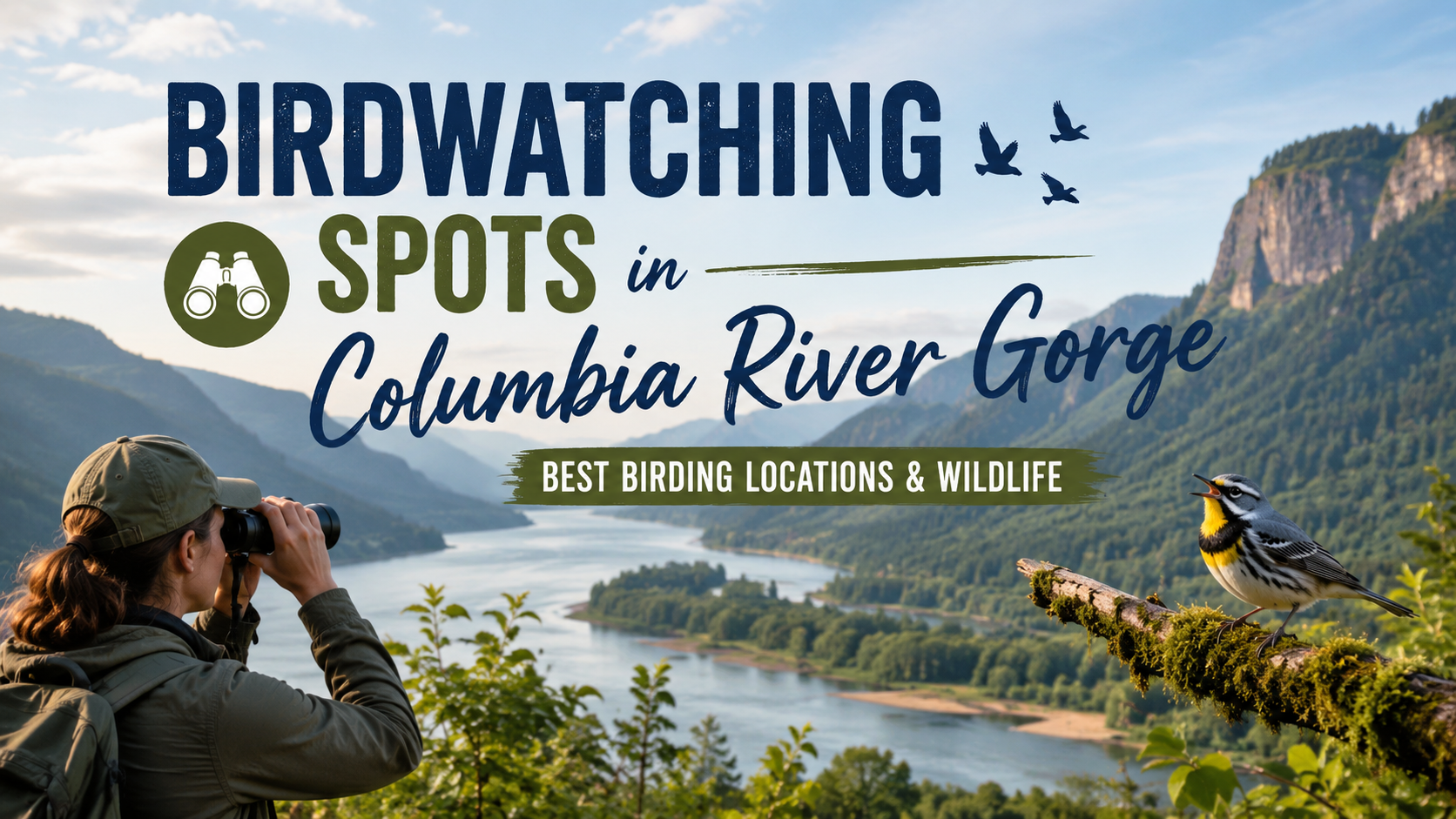
Discover the Best Birdwatching Spots in Columbia River Gorge for Every Nature Lover
The Columbia River Gorge is one of the Pacific Northwest's most remarkable destinations for outdoor recreation, and it's equally impressive for wildlife enthusiasts. Stretching along the Oregon and Washington border, this scenic region offers an incredible variety of bird habitats, from lush forests and rushing streams to wetlands, cliffs, and riverside parks. These diverse ecosystems support hundreds of bird species throughout the year, making the Gorge a favorite destination for both beginner and experienced birders.
Whether you're hoping to photograph majestic bald eagles soaring above the Columbia River, watch colorful songbirds in old-growth forests, or spot elusive water birds along quiet shorelines, there's no shortage of unforgettable birding experiences. This guide highlights some of the best places to enjoy bird watching while exploring one of the most scenic landscapes in the Pacific Northwest.
1. Explore Eagle Creek for Forest Birds
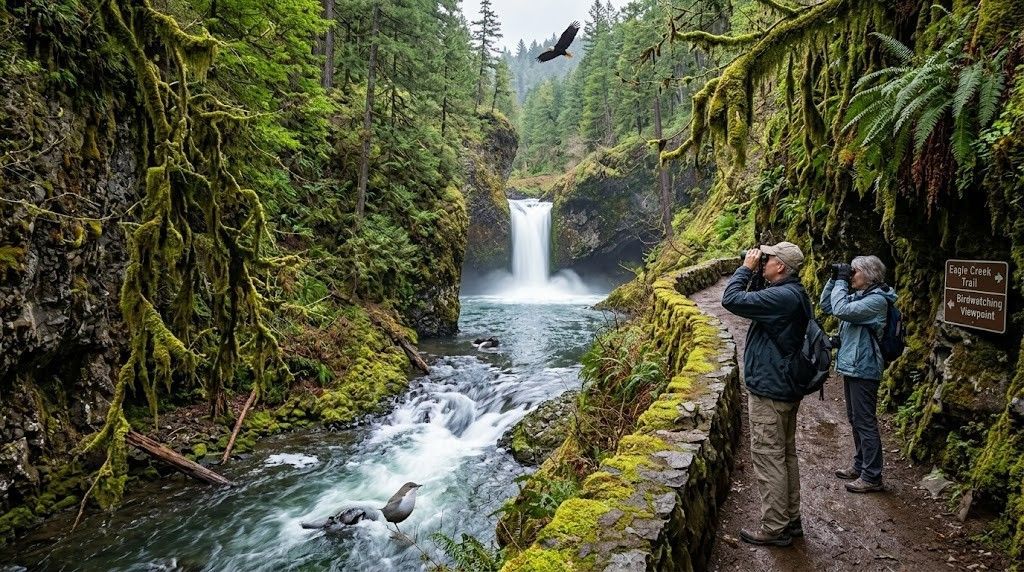
Eagle Creek is one of the Gorge's most rewarding destinations for birding. The towering Douglas firs, moss-covered cliffs, and flowing creek create an ideal environment for woodland birds that thrive in mature forests.
Visitors frequently encounter:
- American Dippers feeding in the rushing creek.
- Pileated Woodpeckers, Pacific Wrens, and Varied Thrushes among the towering evergreens.
- Steller's Jays, Chestnut-backed Chickadees, and Red-breasted Nuthatches throughout the trail system.
Besides exceptional wildlife viewing, Eagle Creek offers beautiful waterfalls and peaceful hiking opportunities, making it an excellent stop for anyone who enjoys combining birding with outdoor adventure.
2. Watch Raptors at Cape Horn
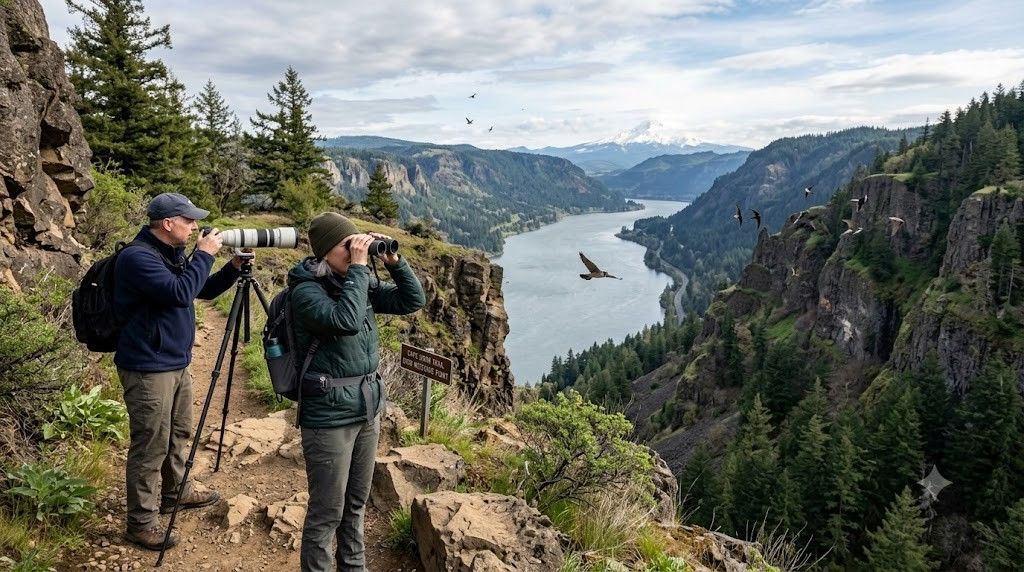
Cape Horn is one of the premier birding locations in the Columbia River Gorge. Its dramatic basalt cliffs overlook the Columbia River and provide excellent nesting habitat for several impressive birds of prey.
During your visit, you may observe:
- Peregrine Falcons gliding above the cliffs.
- Bald Eagles searching the river for fish.
- Turkey Vultures and Red-tailed Hawks soaring on warm air currents.
The panoramic viewpoints also make Cape Horn one of the most scenic places in the Gorge for wildlife photography. Spring and fall migration seasons often bring increased bird activity as numerous species travel along this important corridor.
3. Visit Rowena Crest/Tom McCall Wildlife Preserve
The Rowena Crest/Tom McCall Wildlife Preserve offers a completely different birding experience from the lush western Gorge. Here, grasslands, oak woodlands, and rocky hillsides create habitat for species adapted to drier environments.
Birdwatchers often spot:
- Western Bluebirds and Lazuli Buntings during spring.
- American Kestrels hunting over open fields.
- Golden Eagles and Red-tailed Hawks riding thermal currents.
Wildflowers blanket the preserve during spring, creating a spectacular backdrop for bird photography while supporting native pollinators and healthy ecosystems.
4. Discover Water Birds at Waterfront Park
Waterfront Park near Hood River is an outstanding location for watching birds associated with the Columbia River. Calm waters and shoreline vegetation attract both resident and migratory species throughout the year.
Keep an eye out for:
- Osprey diving for fish.
- Great Blue Herons patiently hunting along the shoreline.
- Canada Geese, Double-crested Cormorants, and seasonal waterfowl.
Early mornings typically provide calmer conditions, softer light for photography, and increased bird activity before recreational traffic increases on the river.
5. Experience Oregon Wildlife Sanctuary Areas
Several protected areas throughout the Gorge function as an important Oregon wildlife sanctuary network, preserving sensitive habitats that support nesting birds and migrating wildlife.
These protected areas provide opportunities to observe:
- Native songbirds in healthy forest ecosystems.
- Seasonal migratory birds following the Pacific Flyway.
- Wildlife living in undisturbed natural habitats.
Responsible visitors help preserve these areas by remaining on designated trails, minimizing noise, and respecting seasonal closures designed to protect nesting birds and other sensitive wildlife.
6. Visit Bonneville Dam for Bald Eagle Sightings
Bonneville Dam is one of the most rewarding birding locations in the Columbia River Gorge, especially during the cooler months. As salmon migrate through the Columbia River, bald eagles and other birds of prey gather to feed, creating incredible wildlife viewing opportunities. The surrounding riverbanks, fish ladders, and nearby forests also attract numerous water birds and songbirds throughout the year.
While exploring Bonneville Dam, you may see:
- Bald Eagles hunting along the Columbia River during salmon runs.
- Osprey, Belted Kingfishers, and Common Mergansers fishing in the river.
- Great Blue Herons, gulls, and cormorants gathering near productive fishing areas.
Bring binoculars or a spotting scope if you plan to spend time here, as many birds can be observed soaring above the river or perched on nearby trees.
7. Explore Horsetail Falls and Nearby Forest Trails
Horsetail Falls is best known for its beautiful waterfall, but it also offers excellent birdwatching thanks to its combination of mature forests, streams, and rocky cliffs. Moist woodland habitats support numerous forest birds that are easier to hear during the quieter morning hours.
Birdwatchers frequently encounter:
- Pacific Wrens, Winter Wrens, and Varied Thrushes among moss-covered forests.
- Northern Flickers, Hairy Woodpeckers, and Pileated Woodpeckers searching tree trunks for insects.
- Black-capped Chickadees, Golden-crowned Kinglets, and Brown Creepers feeding throughout the canopy.
The nearby trails also provide opportunities to enjoy waterfalls, lush scenery, and peaceful hiking while keeping an eye out for wildlife.
8. Best Seasons for Bird Watching in Columbia River Gorge
One of the reasons the Columbia River Gorge remains a premier birding destination is that every season offers something unique. From spring migration to winter eagle watching, birders can enjoy productive outings throughout the year.
Spring
Spring is one of the busiest seasons for bird activity as migratory birds return along the Pacific Flyway. Wildflowers bloom throughout the Gorge, insects become more abundant, and many birds begin nesting.
Common spring sightings include:
- Western Tanagers
- Yellow Warblers
- Lazuli Buntings
Summer
Summer offers ideal weather for hiking and birdwatching. Many resident birds are raising young, while raptors remain active over cliffs and open valleys.
Summer favorites include:
- Osprey
- American Dipper
- Cedar Waxwing
Fall
Fall migration brings another wave of bird activity as species travel south for the winter. Raptors are particularly active during this period.
Look for:
- Sharp-shinned Hawks
- Peregrine Falcons
- Turkey Vultures
Winter
Winter transforms the Gorge into one of the Pacific Northwest's best destinations for eagle watching.
Expect to find:
- Bald Eagles
- Common Goldeneye
- Bufflehead
- Great Blue Herons
9. Tips for a Successful Birdwatching Adventure
Whether you're new to birding or an experienced wildlife photographer, a little preparation can make your visit even more enjoyable. Staying in a nearby cabin can also make early-morning birding trips easier and more relaxing.
For the best experience:
- Visit shortly after sunrise when birds are most active.
- Bring binoculars, a field guide, or bird identification apps like Merlin Bird ID or eBird.
- Wear neutral-colored clothing and move quietly to avoid disturbing wildlife.
Remember to practice Leave No Trace principles by staying on designated trails, respecting wildlife sanctuary areas, and avoiding disturbance to nesting birds.
Final Thoughts
Birdwatching in the Columbia River Gorge is an unforgettable experience for anyone who appreciates wildlife, scenic landscapes, and outdoor adventure. From the towering cliffs of Cape Horn and the forested trails of Eagle Creek to the riverside habitats of Bonneville Dam and Waterfront Park, the Gorge offers an incredible diversity of bird habitats that support hundreds of resident and migratory bird species. Whether you're searching for majestic bald eagles, colorful songbirds, impressive raptors, or peaceful water birds, every season provides new opportunities to connect with nature.
After a day spent exploring the Gorge's best birdwatching spots, consider slowing down and embracing a Wellness Weekend in the Columbia River Gorge. The region's peaceful forests, scenic river views, and fresh mountain air create the perfect setting to relax, recharge, and reconnect with nature. If you're planning to stay in the western Gorge, Artbliss Hotel in Stevenson offers a comfortable boutique retreat with convenient access to many of the area's top outdoor attractions, making it an ideal home base for birdwatching, wellness escapes, and memorable Pacific Northwest adventures.
What is the best birdwatching spot in Columbia River Gorge?
Popular birding locations include Cape Horn, Eagle Creek, Bonneville Dam, Rowena Crest/Tom McCall Wildlife Preserve, Waterfront Park, and Horsetail Falls. Each offers different habitats and bird species throughout the year.
When is the best time to go birdwatching?
Spring and fall are ideal because migratory birds travel through the Gorge along the Pacific Flyway. Winter is excellent for viewing bald eagles, while summer provides reliable sightings of resident birds.
What birds can I see in Columbia River Gorge?
Depending on the season, you may observe bald eagles, osprey, American dippers, peregrine falcons, great blue herons, western bluebirds, cedar waxwings, pileated woodpeckers, kingfishers, warblers, hawks, and many other native bird species.
Is Columbia River Gorge good for beginner birdwatchers?
Absolutely. Many birding locations feature paved viewpoints, short walking trails, and accessible parks, making the Gorge an excellent destination for birdwatchers of all skill levels.
What should I bring for birdwatching?
A quality pair of binoculars, comfortable hiking shoes, weather-appropriate clothing, water, a camera with a telephoto lens, and a bird identification app or field guide are all helpful for a successful outing.