Exploring the Natural Wonders of the Columbia River Gorge
Columbia River Gorge National Scenic Area | Explore the Columbia River
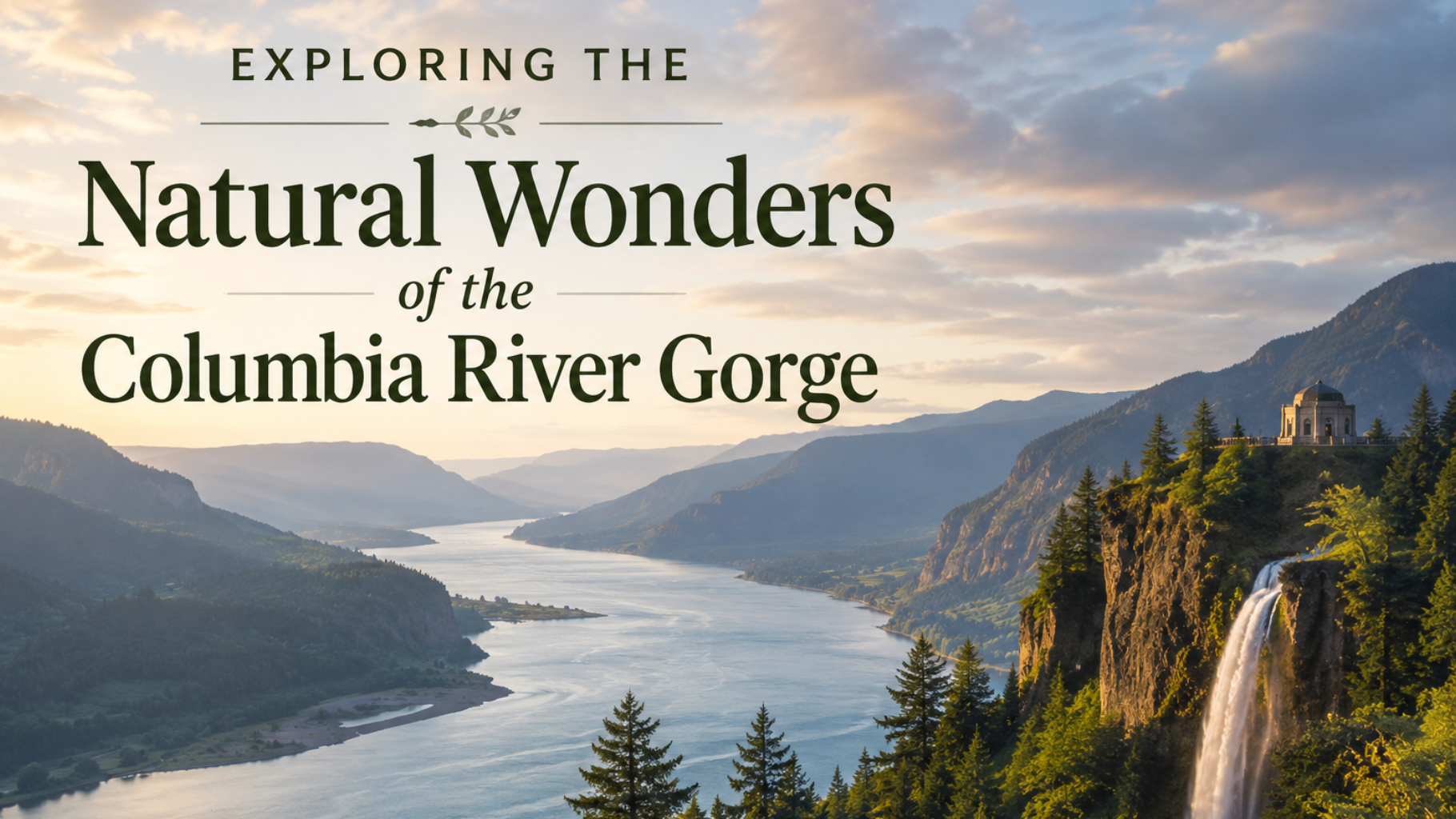
The Columbia River Gorge is a really beautiful place that grabs your attention. It has a wild charm that's hard to miss, with huge waterfalls and paths that make you feel small in a good way. If you like to hike, drive, or just look at the scenery, this area has something special. It's like a big natural park with lots to see and do, and you can easily spend a whole day or more exploring. It's all very impressive.
What to Know
- The Columbia River Gorge is known for its many waterfalls, like Multnomah Falls and Latourell Falls. Each one looks and feels different.
- There are hiking paths for everyone, from easy walks to harder climbs, all with great views of the Gorge.
- The area has many different plants and animals, making it a good place to watch birds and learn about nature.
- Driving the Historic Columbia River Highway is a popular way to see many sights, with many places to stop and take pictures.
- Besides hiking and driving, the Columbia River Gorge is a center for outdoor fun like windsurfing, kayaking, and rock climbing.
See the Amazing Waterfalls of the Columbia River Gorge
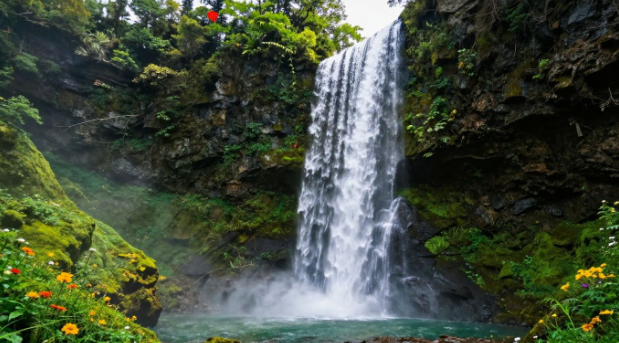
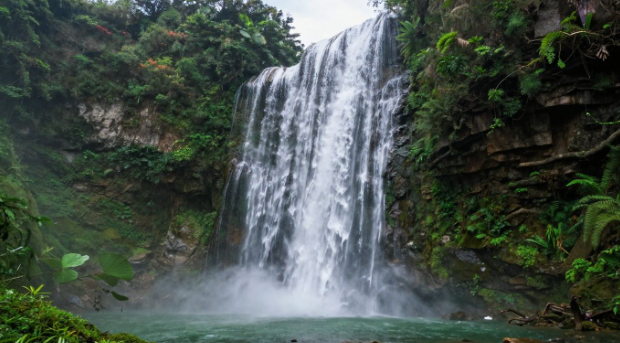
The Columbia River Gorge is famous for its amazing waterfalls. It's a place where water has cut through old rock, leaving behind beautiful falls that attract people from everywhere. You can feel the spray and hear the water – it's a very real experience.
Multnomah Falls: A Famous Natural Wonder
When you think of Gorge waterfalls, Multnomah Falls is likely the first one that comes to mind. It's the tallest in Oregon, dropping 620 feet in two parts. The lower part is easy to reach, and a path leads to Benson Bridge, a great spot to see it. Many people visit, and for good reason. Its power and beauty are incredible.
Because Multnomah Falls is so popular, it's a good idea to plan your visit, especially during busy times. Seeing this natural wonder often means dealing with crowds, but it's well worth it.
Latourell Falls: A Unique Rock Formation
Latourell Falls offers a different kind of beauty. What makes it special is the striking rock formation around it, made of dark, geometric-shaped basalt. The water falls over this dark rock, creating a dramatic look. It feels a bit wilder than some other falls, which adds to its charm. Paths let you get closer, and the whole area feels old and powerful.
Horsetail Falls: Easy to Enjoy
Horsetail Falls is a gem that's very easy to appreciate. It's right by the Historic Columbia River Highway, so you can almost walk right up to it. The water falls down like a long, thin tail, which is how it got its name. It's a perfect spot for a quick stop to enjoy the view without a long hike, making it great for families or anyone wanting a simple dose of nature's beauty. It shows that sometimes, the best sights are the easiest to reach.
Explore the Different Hiking Trails in the Columbia River Gorge
When you're in the Columbia River Gorge, hiking the trails is a must. It's the best way to truly experience the area, not just look at it from your car. The Gorge has many different paths, from easy walks to harder climbs, so there's something for almost everyone. This access encourages outdoor activities and draws visitors looking for active adventures.
Trails for All Levels
The Gorge is great because it's not just for serious hikers. You can find paths that are very easy to use, perfect for a casual walk, and others that will really challenge you. This variety is important for attracting different kinds of visitors, from families with young children to experienced hikers.
Here's a quick look at what you might find:
- Easy: Paved paths or mostly flat dirt trails, often leading to a waterfall view. These are usually short with little climbing.
- Moderate: Trails with some hills, bumpy ground, and longer distances. You'll likely get a good workout and see more varied scenery.
- Challenging: Steep climbs, rocky areas, and longer distances. These are for those who want a serious adventure and are rewarded with amazing views.
Having these choices means more people can enjoy the Gorge's beauty, which is good for local businesses that serve hikers. It also spreads out visitors, reducing crowds at the most popular places.
Beautiful Overlooks and Wide Views
Many of the trails here don't just take you through the woods; they lead you to incredibly stunning viewpoints. You'll find spots where the entire Gorge opens up before you, with the river below and mountains all around. These views are what people come for, and they encourage people to stay longer or visit again.
The vastness of the landscape from these high points is humbling. It's a powerful reminder of the natural forces that shaped this region over thousands of years.
These overlooks are great for taking pictures, but they're also places where you can just stop and take it all in. They create lasting memories that visitors talk about long after they leave, encouraging return visits and recommendations.
Connect with Nature on the Gorge Trails
Hiking in the Columbia River Gorge is more than just exercise; it's a chance to truly get away from daily stress and connect with nature. You'll hear birds singing, leaves rustling, and maybe the distant sound of a waterfall. It's an experience that many travelers seek. This kind of travel is very appealing, especially for those looking to relax and find peace. You can find a good starting point for many of these adventures by looking at hikes in the Columbia River Gorge.
These trails offer a chance to see the Gorge's different plants up close and maybe even spot some local wildlife. It's this immersion in nature that makes the Gorge so special and keeps people coming back. The desire for these kinds of real, nature-focused experiences is growing, making the Gorge a top destination for outdoor lovers and those seeking a peaceful break. You can find more local tips and activity ideas in The Artbliss Journal.
Discover the Rich Wildlife of the Columbia River Gorge
The Columbia River Gorge isn't just about dramatic cliffs and loud waterfalls; it's a living place full of life. This natural area is home to many different plants and animals, making it a great spot for anyone interested in the wild side of the Pacific Northwest. Understanding this variety helps us appreciate the delicate balance of this unique environment and why it's important to protect it.
Birdwatching Spots
The Gorge is a top place for birdwatchers, with different environments that attract many kinds of birds. From tall fir trees to open riverbanks, you'll find birds everywhere. Look for birds of prey flying high, small songbirds in the bushes, and water birds along the river.
Here are some birds you might see:
- Bald Eagles: Often seen near the river, especially when salmon are running.
- Ospreys: Another bird that eats fish, often seen hunting over the Columbia.
- Steller's Jays: These bright blue birds are common in the wooded areas.
- Various woodpeckers: Look for them on older trees.
- Waterfowl: Ducks and geese are common, especially in quiet parts of the water.
These sightings show the Gorge's importance as a path for migrating birds and a home for many birds all year. The varied land provides everything they need, from places to nest to food.
Identifying Plants and Animals
Besides birds, the Gorge has a rich variety of plant life and other animals. The change from the wet west side to the drier east side creates different natural areas, each with its own creatures. Identifying these species can make your visit even more enjoyable.
Here are some common things you might find:
- Wildflowers: In spring and summer, fields and hillsides are covered in color with flowers like camas, lupine, and different kinds of paintbrush.
- Trees: Common trees include Douglas fir, western hemlock, and bigleaf maple, with Oregon white oak in drier spots.
- Mammals: Though often hard to see, deer, elk, and smaller animals like squirrels and chipmunks are present. You might even see a black bear if you're very lucky (and careful).
- Insects: Butterflies and other insects play an important role in pollination and the food chain.
The Gorge's unique geological history, including its volcanic past and the powerful ancient floods, has shaped the soil and climate. This, in turn, determines which plants can grow, creating the diverse environments that support so many different kinds of wildlife. It's a direct link between how the land was formed and the life it holds.
Protecting Wildlife in the Gorge
Keeping the wildlife of the Columbia River Gorge safe is a shared job. Many groups and agencies work to protect natural homes and manage the effects of human activity. These efforts are important for keeping the area healthy for the future. You can learn more about conservation efforts in the Gorge and how to be a responsible visitor. Supporting these efforts helps make sure the Gorge stays a safe place for wildlife and a beautiful place for people to explore.
Travel Through the Columbia River Gorge by Scenic Drive
Driving through the Columbia River Gorge is a great way to enjoy the scenery without needing to hike. It's a trip that lets you really see the size of this natural wonder at your own speed. The Historic Columbia River Highway is your main route for this adventure, a road made specifically for sightseeing.
Historic Columbia River Highway
This isn't just any road; it's a piece of history itself, built in the early 1900s to show off the Gorge's beauty. It winds and curves, often running next to the river, with many places to pull over and just look. You'll find yourself stopping more than you might think. It's different from just driving fast on I-84, offering a more personal connection with the landscape. Many parts are now separate from the main highway, giving you a chance to slow down and enjoy the drive.
Main Viewpoints and Stops
Along the Historic Highway, you'll find many marked viewpoints and pull-offs. These aren't just random parking spots; they're placed to give you the best views of waterfalls, the river, and the cliffs. Some popular stops include:
- Vista House at Crown Point: Offers wide views and some history.
- The various waterfall viewpoints: Many falls are right by the road or a short walk away.
- Overlooks showing the vastness of the Gorge.
These spots are perfect for a quick photo or just a moment to enjoy the fresh air. They meet the need for easy-to-access scenic experiences, allowing everyone to enjoy the Gorge's grandeur.
Driving in Different Seasons
You can drive here all year, but each season has its own beauty and challenges. Spring brings green plants and full waterfalls, though some higher paths might still be wet. Summer is busy, so expect more people at viewpoints and possible traffic delays. Fall colors are beautiful, but be aware of shorter daylight hours. Winter can bring ice and snow, especially at higher spots, which might close parts of the Historic Highway.
Always check road conditions before you go, especially if you're planning a trip during the spring or fall. This kind of planning helps manage what to expect and ensures a smoother trip, meeting the demand for reliable travel information.
Experiencing the Gorge by car is about more than just getting from one place to another. It's about the journey itself, the unexpected views, and the feeling of discovery around every corner. It’s a chance to connect with nature in a way that feels both grand and personal.
Visit the Charming Towns of the Columbia River Gorge
The Columbia River Gorge is more than waterfalls and hiking trails. The region is also home to several unique towns that offer local restaurants, shops, museums, outdoor recreation, and access to some of the Gorge's most popular attractions. Whether you're planning a weekend getaway or a longer Pacific Northwest road trip, these communities provide excellent places to stay, explore, and experience the culture of the Gorge.
Stevenson, Washington
Located in the heart of the Columbia River Gorge, Stevenson serves as a gateway to outdoor adventure on the Washington side of the river. Visitors can enjoy waterfront views, local restaurants, hiking trails, and easy access to destinations such as Beacon Rock State Park and the surrounding forests. Stevenson is also home to the historic Columbia Gorge Interpretive Center, making it a great place to learn about the area's natural and cultural history.
Hood River, Oregon
Hood River is one of the most popular destinations in the Gorge and is known worldwide for windsurfing and kitesurfing. The town combines outdoor recreation with a vibrant downtown filled with breweries, coffee shops, restaurants, and local boutiques. Visitors can spend the day exploring waterfalls and scenic viewpoints before returning to Hood River for dining and entertainment.
White Salmon, Washington
Situated across the river from Hood River, White Salmon offers a quieter atmosphere while still providing easy access to many of the Gorge's best attractions. The community is known for its outdoor recreation opportunities, including hiking, mountain biking, rafting, and river sports. Its elevated location also provides impressive views of the Columbia River and surrounding mountains.
Cascade Locks, Oregon
Cascade Locks is a small town with a rich connection to the Columbia River. It serves as an important stop along the Historic Columbia River Highway and the Pacific Crest Trail. Visitors can learn about the region's transportation history, explore nearby waterfalls, and enjoy riverfront parks and scenic viewpoints.
The Dalles, Oregon
Located on the eastern side of the Gorge, The Dalles showcases a different landscape characterized by rolling hills, open vistas, and a drier climate. The city offers museums, historic sites, wineries, and access to some of the region's best windsurfing and outdoor recreation opportunities. It is also an excellent destination for travelers interested in the history of the Columbia River and the Oregon Trail.
Exploring the Gorge Through Its Communities
Each town within the Columbia River Gorge offers a unique perspective on the region's natural beauty and outdoor lifestyle. From the waterfalls near Cascade Locks and Stevenson to the wind sports culture of Hood River and The Dalles, these communities help create the diverse experiences that make the Columbia River Gorge one of the Pacific Northwest's most remarkable destinations.
Outdoor Fun in the Columbia River Gorge
Best Places for Windsurfing and Kitesurfing
The Columbia River Gorge is known worldwide for wind sports, and for good reason. The steady, strong winds blowing through the canyon create perfect conditions for both windsurfing and kitesurfing. Places like Hood River and The Dalles are famous for their reliable winds, attracting fans from everywhere. The Gorge's unique shape acts like a giant wind tunnel, making it a top spot for these exciting activities.
Whether you're an expert or want to learn, the Gorge offers an exciting and memorable experience on the water. The demand for these activities brings many tourists, especially during windy seasons, affecting local businesses and creating a lively community around the sport.
Kayaking and Paddleboarding Trips
Besides sports with high winds, the Columbia River Gorge offers great chances for kayaking and paddleboarding. The river has calmer areas perfect for a relaxed paddle, letting you enjoy the amazing scenery at your own speed. You can explore hidden spots, glide past tall cliffs, and see the waterfalls from a unique angle.
Many companies offer rentals and guided trips for all skill levels. It's a calmer way to experience the river's beauty, appealing to more visitors looking for a peaceful yet active outdoor experience. This type of activity supports tourism during warmer months, offering a different kind of visitor experience.
Rock Climbing and Bouldering
For those who prefer climbing on rock, the Gorge also has some excellent rock climbing and bouldering spots. While not as famous as its wind sports, the volcanic rock formations offer different climbing routes. Areas near the river and in the nearby hills provide options for both beginners and experienced climbers. It's a chance to test your strength and skill in a beautiful natural setting. This specific activity attracts dedicated climbers, further adding to the area's appeal as a diverse outdoor adventure destination. The demand here is often driven by climbing groups looking for unique rock features.
The Gorge's varied land and steady natural forces create a playground for outdoor lovers. From the excitement of wind sports to the peace of paddling and the challenge of climbing, there's an activity for almost any adventurous person. This variety is key to keeping tourism going all year and attracting many different kinds of visitors, each looking for their own special connection with this amazing landscape.
Understand the Geology of the Columbia River Gorge
The Columbia River Gorge isn't just pretty; it's a geological wonder shaped by some of the most powerful forces on Earth. Its dramatic cliffs, tall waterfalls, and unique rock shapes tell a story millions of years old. Understanding this history helps us appreciate the landscape even more.
Volcanic Beginnings and How it Formed
Long before the river flowed here, this area had a lot of volcanic activity. Huge eruptions sent out lava that cooled into thick layers of basalt rock. These old lava flows are the base of the Gorge, creating the structure we see today. You can still see signs of this fiery past in the layered rock faces all around.
The Part Played by Glacial Floods
While volcanoes built the land, huge floods dramatically changed it. During the last Ice Age, large ice dams on lakes made of glaciers, especially Lake Missoula, would break apart. The resulting massive floods, called the Missoula Floods, were huge flows of water and debris that carved out the deep canyon we now call the Columbia River Gorge. These floods were so strong they washed away soil and rock, leaving the exposed basalt and creating the steep walls and wide river channel.
Unique Rock Formations and Features
The mix of volcanic activity and powerful floods has left the Gorge with some truly amazing geological features. You'll find everything from basalt that cooled into distinct hexagonal columns, to large landslides that have changed the land over time. Beacon Rock, for example, is what's left of an old volcano, showing the region's fiery start Beacon Rock State Park.
Here are some of the main geological things you can see:
- Basalt Layers: Layers of old lava that form the ground of the Gorge.
- Columnar Basalt: Distinctive rock shapes made by cooling lava.
- Rock Piles: Piles of rock pieces at the bottom of cliffs, often from falling rocks.
- River Terraces: Old flat areas by the river left behind as the river level dropped over time.
These features aren't just interesting to look at; they show the huge geological forces that shaped the Pacific Northwest. The Gorge is like a living geology lesson, always reminding us of how dynamic our planet is. Exploring the Columbia River Gorge means stepping into a landscape shaped by fire and ice.
More Than Just a View
So, that's a quick look at some of the amazing places in the Columbia River Gorge. It's a place that really stays with you. Whether you're looking for waterfalls, hiking in forests, relaxing in a cozy cabin, or simply enjoying the big views, there's something special here. It makes you appreciate nature and reminds you how cool it can be. It's definitely worth planning a trip if you haven't already.