Forest Bathing in the Columbia River Gorge
Forest Bathing in the Columbia River Gorge: A Beginner's Guide
By: Menandro Bacalangco Jr. |
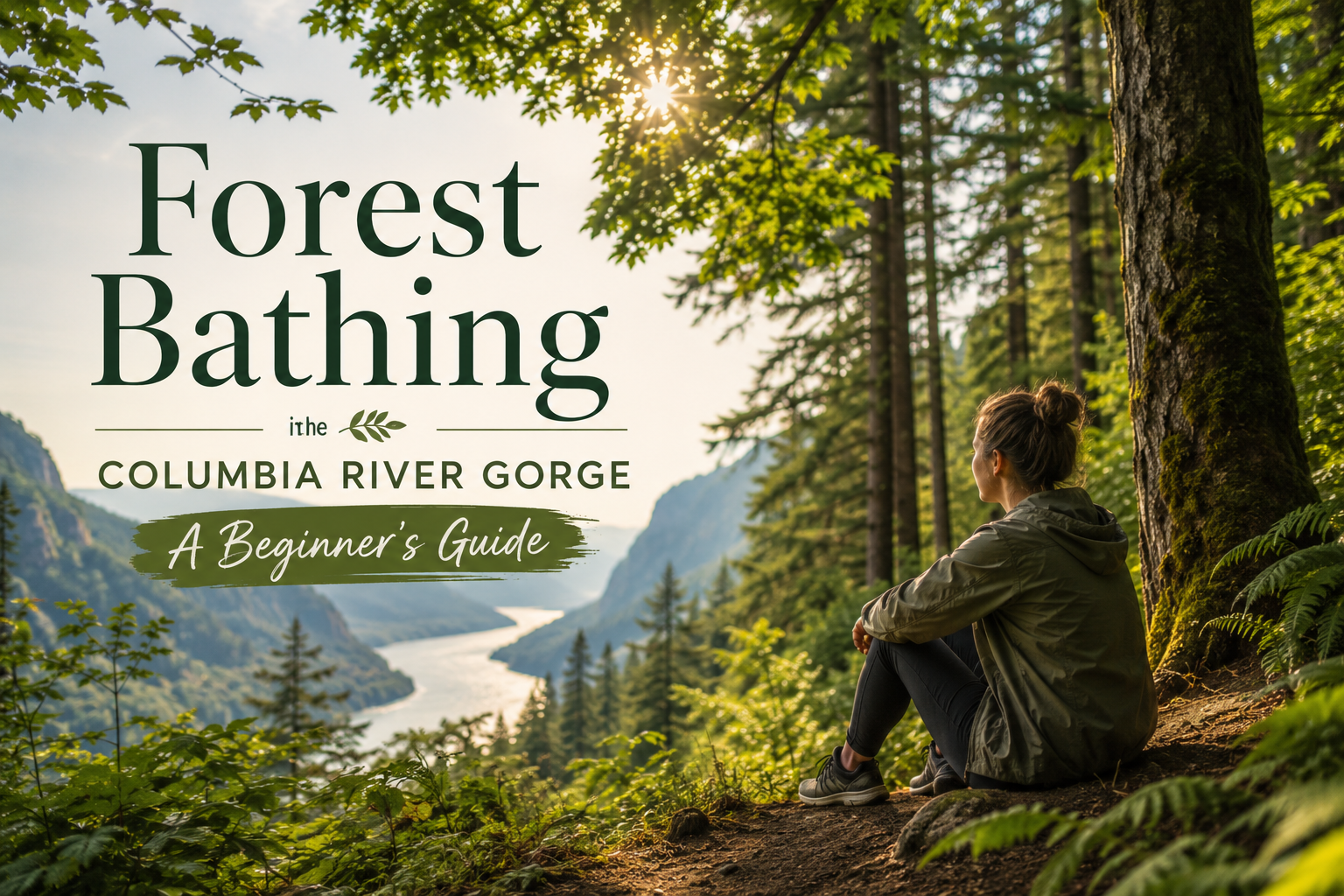
Forest bathing is a unique way of immersing yourself in nature, going beyond a simple hike or walk. Unlike most outdoor activities that focus on distance or exercise, forest bathing invites you to move slowly, notice the world around you, and be fully present in the natural environment. Originally developed in Japan and called shinrin-yoku, the practice encourages people to step away from daily stresses and find peace among trees, plants, and wildlife.
Spending quiet, mindful time in the forest has been shown to reduce stress levels, boost the immune system, and support mental well-being. The natural sights, sounds, and scents of the woods create a calming atmosphere that refreshes both mind and body. More and more people around the world are turning to forest bathing as a simple, accessible way to recharge, reconnect, and feel healthier.
Here are the main things to remember when planning your forest bathing trip to the
Columbia River Gorge. The
Artbliss Hotel in Stevenson, WA, is a great place to stay if you want to be close to the forest bathing trails.
Key Takeaways
- Forest bathing is about calmly connecting with nature, not just hiking.
- The Columbia River Gorge is a great place to try, with different forests, waterfalls, and views.
- Plan your trip by checking the best seasons, packing carefully, and choosing if you want to go alone or with a guide.
- Try simple things like paying attention to your breathing and using all your senses to enjoy your visit.
- Always follow Leave No Trace rules to help keep the Gorge clean and beautiful for everyone.
Understanding Forest Bathing in the Columbia River Gorge
Origins and Philosophy of Forest Bathing
Forest bathing, or shinrin-yoku in Japanese, is not about hiking quickly or exercising hard. It started in Japan in the 1980s, when people wanted to relax after busy days at work. The main point is to spend quiet, thoughtful time in nature to feel better.
You just need to be present in the forest and use your senses to notice what's around you. It's about slowing down, breathing deeply, and letting the forest make you feel calm. It's a gentle way to help your mind and body feel better, without needing to do anything difficult. Forest bathing is popular now in many countries because it helps people relax. The Columbia River Gorge is a beautiful place for it. Learn more about how this helps people here.
Why the Columbia River Gorge Is Ideal
The Columbia River Gorge is a wonderful spot for forest bathing. There are many types of landscapes, like tall old forests, leafy green canyons, and famous waterfalls. The air is fresh and the sound of water is calming. You can find busy or very quiet places, depending on what you like.
Whether you want to walk quietly among big trees or stand at a lookout and take in the view, you have many choices in the Gorge. The scenery here makes it easy to slow down and relax. For more information about nature therapy, look here.
Health and Wellness Benefits
What can you expect from forest bathing? First, it helps you feel calmer. Studies say that being in nature can lower stress hormones and help you feel happier. Your blood pressure might go down and your mood might improve. Breathing the air among the trees and listening to nature can calm your body and mind. It can help you focus and feel more grounded. Spending time in a peaceful forest can make you feel connected and balanced.
Here are some possible benefits:
- Less stress and anxiety
- Better mood and more happiness
- Lower blood pressure and slower heart rate
- Clearer thinking and focus
- Stronger immune system (trees give off helpful natural oils)
Slowing down and using your senses in nature can truly help your mind and body. This is not about pushing yourself; it’s about letting the forest help you relax and feel restored. It’s easy for anyone to try and brings real benefits to your health.
Planning Your Forest Bathing Experience
Best Seasons for Immersion
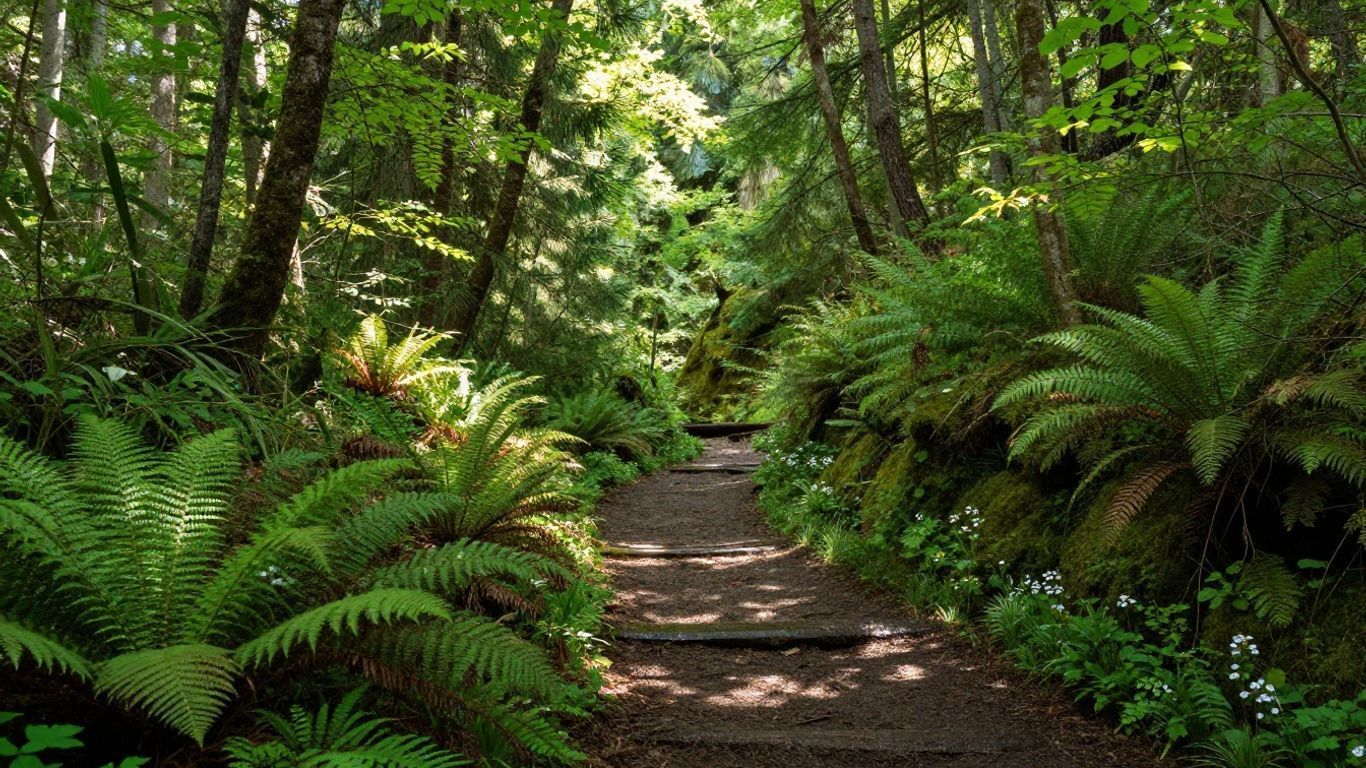
When you want to try forest bathing in the Columbia River Gorge, the time of year matters. Spring brings wildflowers and fresh air. It’s a gentle time to start, although some trails might still have snow. Summer is lively, with long days for exploring. Bring water and sun protection, as it can get hot. Fall is colorful, with bright leaves and fewer visitors, making it peaceful. Winter is quiet and sometimes snowy. It can be very calm, but you must dress warm and watch for icy paths.
Essential Gear and Preparation Tips
Getting ready is simple, but a few things help. Wear sturdy, comfortable shoes if you plan to walk. Dress in layers so you can change if the weather does. Bring a small backpack for water, a snack, and maybe a notebook if you want to write or draw. Insect repellent is useful in warm months. Always let someone know where you’re going, since cell phones do not work everywhere in the Gorge.
Choosing Guided Versus Solo Experiences
You can go alone or with a guide. A guide is helpful if you’re new—they know the area and can show you ways to enjoy the forest. They lead small groups and share tips. Going solo is nice if you want to move at your own speed and spend time with your thoughts. Either way is good. There are also guides for other activities and fun things to do in summer.
The Columbia River Gorge lets you really get away from your busy life. You don’t have to hike hard; you just need to slow down and let the forest help you feel better.
Discovering Prime Forest Bathing Locations
When you want to enjoy the peace of the Columbia River Gorge, picking the right spot matters. Find a place that feels calm for you—a spot where the trees and air make you feel relaxed. The Gorge has many beautiful and quiet places for forest bathing.
Lush Waterfall Trails for Reflection
Waterfalls are great for quiet thinking. The sound of water can help clear your mind. Trails to waterfalls go through thick, green forests and make you feel part of nature. Try visiting places like Latourell Falls or Wahkeena Falls for this calming experience.
- Wahkeena Falls: A pretty waterfall with different layers. The trail is a loop and is not as busy as other spots.
- Upper Latourell Falls: This waterfall looks special with its rock columns and clear pool. The trail is usually quieter too.
- Shepperd's Dell: A quiet place with smaller falls and a peaceful creek walk.
These waterfall trails give you a nice mix of green trees, the sound of water, and peaceful air. They are good places to relax and focus your mind on nature.
Old-Growth Forest Groves
Walking among old, tall trees feels grounding. These forests are quiet, with sunlight coming through leaves and muffled sounds. Standing among these trees can make you feel small, but also safe and connected with nature. Look for Douglas fir and Western red cedar trees in the Gorge. These places are usually less crowded and need a short walk to reach.
Serene Viewpoints Along the Gorge
Sometimes a nice view over the Gorge is just as relaxing as walking in the trees. Some viewpoints let you look over the river or hills and take in all the beauty. Vista House at Crown Point is popular, but there are many quieter places for a calm moment. Try exploring lesser-known trails or quiet roadside stops. Pick one that feels peaceful to you. Learn more about unique areas of the Columbia River Gorge.
Wellness and Mindfulness Techniques to Enhance Forest Bathing
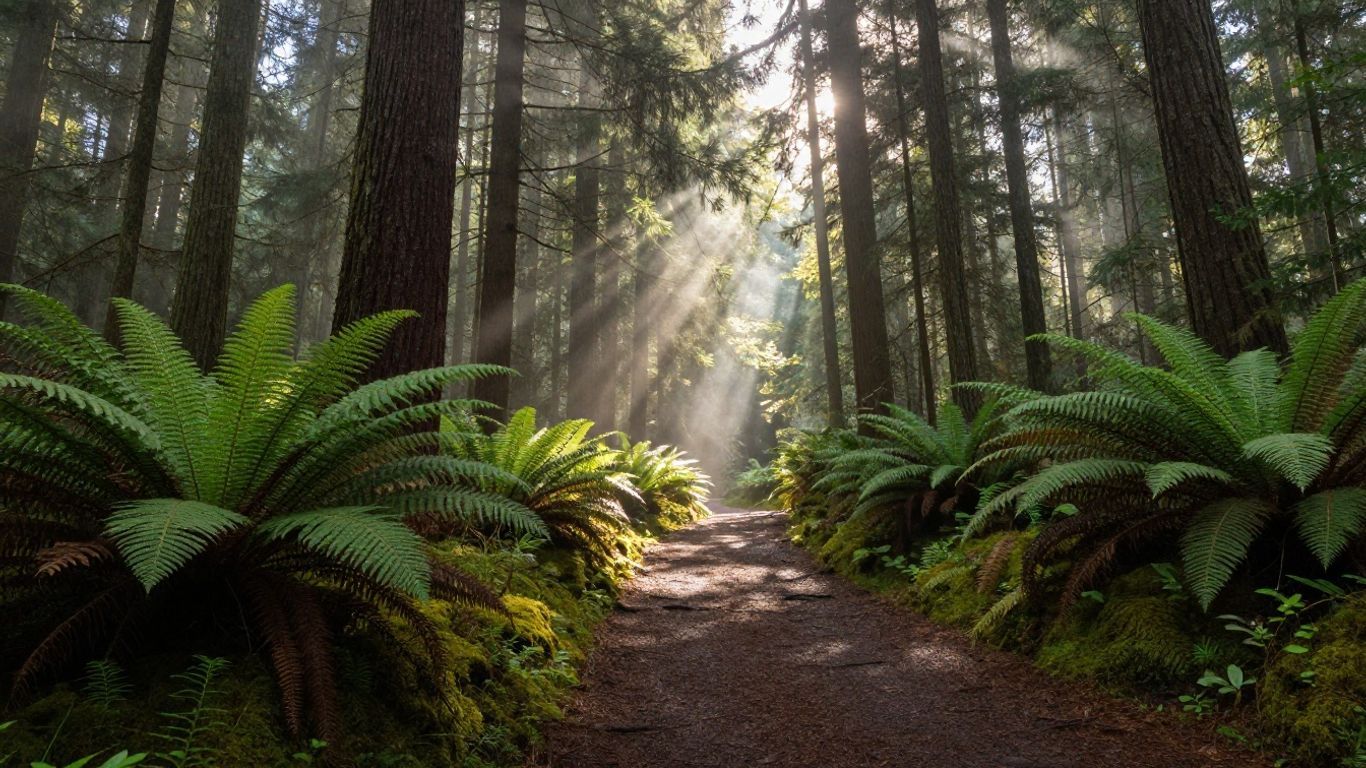
The Columbia River Gorge is a good place to slow down, and that’s what forest bathing is about. Using wellness and mindfulness tricks helps you get more from your visit to the woods, even if you haven’t tried them before.
Breathwork and Calm Walking Practices
Breathing deeply helps you relax. Even a few deep breaths can change how you feel. Before you start, try these steps:
- Stand still with your feet on the ground. Take three slow, deep breaths, letting your belly rise.
- Breathe out longer than you breathe in; this helps you calm down.
- When walking, try to match your steps to your breath—inhale for four steps, exhale for six steps.
This helps you relax and leave stress behind. Guided walks are also available if you want more ideas; see more about these here.
Engaging the Senses Mindfully
Forest bathing means noticing your senses. Try this:
- Close your eyes and listen—what sounds can you hear?
- Touch what’s around you: bark, leaves, or wet moss.
- Look for the brightest colors or the way the light and shadows move.
- If safe, notice the smell of dirt or a flower.
Focusing on your senses keeps you present. People often feel much calmer after doing this, even if their minds wander at first.
Incorporating Meditation in Nature
Meditation can be sitting, standing, or even walking slowly. In the Gorge, you can:
- Pick a calm spot with a nice view.
- Mute your phone or leave it behind.
- Watch your surroundings—birds, leaves, clouds. Try for five to ten minutes.
If your mind drifts, gently bring it back to what you see or your breathing. Even short moments of quiet can help.
After a long week, sitting for five minutes by a creek can feel like a good night’s sleep.
Some nature retreats mix meditation, yoga, or Tai Chi with forest bathing—see ideas for these here.
Table: Mindfulness Techniques for Forest Bathing
| Technique | What To Do | How Long? |
|---|---|---|
| Breathwork | Stand still, take slow deep breaths | 3–5 minutes |
| Senses engagement | Notice sounds, textures, smells | 5–10 minutes |
| Nature meditation | Watch surroundings, breathe slowly | 5–10 minutes |
These ideas make forest bathing more than just a walk. The more you try them, the easier it is to relax and enjoy the forest.
Eco-Friendly and Sustainable Practices in the Gorge
Being in the Columbia River Gorge feels great, but we also need to take care of the land. Caring for the environment is about everyone doing small things to help. When visitors help protect the forests and rivers, the area stays beautiful for all.
Leave No Trace Principles
- Stay on marked trails, even if a shortcut looks easier.
- Take everything out that you bring in—even wrappers and tissues.
- Watch wildlife from a distance—don’t feed them or get too close.
- Keep groups small and talk quietly so others can enjoy the sounds.
| Principle | Simple Action |
|---|---|
| Plan Ahead & Prepare | Check park rules before visiting |
| Dispose of Waste | Carry out all trash |
| Leave What You Find | Don’t take rocks or pick flowers |
| Minimize Fire Impact | If allowed, only use fire rings for campfires |
Try to leave the Gorge the same or cleaner than you found it so the next visitor can enjoy it too.
Supporting Local Conservation Efforts
Many local groups work hard to protect the Gorge. You can help by joining activities like river cleanups or planting trees.
- Help out at a trail repair day.
- Volunteer for salmon restoration projects.
- Donate to local nature charities.
Choosing Responsible Tour Operators
If you join a group, pick guides that use the correct trails and support nature. Ask about their eco-friendly actions—some work with local farms, use reusable plates, or teach visitors about nature. For examples, see some green businesses in Oregon.
- Pick companies who use approved trails or private lands with permission.
- Ask what they do to help the local area.
- Choose guides who care about their effect on nature.
The best guides care about nature and make your experience both fun and respectful of the forest.
Pairing Forest Bathing With Local Spa and Wellness Offerings
After a peaceful trip in the forest, you may want more relaxation—a spa or wellness retreat is a good idea. Combining time in nature with massages or hot springs helps you feel refreshed even longer.
Nearby Spa Retreats for Relaxation
The Gorge has nice places to relax with treatments that use local ingredients and nature themes. Some spas now offer forest-inspired therapies too. It’s a way to extend your sense of calm.
Hot Springs and Hydrotherapy Options
If you want a different kind of relaxation, try soaking in hot springs. The warm water is good for tired muscles and helps you unwind after being in the cool forest air.
Combining Yoga and Forest Bathing
Many people enjoy doing gentle yoga before or after forest bathing. Try starting your day with some basic stretches outdoors, then take a peaceful walk in nature. Or do some relaxed yoga after your walk to help your body stretch. This helps your mind and body work together. Some places even offer package deals with yoga and forest walks. Learn more about these wellness resorts.
People are looking for trips that help them feel good. Doing things like forest walks, yoga, and spa visits on the same trip helps you relax deeply and take care of your health in a simple way.
Travel Tips for First-Time Visitors to the Columbia River Gorge
Thinking about going to the Columbia River Gorge for forest bathing? Great choice! With a few simple tips, you’ll be ready to enjoy your time and relax.
Navigating the Gorge’s Access Points
Traveling around the Gorge can be tricky if it’s your first time. The main road, I-84, is fast and takes you to most places. For better views, try the Historic Columbia River Highway, which is slower but beautiful and goes to different trailheads.
Check for road closures before going because some areas close for weather or repairs. Parking is crowded at busy places like Multnomah Falls, especially on weekends. Go early or later in the day to find a space. You can also use day trip guides to plan your visit.
Respecting Local Communities and Wildlife
Remember, the Gorge is home to people and animals. Stay on the trails and talk quietly. Don’t feed animals, even if they come close—human food is bad for them. Pack out all trash, even food scraps. These simple actions help keep the Gorge natural for everyone.
Finding Accommodations With Wellness Amenities
After a day in the fresh air, you’ll want a restful place to stay. Many hotels and cabins in the area now offer things like nature walks, yoga spaces, or healthy food options. Some even have special packages for visitors who want to relax and feel good. It’s worth checking for places that fit your needs and help you keep that peaceful feeling.
Conclusion
Forest bathing in the Columbia River Gorge is an easy way to slow down and feel better. Whether you’re used to being outdoors or just starting, the Gorge offers a wonderful place for it. Be gentle with nature, enjoy the calm, and let the forest help you feel your best. After your rejuvenating forest bathing experience, consider exploring the many things to do in Stevenson, WA, including its charming local attractions and hidden gems.
From scenic viewpoints and outdoor adventures to unique shops and local dining spots, these lesser-known treasures can help create a well-rounded and memorable Columbia River Gorge getaway.
Frequently Asked Questions
What exactly is forest bathing?
Forest bathing, or 'Shinrin-yoku,' means spending quiet, careful time in a forest while using your senses. You don't exercise hard or rush—just walk slowly and pay attention to the sights, sounds, and smells around you.
Why is the Columbia River Gorge a good place for this?
The Gorge has lots of different forests, old trees, green ferns, moss, and pretty waterfalls. There are many quiet spots with great views where you can sit and enjoy nature peacefully.
Do I need special gear for forest bathing?
No special equipment is needed. Just wear comfy walking shoes and dress in layers for the weather. Bring water and maybe a snack. A notebook for thoughts or sketches is extra, not required.
When is the best time to go forest bathing in the Gorge?
You can enjoy forest bathing any time of year. Spring is fresh and green, summer is lively, fall has colorful leaves, and winter is very quiet if there’s snow. Just wear the right clothes for the weather.
Should I go alone or with a guide?
Either way works! Going alone lets you move at your own speed. A guide is nice if you’re new or want help. A guide can show you peaceful places and teach you how to relax. It’s up to you.
How can I be respectful of the environment while forest bathing?
Follow the 'Leave No Trace' rules: stay on trails, don’t pick plants, take your trash out, and keep noise low. This helps keep the forest healthy and beautiful for everyone.