
Where to Stay in the Columbia River Gorge From Portland
Where to Stay in the Columbia River Gorge From Portland: A Local Area Guide
By: Menandro Bacalangco Jr. | October 28, 2026
Where to Stay in the Columbia River Gorge From Portland: A Local Guide
The Columbia River Gorge offers several distinct overnight experiences within reach of Portland. You can choose a small-town cabin, a larger resort, or a central hotel with restaurants nearby. The best base depends on your planned activities, how much driving you want to do, and what you want your evenings to feel like.
For a first visit, two nights usually work better than a rushed overnight trip. Spend one full day exploring, then leave time for breakfast, a short walk, and a relaxed departure. A scenic stay should give you time to enjoy the accommodation as well as the attractions.
Where to Stay Along the Columbia River Gorge
Choose your base around three priorities:
- Walkable dining if you want easy evenings.
- Convenient driving routes if hiking is your main focus.
- Comfortable indoor and outdoor spaces if relaxation comes first.
The Columbia River Gorge National Scenic Area spans a broad corridor, so a single address will not put every attraction close by. Map your two or three must-do stops before making a reservation.
Stevenson: A Relaxed Columbia River Gorge Base
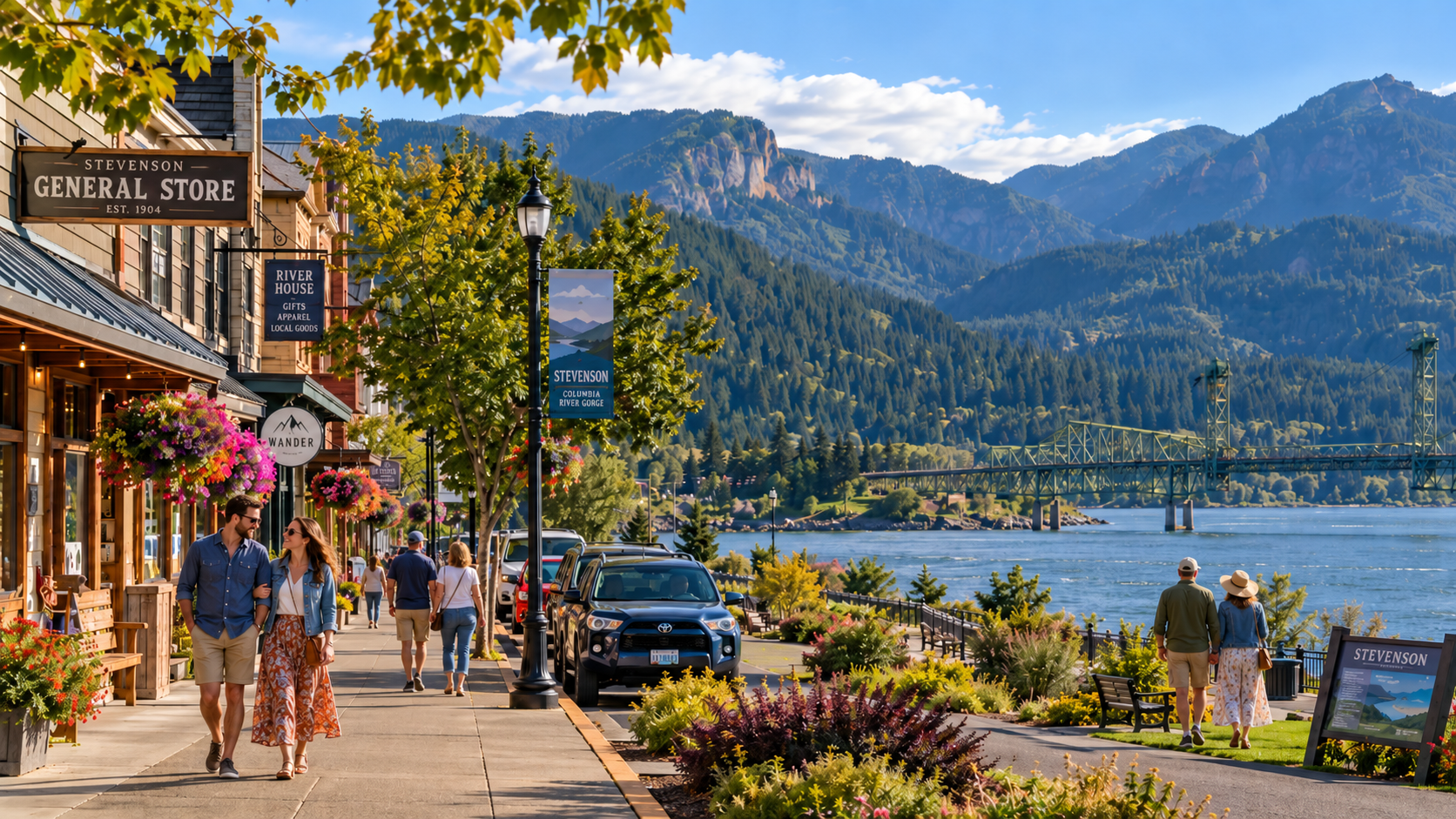
For a quieter escape on the Washington side, consider a compact town where you can return from an outing and walk to dinner. This setting suits couples and travelers who want cozy accommodations without spending the entire weekend at a large resort.
The appeal is the pace: coffee before exploring, a walk beside the Columbia River afterward, and an evening that does not require another long drive. Local dining and waterfront access can make the time between major outings feel like part of the vacation.
Boutique Cabins Close to Downtown
The Return Artbliss Hotel offers design-focused A-frame cabins near local cafés, restaurants, and shops. Select accommodations have mountain and Columbia River views, while a shared deck with a gas fire pit provides space to unwind.
For a Columbia River Gorge weekend, this combination of a distinctive property and nearby dining is especially appealing. Compare the individual cabin descriptions before booking, since layouts and outlooks can differ. Choose the unit that fits your preferred sleeping arrangement, privacy, and downtime.
A Resort Setting With Skamania Lodge
Skamania Lodge offers a larger, wooded resort setting. It is worth comparing with a boutique property when you expect to spend a substantial part of the trip at your accommodation.
Review the facilities included with your reservation and the full price. A resort, a country inn, and an independent cabin can all suit a weekend away, but they provide different experiences. Let your actual plans guide the choice.
Hood River: Downtown Energy and Waterfront Access
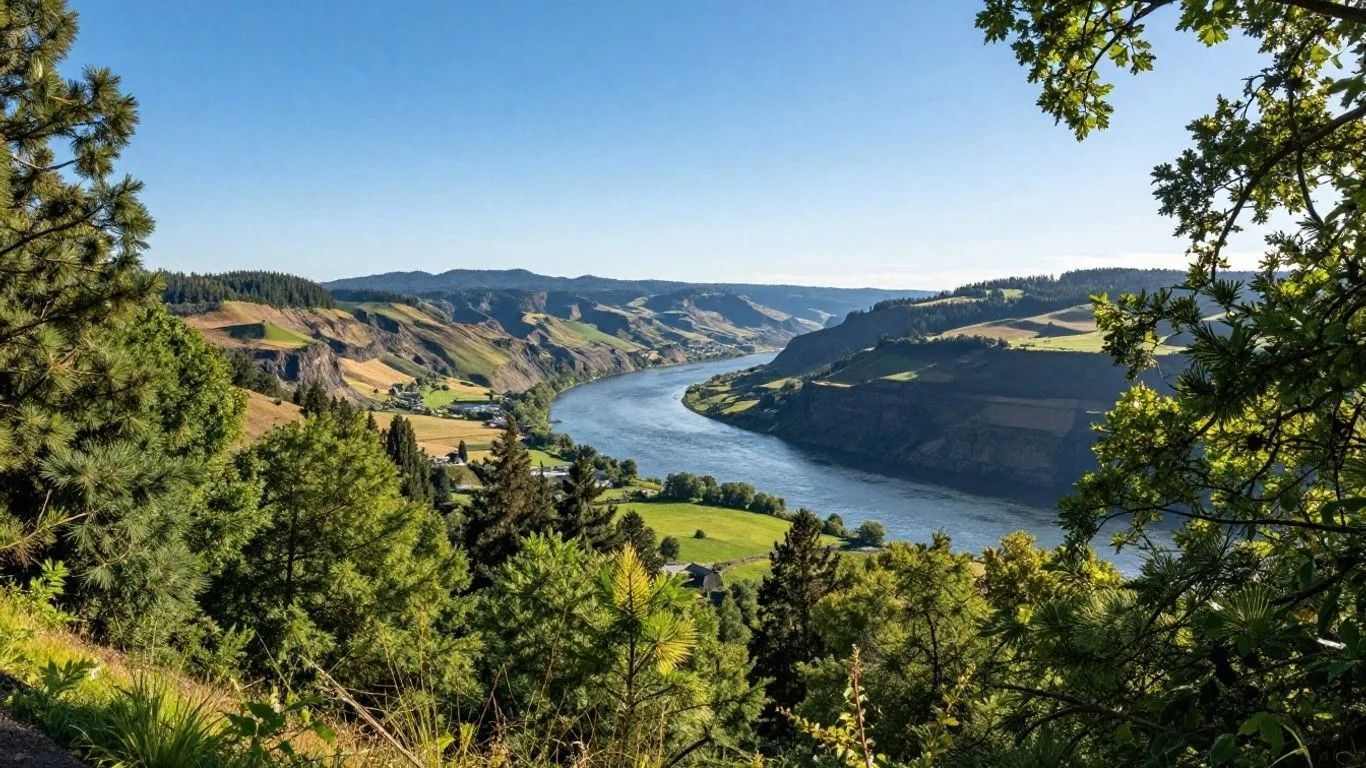
Hood River suits visitors who want shops, cafés, and restaurants to play a bigger role in the trip. Its downtown offers an active commercial district, while the waterfront provides a different setting for outdoor time.
For a Columbia River Gorge getaway built around both exploring and dining, location within town matters. A central property can simplify evenings; a waterfront address may better suit morning walks. Compare the walking route between your accommodation and the places you expect to visit.
Downtown or Waterfront?
Choose downtown Hood River when breakfast, shopping, and dinner on foot are priorities. Before reserving, check parking, accessibility, and potential street noise.
Near the water, look closely at access to public paths and recreation spaces. A river view does not automatically mean direct shoreline access. Review the map and property description rather than relying on a broad location label.
This distinction is useful when comparing hotels: the best choice is the one that fits your daily routine, even if another property appears closer on a regional map.
The Western Columbia River Gorge: Shorter Getaways
The western end makes sense if you are leaving Portland after work or have only one night available. Troutdale and nearby communities let you settle in without continuing as far east on arrival day.
Choose this area when your plans focus on western viewpoints and waterfall stops. For a short Columbia River Gorge escape, reducing arrival-day driving can leave more time for an enjoyable evening.
The tradeoff is the setting. Check whether your accommodation sits near a busy road, within a commercial district, or in a more tucked-away location.
Historic Columbia River Highway Stops
The Historic Columbia River Highway can be part of the experience rather than simply a connection between destinations. Vista House at Crown Point is a familiar viewpoint to consider when access and conditions allow.
Plan one scenic stop before check-in instead of filling the afternoon with several detours. Leave additional falls and longer walks for the next morning, when you have more time.
Cascade Locks: A Central Base for Exploring
Cascade Locks is worth considering for an itinerary focused on the central corridor. Its location near the Bridge of the Gods makes it useful when your planned stops involve both banks.
For any Columbia River Gorge booking, map the actual driving route. Bridge crossings, road access, and the position of trailheads can matter more than straight-line distance.
This approach suits travelers who spend most of the day outdoors and want a practical base afterward. Check nearby dinner options and opening hours before committing.
White Salmon and the North Bank
White Salmon is another option on the Washington side, especially when your preferred rental or planned activities are nearby. An in-town stay and a rural cabin can produce very different weekends.
Before booking, check the distance to groceries, restaurants, and your first activity. If most of your plans are around Hood River, account for the crossing in your daily schedule.
Compare parking, outdoor space, access instructions, and cancellation terms. These details often have more influence on your stay than a general description of the town.
Choosing a Columbia River Gorge Hotel or Cabin
Start with how you intend to use the accommodation. A couple planning slow mornings may value a comfortable sitting area. A group planning early hikes may prioritize sleeping arrangements and easy departures.
A Gorge hotel can simplify a short trip, while a cabin may offer more privacy. Compare each property's actual features rather than assuming a particular accommodation style includes everything you need.
Walkability and Daily Driving
A walkable center makes evenings easier, but most outdoor attractions remain spread out. Artbliss combines access to nearby businesses with a practical base for driving to regional outings.
For a Columbia River Gorge itinerary, group activities geographically. Visit nearby falls on the same day instead of repeatedly crossing the region. If you plan to bike, confirm suitable routes and equipment storage in advance.
A guided tour may suit travelers who prefer a structured outing. Check pickup arrangements carefully; tours do not necessarily collect guests from every accommodation.
Views, Comfort, and Total Cost
Read the description for the exact unit you are reserving. Some rooms may have different views, entrances, or layouts from those shown in a property's main photos.
Before comparing prices, check:
- Parking charges and availability.
- Cleaning fees or resort charges.
- Pet restrictions and additional costs.
- Minimum-night requirements.
- Kitchen facilities and accessibility.
- Cancellation deadlines.
For a Columbia Gorge break, food and daily driving also affect the budget. A convenient location may justify a higher nightly rate if it makes your planned weekend easier.
Planning Waterfalls and Scenic Stops
Multnomah Falls is a natural first-visit highlight, but it should not become the starting point for an overpacked day. Pair one main waterfall outing with a shorter optional stop.
Check the official reservation page for Multnomah Falls before departure. Entry arrangements can depend on the season, arrival method, and parking location, and a reservation does not guarantee parking.
Leave room for weather changes and delays. If your travel plans extend east toward The Dalles, treat that as a deliberate addition instead of squeezing it into an already full afternoon.
A Comfortable Two-Night Itinerary
Day one: Leave Portland, make one brief stop if time allows, and settle into your accommodation. Keep dinner nearby.
Day two: Spend the morning on your main hike or attraction. Use the afternoon for another short outing, browsing shops, or relaxing.
Day three: Enjoy breakfast and an easy walk before heading home.
This pace gives you time to experience the Gorge without turning the weekend into a checklist. Keep one optional activity in reserve rather than making every stop essential.
Final Thoughts
Choose your base around the weekend you want: quiet mornings, active days, walkable evenings, or a mix of all three. Artbliss is an appealing option for a boutique cabin experience, while other communities offer larger properties and busier downtown settings.
The right place to stay makes the Gorge easier to enjoy, with a comfortable retreat waiting at the end of each day.
Frequently Asked Questions
Which Area Is Best for a First Visit?
Choose a smaller north-bank town for a quieter atmosphere or Hood River for more downtown activity. The best base puts your preferred evening experience within easy reach and keeps your main outings manageable.
Should You Stay on the Oregon Side?
Stay on the Oregon side when most of your planned attractions are there. The opposite bank can work equally well when your accommodation and activities align. Compare routes before choosing.
Is One Night Enough?
One night works for a focused escape with a single main activity. Two nights provide a full day of exploring and more time to enjoy your accommodation. Add time if your plans span several communities.
Do You Need a Car?
A car is the most practical option for a flexible Gorge itinerary. Walking access to local businesses is helpful, but scattered viewpoints and trailheads still require transportation planning.