A Day at the Bonneville Fish Hatchery
A Day at the Bonneville Fish Hatchery: Conservation and Community

Bonneville Fish Hatchery Guide | Explore the Historic Bonneville Hatchery
Have you ever thought about what it takes to keep our rivers clean and help fish live well? Located near the Artbliss Hotel, Stevenson, the Bonneville Fish Hatchery gives you a close look at how people take care of fish and nature. It’s not just a place to look at fish – it helps protect animals and teaches visitors about wildlife. Here’s why the hatchery is important for our environment and community.
Key Takeaways
- The Bonneville Fish Hatchery helps protect native fish, especially salmon, by caring for them and working hard to keep their numbers up.
- At the hatchery, visitors can see big sturgeon and learn about local animals, making it fun for all ages.
- The hatchery also works on projects to make fish homes better and gets the community involved to help the environment.
- It’s a great learning center, with school programs and public resources about saving fish and wildlife.
- The hatchery brings tourists and supports local businesses by creating jobs and working with partners in the area.
Understanding The Bonneville Fish Hatchery Mission
Protecting Native Species At Bonneville
The Bonneville Fish Hatchery is important for helping fish and other water animals in Oregon. They give special care to fish that have trouble surviving in the wild. The hatchery acts as a safe place and helps these animals have more babies. The work done here makes sure these fish can live on for future generations.
The Role Of Bonneville Fish Hatchery In Conservation
This hatchery is a big part of fish conservation. It’s not just about raising fish; it’s about finding out what fish need and how to help them. The hatchery has projects to try and bring back fish that are disappearing. This is a hands-on way to protect the environment. Bonneville is also part of national fish hatchery programs that have been helping nature for years.
Supporting Salmon Runs Through Hatchery Efforts
Salmon are very important at this hatchery. Workers raise baby salmon and then let them go into the river, helping them grow up safely. This is good for the fish, the environment, and people who like to fish.
These are some key fish the hatchery focuses on:
- White Sturgeon
- Coho Salmon
- Spring Chinook Salmon
All these programs are meant to help these fish when they need it most, keeping our waterways healthy.
A Day Exploring Bonneville Fish Hatchery
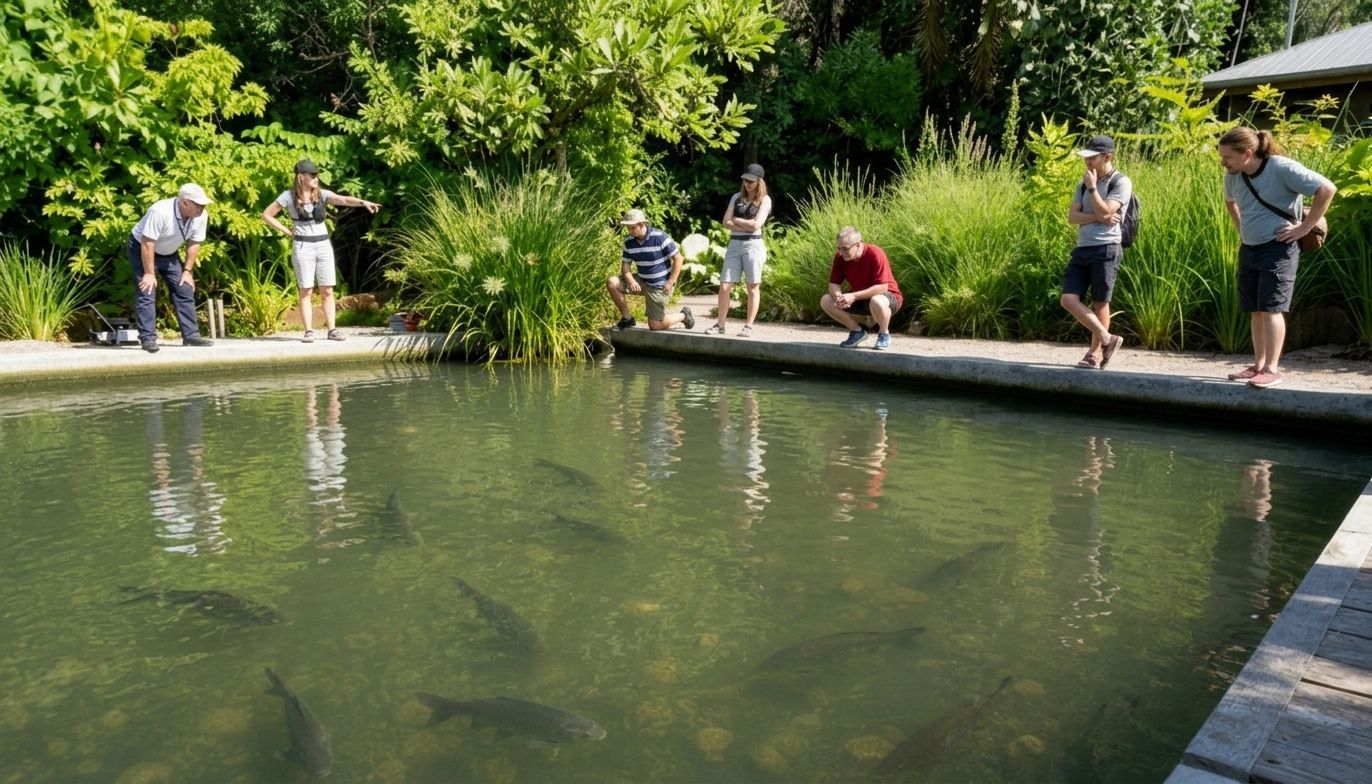
Visiting the Bonneville Fish Hatchery is like going to school outdoors. You can see and learn about nature right up close. The huge tanks with sturgeon are amazing to see first. These old fish are big and move through the water slowly and gracefully.
Observing Sturgeon at Bonneville, Oregon
The Sturgeon Interpretive Center is a favorite stop for many visitors. You can get close to very large sturgeon and watch how they behave. The displays explain their lives and why they have a hard time in the wild. This reminds us why hatcheries are needed for wildlife conservation.
Learning About Local Wildlife
You can also see many other animals around the hatchery. There are birds that come for the water and trees. The Columbia River is full of activity, and while you won’t always spot seals or sea lions here, they live in the river too. The hatchery is near the Bonneville Dam, which affects the river and animal life.
Interactive Exhibits For All Ages
The hatchery makes learning fun. There are hands-on displays so visitors and children can understand how fish grow and how the hatchery helps them. It’s not just about seeing – you can learn how the staff raise fish and help nature. The goal is for everyone to remember why conservation matters after their visit.
Conservation Efforts Beyond The Bonneville Fish Hatchery

The Bonneville Fish Hatchery isn’t working on its own. Its help goes far beyond its location with many other projects to help fish and improve their homes in the wild.
Habitat Restoration Projects
Fixing up rivers and streams is just as important as raising fish. Damaged rivers can make it hard for fish to have babies and grow. Projects often clean up the water, bring rivers back to how they should be, and make good places for fish to lay eggs. This helps fish released from the hatchery and wild fish too.
Community Involvement In Environmental Stewardship
Many people help with conservation. Local groups, helpers, and students often join in river clean-ups, planting trees, or watching water quality. Getting everyone involved helps people care more about nature and feel responsible for it. The goal is to look after the whole environment, not just the fish.
The Impact Of Bonneville Fish Hatchery On Ecosystem Health
The work done here makes a real difference. Helping with fish runs helps the rivers stay healthy. When fish numbers are good, other animals benefit too, and the river system is better overall. The hatchery is part of a team working to keep the Columbia River and its smaller rivers healthy. Some programs, like the Yakama Nation Hatchery expansion, are just for helping fish populations recover.
Saving fish needs different kinds of help: raising them at the hatchery, but also making their wild homes better. Doing both really helps over time.
Educational Opportunities At Bonneville
School Programs And Field Trips
The Bonneville Fish Hatchery is like a real-life classroom. School classes are welcome, and kids get to see fish and learn about them right in person. Many students get excited to learn about the life cycle of salmon and see it in action! These trips make learning about water and fish fun. It often gets kids interested in nature and science.
Public Awareness Campaigns
The hatchery also helps adults learn about fish and why they are in danger. There are displays and sometimes talks from experts. It’s about helping everyone understand how important it is to keep the Columbia River healthy.
Resources For Anglers And Enthusiasts
If you like fishing or animals, the hatchery has useful info for you, too. They give tips on fishing the right way and explain how hatcheries help fish populations. It’s a good spot to learn about the best times to visit for animal-watching. The Fish and Aquatic Conservation program also works with communities for bigger environmental projects.
The Economic And Community Impact Of Bonneville
Tourism Driven By The Bonneville Fish Hatchery
The Bonneville Fish Hatchery is not just about fish. It brings lots of people who want to see big sturgeon and learn about fish care. Tourists help local businesses like shops and restaurants. This also supports the local economy and helps wildlife at the same time. The hatchery makes people want to visit the area, which is good for everyone.
Local Partnerships And Support
The hatchery also works with schools, businesses, and other groups. They team up on events and projects, making the community stronger. Schools bring classes, and businesses help out with programs. These connections help keep the hatchery going and teach more people about nature.
The hatchery provides jobs and makes people care more about their local rivers and fish. It’s where nature and the community work together.
Job Creation And Economic Benefits
The hatchery has jobs for many people – like scientists, teachers, and office staff. Plus, they need work from local builders and suppliers for projects. Programs like the Columbia Basin Fish and Wildlife Program send in money that helps fish, wildlife, and businesses in the area. The hatchery is a big part of the local economy.
Planning Your Visit To Bonneville Fish Hatchery
If you want to visit the Bonneville Fish Hatchery, it’s easy and a fun way to learn about nature. The hatchery is open all year, but it’s smart to check the times before you go. You can have a picnic there, and the whole area is kept clean and nice.
Visitor Information and Amenities
When you get there, there is plenty of parking and restrooms. Staff are friendly and ready to answer questions. There are signs everywhere that give you information about the hatchery. If you take a tour, you can even see how things work behind the scenes. The main attraction is the ponds where you can see big sturgeon up close.
Best Times to Visit For Wildlife Viewing
You can see fish all year, but spring and fall are extra exciting as some fish are more active or moving. The sturgeon look great all the time, and you can always see lots of fish in the ponds. If you want to see other animals, try coming in the early morning or late afternoon, which is when animals usually come out in nature.
Accessibility At The Hatchery
The Bonneville Fish Hatchery tries to welcome everyone. Most paths and viewing areas are smooth for wheelchairs and strollers. There are parking spots close to the main buildings for people who need them. While some outdoor spots are rougher, most of the hatchery is easy to get around. It’s good to see the hatchery making sure everyone can visit.
More Than Just Fish: A Community Hub
Visiting the Bonneville Fish Hatchery shows that it’s about much more than raising fish. It’s a place for people to connect with nature and learn how to care for our rivers. Watching the fish and talking to the staff helps visitors understand why their work is important. The hatchery brings people together and makes a meaningful stop during a day trip from a nearby cabin while exploring the Columbia River Gorge.
Frequently Asked Questions
What is the main goal of the Bonneville Fish Hatchery?
The hatchery helps native fish like salmon and sturgeon grow healthy. They work to make these fish populations strong, which helps the river and nature stay balanced.
Can I see big fish at the hatchery?
Yes! One of the best things is seeing the big sturgeon swimming. There are also displays about other fish and wildlife from the Columbia River.
Is the hatchery a good place for kids to learn?
Absolutely! There are lots of fun and educational things for kids of all ages. Schools bring kids for field trips, and there are special programs about conservation and rivers.
Does visiting the hatchery help the local area?
Yes, visiting supports local businesses because tourists spend money nearby. The hatchery works with the community on nature projects, too.
What kind of conservation work happens there?
The hatchery raises fish and also helps fix up rivers for wild fish. They teach people how to help the environment too, so the whole area, including the fish, stays healthy.
What should I know before I visit?
Check the hatchery’s website for hours and details about what’s open. Depending on the time of year, you’ll see different fish. The hatchery is accessible, but check if you have special needs.