Exploring the Majestic Beauty of Multnomah Falls
Exploring the Majestic Beauty of Multnomah Falls
By: Menandro Bacalangco Jr. | May 22, 2026
Multnomah Falls: Ultimate Guide to Oregon’s Iconic Waterfall
Planning a trip to Multnomah Falls? It's a pretty amazing spot in the Columbia River Gorge.
You've got this huge waterfall, and the whole area is just stunning. Whether you're going for a quick look or a longer hike, there's a lot to see and do. We'll cover what you need to know to make the most of your visit to Multnomah Falls.
Key Takeaways
- Multnomah Falls is a major natural attraction in the Columbia River Gorge, known for its impressive height and beauty.
- The falls are accessible via the Historic Columbia River Highway, with trails leading to different viewpoints, including the iconic Benson Bridge.
- Visitors can explore various hiking trails around Multnomah Falls, offering different perspectives and levels of difficulty.
- The geology of Multnomah Falls is shaped by volcanic activity and glacial retreat, creating the unique basalt formations.
- Conservation efforts are in place to protect the natural environment of Multnomah Falls and the surrounding Gorge, encouraging responsible tourism.
Discovering Multnomah Falls
Welcome to one of the most breathtaking sights in the Pacific Northwest: Multnomah Falls. This towering cascade isn't just a pretty picture; it's a natural landmark that draws visitors from all over.
Standing tall in the Columbia River Gorge, it offers a spectacular display of nature's power and beauty.
The Iconic Cascade
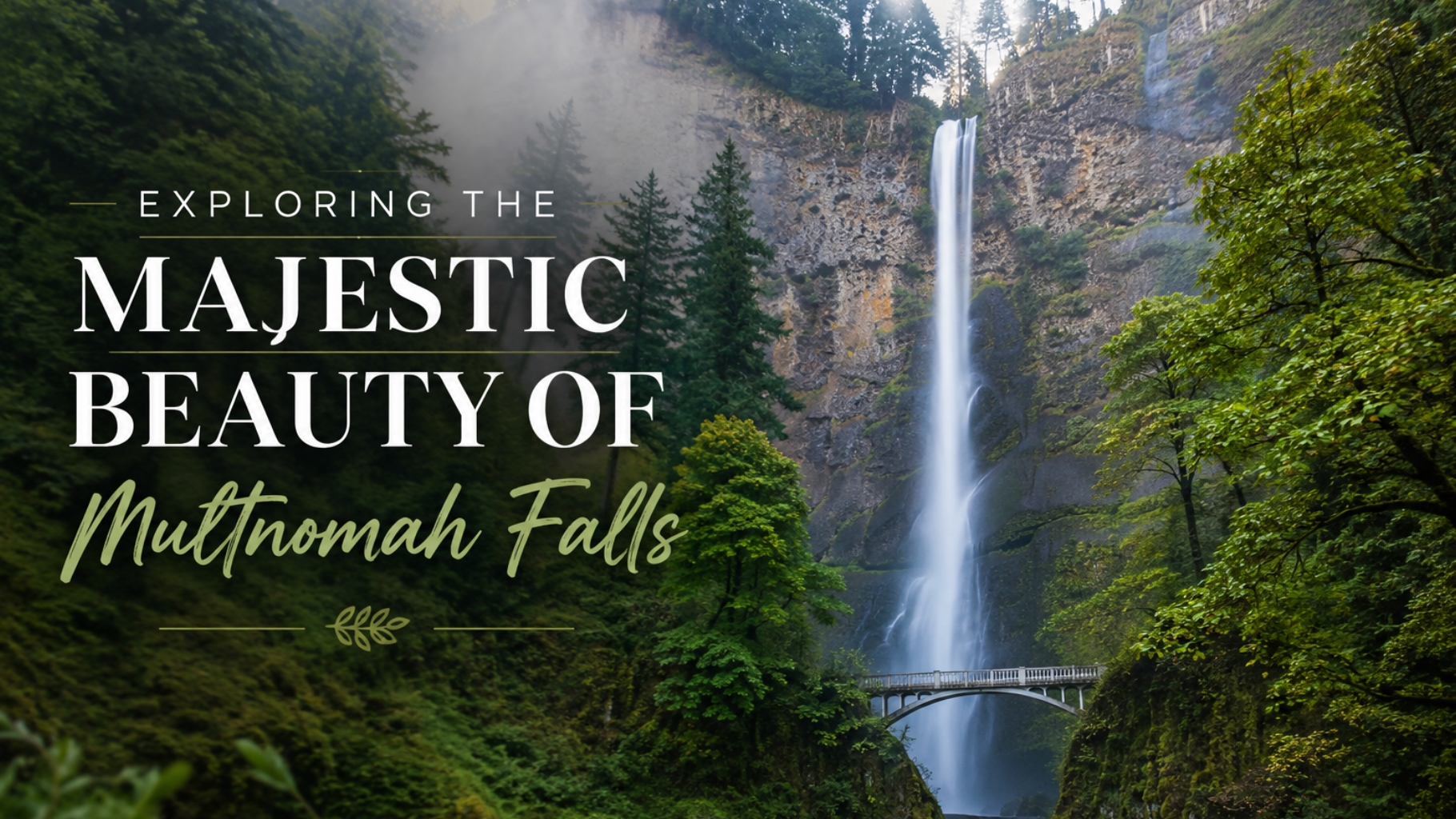
Multnomah Falls is Oregon's tallest waterfall, a truly iconic feature of the landscape. Its impressive height and the sheer volume of water plunging down create a mesmerizing spectacle.
The constant roar and the mist rising from the plunge pool are an experience in themselves. It's a place that makes you stop and just take it all in.
A Natural Wonder in the Columbia River Gorge
Nestled within the stunning Columbia River Gorge National Scenic Area, Multnomah Falls is surrounded by lush forests and dramatic cliffs. This region is renowned for its geological history and abundant waterfalls, but Multnomah Falls often steals the show.
The gorge itself is a product of ancient volcanic activity and glacial floods, shaping the dramatic scenery you see today. Exploring this area offers a chance to connect with the raw beauty of the natural world.
You can find more information about planning your visit to this incredible spot at Multnomah Falls, Oregon's tallest waterfall.
Planning Your Visit to Multnomah Falls
Getting to Multnomah Falls is relatively straightforward, but knowing a few things beforehand can make your trip smoother. Here’s what you should consider:
- Best Time to Visit: While beautiful year-round, the falls are most powerful in spring due to snowmelt. Summer offers pleasant weather for exploring, and autumn brings colorful foliage. Winter visits can be magical, with a chance of snow dusting the surroundings.
- Access and Parking: Parking can be limited, especially during peak seasons and weekends. Arriving early in the day is highly recommended. Check the official Forest Service website for any current alerts or required permits.
- What to Bring: Comfortable walking shoes are a must, as you'll likely be doing some walking. A rain jacket is always a good idea in the Pacific Northwest, and don't forget your camera!
Visiting Multnomah Falls is more than just seeing a waterfall; it's about experiencing a significant natural monument. Understanding the best ways to approach your visit helps ensure you can fully appreciate its grandeur without unnecessary hassle.
Remember that responsible tourism is key to preserving this natural treasure for future generations. Being mindful of the environment and following park guidelines helps maintain the beauty of the Gorge.
For those interested in the surrounding areas, places like Stevenson, WA also offer fantastic natural beauty and photography opportunities.
The Arbliss Hotel in Stevenson, WA, is conveniently located just 19 minutes away from Multnomah Falls, making it an excellent base for exploring the region.
Experiencing the Majesty of Multnomah Falls
The Upper and Lower Falls
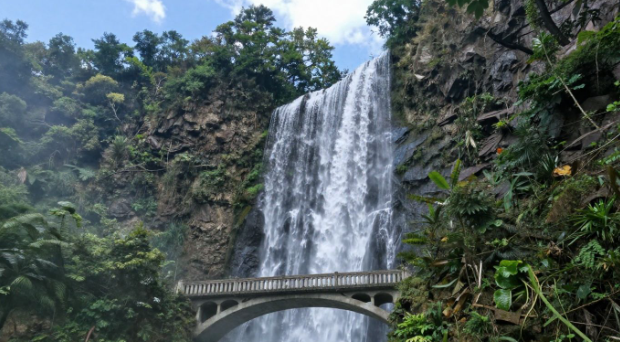
Multnomah Falls isn't just one waterfall; it's a two-tiered spectacle. The main event, the Lower Falls, plunges an impressive 542 feet. But don't overlook the Upper Falls, which adds another 214 feet of cascading water.
Together, they create a breathtaking display of nature's power and beauty. The sheer volume of water, especially in the spring, is something you have to see to believe. It's a dynamic environment, and the flow changes with the seasons, offering a different experience each time you visit.
Bridging the Gap: Benson Bridge
Connecting the two main sections of the falls is the iconic Benson Bridge. This charming stone structure, built in 1914, offers a fantastic vantage point. Standing on the bridge, you're right in the mist, feeling the spray and hearing the roar of the water.
It's a popular spot for photos, and for good reason. From here, you get a unique perspective looking up at the Upper Falls and down towards the plunge pool of the Lower Falls. It really gives you a sense of the scale of this natural wonder. Arriving early can help you capture this view with fewer crowds, making the experience more serene.
Seasonal Beauty and Flow
The character of Multnomah Falls shifts dramatically throughout the year. Spring is often the most dramatic, with snowmelt feeding the falls and creating a powerful, roaring cascade. Summer brings a more gentle flow, still beautiful but less intense.
Autumn adds a splash of color with the surrounding foliage, creating a picturesque scene. Winter can see the falls partially freeze, creating delicate ice formations that are quite unique. Understanding these seasonal changes can help you plan the perfect trip, whether you're seeking raw power or a tranquil, scenic view. The flow rate can vary significantly, so checking conditions before you go is a good idea.
Hiking and Exploration Around Multnomah Falls
Trails for Every Adventurer
Beyond the immediate viewpoints, Multnomah Falls serves as a gateway to a network of trails winding through the lush Columbia River Gorge. Whether you're looking for a short, scenic stroll or a more challenging trek, there's a path waiting for you.
These trails offer a fantastic way to experience the diverse beauty of the Gorge up close.
Here are a few options to consider:
- Multnomah Falls Trail to Benson Bridge: This paved, accessible path leads directly to the iconic bridge, offering stunning perspectives of the lower falls. It's a must-do for most visitors.
- Wahkeena Falls Loop Trail: A moderate loop that takes you past several other beautiful waterfalls, including Wahkeena Falls itself. It's a great way to see more of the area's cascades without a huge time commitment.
- Larch Mountain Trail: For those seeking a more strenuous hike, this trail climbs to the summit of Larch Mountain, providing panoramic views of the Gorge and surrounding peaks. It's a significant undertaking but incredibly rewarding.
These trails are popular for a reason, drawing visitors who appreciate the natural splendor and the chance for physical activity. Planning your hike in advance can help you make the most of your visit, especially during peak seasons.
Views from the Top
Reaching the top of Multnomah Falls, whether by hiking the paved trail or continuing on from Benson Bridge, presents a completely different perspective. You'll stand near the brink, feeling the mist and hearing the roar of the water as it plunges into the canyon below.
It's a powerful experience that truly highlights the scale of this natural wonder. From this vantage point, you can also appreciate the vastness of the Columbia River Gorge, a landscape shaped by ancient geological forces. Many visitors find this elevated view to be the most memorable part of their trip.
Connecting to the Historic Columbia River Highway
The area around Multnomah Falls is intricately linked with the Historic Columbia River Highway. This pioneering roadway, completed in the early 20th century, was designed to showcase the Gorge's scenic beauty.
Today, it offers a charming, slower-paced alternative for exploring the region. You can drive sections of the old highway, stopping at various viewpoints and trailheads that were established when the road was first built. This historic route provides a wonderful context for understanding how people have appreciated and accessed these natural treasures for over a century.
It's a journey back in time, connecting you to the early days of tourism in the Pacific Northwest. Exploring these historic sections is a great way to discover other hidden gems in the Columbia River Gorge.
Photography Opportunities at Multnomah Falls
Multnomah Falls is a photographer's dream, offering a stunning backdrop that changes with the light and seasons. Capturing its grandeur requires a bit of planning, but the results are well worth the effort.
The sheer scale and beauty of the falls make it a must-have shot for any visitor's portfolio.
Capturing the Grandeur
When you first arrive, it's easy to be overwhelmed by the view. To get the best shots, consider these points:
- Perspective is Key: Don't just shoot from the main viewing area. Walk closer to the base, or venture onto the Benson Bridge for a different angle. The bridge offers a fantastic vantage point looking up at the upper falls and across the gorge.
- Composition Matters: Think about what you want to include in your frame. Is it just the water, or do you want to incorporate the lush greenery, the historic bridge, or even people to give a sense of scale?
- Gear Considerations: While a smartphone can capture a decent photo, a DSLR or mirrorless camera with a wide-angle lens will allow you to capture more of the scene. A tripod is highly recommended, especially if you're shooting in lower light or want to achieve a silky smooth water effect.
The mist from the falls can be quite significant, especially after heavy rain or during peak flow. Protect your camera gear with a rain cover or a simple plastic bag to prevent water damage.
Best Times for Photography
Timing can make a huge difference in your photos. The light at Multnomah Falls shifts dramatically throughout the day.
- Early Morning: Sunrise offers soft, diffused light and fewer crowds. This is often the best time for capturing the falls without too many people in the frame. The light hitting the water can create beautiful highlights.
- Midday: While the sun is high, it can create harsh shadows and bright spots. However, it can also illuminate the mist, creating rainbows on sunny days. Be prepared for more visitors during this time.
- Late Afternoon/Golden Hour: The hour before sunset provides warm, golden light that bathes the falls and surrounding forest. This is another prime time for photographers seeking dramatic and atmospheric shots.
Iconic Shots of Multnomah Falls
Certain views have become synonymous with Multnomah Falls. Aim to capture these classic perspectives:
- The Full Cascade: A wide shot showing both the upper and lower falls, often framed by trees. This is the quintessential Multnomah Falls image.
- Benson Bridge View: Standing on or near the bridge, looking up at the powerful upper cascade. This angle really emphasizes the height and force of the water.
- Gorge Panorama: From higher viewpoints, capture the falls as part of the wider Columbia River Gorge landscape. This shows the falls in its natural setting.
Remember to be patient and observant. Sometimes the most striking photos come from unexpected angles or moments when the light hits just right. Visiting during different seasons can also yield vastly different, yet equally stunning, photographic opportunities.
Understanding the Geology of Multnomah Falls
Formed by Volcanic Activity
Multnomah Falls isn't just a pretty sight; it's a geological story etched into the landscape. The Columbia River Gorge, where the falls reside, owes its dramatic features to a history of powerful volcanic events. Millions of years ago, massive lava flows from ancient volcanoes, like the Columbia River Basalt Group, shaped the very bedrock of this region.
These flows created the thick layers of basalt that you see forming the cliffs and canyons today. The sheer scale of these ancient eruptions is hard to fathom, laying down the foundation for the dramatic scenery we enjoy now. It's this resilient basalt that has stood the test of time, providing the sturdy structure over which the water tumbles.
The Role of Glacial Retreat
While volcanic activity laid the groundwork, it was the immense power of glaciers that truly carved out the gorge and influenced the falls' current form. During the ice ages, massive ice sheets advanced and retreated, scouring the land and deepening the river valley.
As these glaciers melted, they released colossal amounts of water, which further eroded the basalt. This meltwater, carrying sediment and debris, acted like a giant sandpaper, shaping the cliffs and creating the steep gradients that allow for such impressive waterfalls. The constant sculpting by water, driven by glacial melt, is a key reason why Multnomah Falls flows so powerfully.
Basalt Formations and Water Flow
The specific rock layers at Multnomah Falls play a big part in how the water behaves. You'll notice the falls drop over a prominent cliff face, a result of differential erosion. Some layers of basalt are harder and more resistant to weathering, while others are softer or fractured.
The water tends to carve away the softer layers more easily, creating ledges and overhangs. This process is what gives the falls its distinct tiered appearance, with the main drop and the smaller cascades above and below. The way the water interacts with these varied basalt formations is a constant, dynamic geological process.
The enduring beauty of Multnomah Falls is a testament to the powerful geological forces that shaped the Columbia River Gorge over millennia. From fiery volcanic origins to the sculpting power of ancient glaciers and the ongoing work of erosion, the very ground beneath your feet tells a story of immense natural change.
Preserving the Natural Beauty of Multnomah Falls
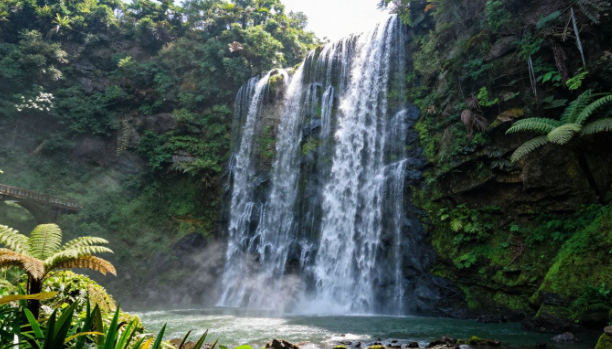
Seeing Multnomah Falls is a special experience, and it's up to all of us to help keep it that way for future visitors. The Columbia River Gorge is a delicate ecosystem, and the popularity of this iconic waterfall means we need to be mindful of our impact.
Conservation Efforts in the Gorge
Lots of groups are working hard to protect this amazing place. They focus on things like making sure the forests stay healthy and that the water stays clean. It's a big job, but it means we can all continue to enjoy the natural splendor.
- Sustainable forest management practices
- Protecting native plant and animal habitats
- Monitoring water quality and flow
These efforts are vital for maintaining the overall health of the Gorge, which in turn supports the beauty of the falls themselves. It’s a continuous process that requires community involvement and support.
Responsible Tourism Practices
When you visit, there are simple things you can do to help. Sticking to marked trails is a big one – it prevents erosion and protects the plants. Packing out everything you pack in, including trash, is also super important. Think of it as leaving the place better than you found it.
Being a responsible visitor means understanding that your actions have consequences. Small choices, like staying on paths and not disturbing wildlife, collectively make a huge difference in preserving this natural treasure.
The Importance of Protecting Multnomah Falls
Multnomah Falls isn't just a pretty sight; it's a significant natural landmark. Protecting it means safeguarding a piece of Oregon's history and natural heritage. It also helps support the local economy that relies on tourism.
The long-term health of the falls and its surroundings depends on our collective commitment to conservation. Visiting the historic Columbia River Highway offers a glimpse into the area's past and the ongoing efforts to maintain its charm.
Here are some key ways to be a responsible visitor:
- Stay on marked trails: This prevents erosion and protects fragile vegetation. Wandering off-path can damage the landscape.
- Pack it in, pack it out: Take all your trash with you. This includes food scraps and wrappers.
- Respect wildlife: Observe animals from a distance and never feed them. Feeding wildlife can harm their health and alter their natural behavior.
- Follow all posted rules and regulations: These are in place for your safety and the protection of the environment.
By following these guidelines, you contribute directly to the preservation of Multnomah Falls and the wider Columbia River Gorge ecosystem, ensuring its majesty for generations to come. Organizations like those focused on environmental preservation in Multnomah County are key partners in these ongoing efforts.
More Than Just a Waterfall
So, Panther Creek Falls is more than just a pretty spot. It's a place that reminds you of nature's power and beauty. Whether you're looking for a peaceful hike, a chance to capture some amazing photos, or a scenic adventure near a
cozy cabin, this waterfall delivers. Plan your visit, pack your bags, and get ready to experience it for yourself. You won't regret making the trip to see this natural wonder.