Portland to Columbia River Gorge Road Trip
Portland to Columbia River Gorge Road Trip: Stops, Itinerary & Where to Stay
By: Menandro Bacalangco Jr. | October 23, 2026

Portland to Columbia River Gorge Road Trip | Artbliss
A drive from Portland into the Columbia River Gorge can include elevated viewpoints, famous falls, and small waterfront towns. The key is deciding how far to travel each day—and where you want to finish the evening.
For a balanced two-night trip, follow the western scenic route, spend time around the central communities, and leave the eastern towns as an optional extension. This gives you time to enjoy the landscape without turning every afternoon into a race between attractions.
Troutdale and Corbett suit a shorter drive and western sightseeing. Cascade Locks offers a convenient southern-bank base. Stevenson combines small-town evenings with cabin accommodation, while Hood River fits travelers continuing farther east.
Plan Your Columbia Gorge Road Trip
The region is an easy Portland day trip destination, but an overnight stay gives you more flexibility. You can separate sightseeing into manageable sections instead of driving back to the city after a full afternoon outdoors.
As you travel east, choose between the direct interstate connection and slower scenic sections. On the Oregon side, I-84 handles through travel, while the older highway provides access to viewpoints and several well-known attractions. State Route 14 follows the Washington bank.
A useful approach is to build each day around one geographic cluster:
- Western section: Elevated viewpoints and the main waterfall corridor.
- Central section: Waterfront towns, visitor attractions, and your overnight base.
- Eastern section: Dining, waterfront recreation, and an optional longer stay.
For a first visit, two nights allow one full day without packing up. Add another night if you want to explore farther east while keeping a relaxed pace.
A flexible Gorge itinerary helps you combine scenic highway driving with time outside the car. Choose your essential stops first, then add a park visit or a short hiking outing if conditions allow. On a longer road trip, Hood River can provide an eastern overnight base. Keeping each day focused on one part of the Gorge helps you adjust more easily when parking, weather, or daylight changes your plans.
Historic Highway Stops: Vista House and Crown Point
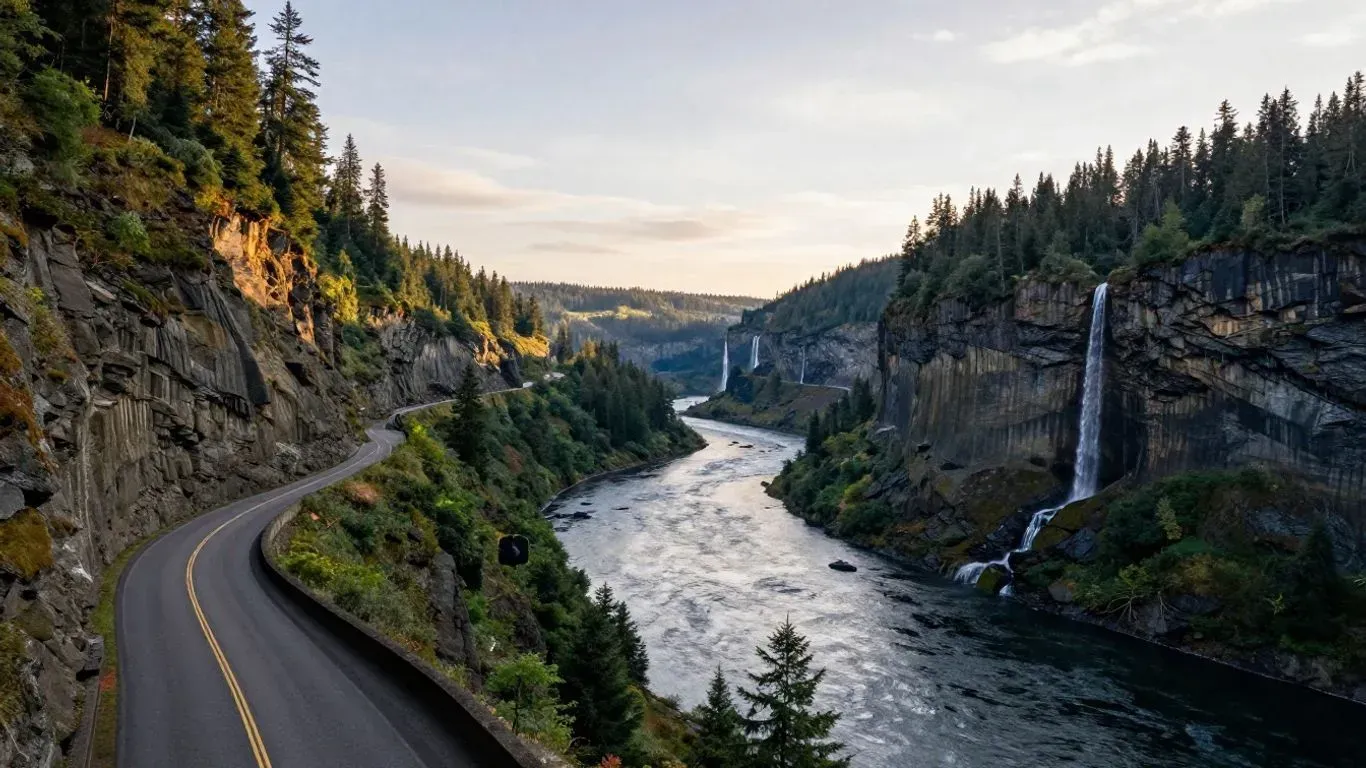
Begin with the western scenic approach when weather and access allow. The Historic Columbia River Highway makes this part of the drive an experience in its own right, with curves and viewpoints that require more time than the faster route.
Vista House stands at Crown Point above the river. It is a natural first stop for understanding the scale of the landscape before continuing toward the lower attractions.
Allow time for the view rather than treating the overlook as a quick photograph. Wind and visibility can affect the experience, and building access should be checked separately from access to the surrounding grounds.
A practical arrival sequence is:
- Leave Portland with enough daylight for the scenic approach.
- Pause at Vista House and Crown Point.
- Continue toward your selected falls.
- Leave time for the drive to your accommodation and dinner.
For an Oregon arrival, this historic highway section creates a clear progression from an elevated river view to forested scenery below. Avoid filling the first afternoon with every available attraction.
Multnomah Falls and the Western Corridor
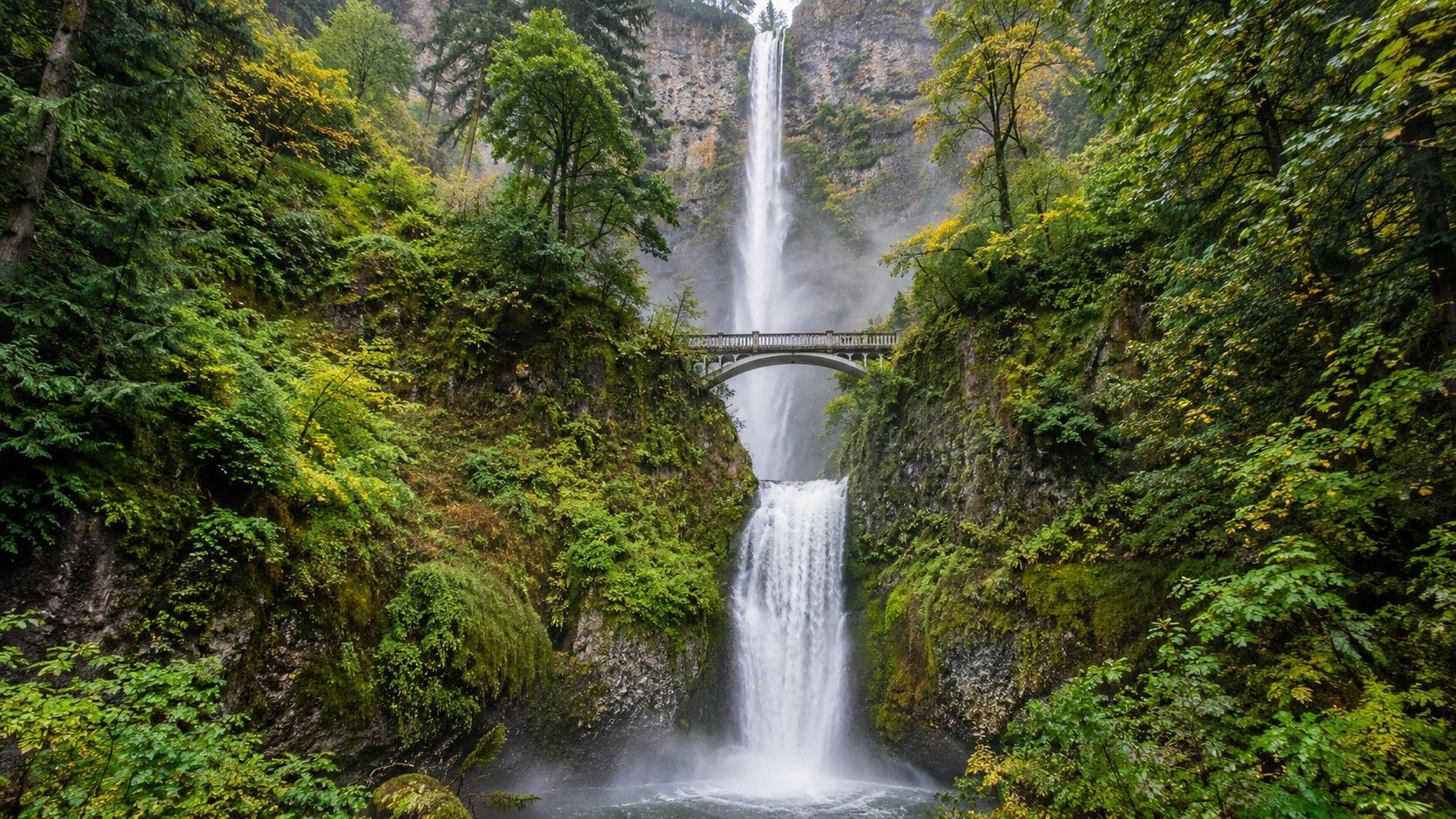
Multnomah Falls is an obvious anchor for a first visit, but parking and access deserve advance planning. Seasonal requirements can differ between the I-84 parking area and the approach along the older highway.
Before visiting Multnomah, confirm the arrangements for your dates and arrival route. A reservation or payment associated with one access point should not be assumed to cover another.
Keep the rest of the afternoon proportional to your energy and available daylight. One additional stop can be more enjoyable than repeatedly searching for parking at several busy locations.
Nearby possibilities include:
- Latourell Falls: A western option to consider alongside the viewpoint section.
- Bridal Veil Falls: An option involving a walk rather than a roadside-only visit.
- Horsetail Falls: A possible addition when continuing east, subject to access and parking.
The waterfalls accessible without a long hike guide helps distinguish a short sightseeing visit from a more demanding outing.
If this waterfall corridor is the main reason for your stay, accommodation for exploring local waterfalls can be compared around your first and last planned visits.
Cascade Locks and the Central River Towns
After the western corridor, Cascade Locks provides a natural place to slow down. Marine Park offers a waterfront setting, with a footbridge across the old locks leading toward Thunder Island.
This part of the route works well for a meal, a walk, or an overnight stay. The local activities guide covers options beyond passing through, while nearby restaurants help make dinner part of the plan.
The Bridge of the Gods connects this area with the northern bank and carries a toll. Use it as a deliberate route connection rather than crossing repeatedly between individual activities.
Bonneville and Nearby Visitor Attractions
Bonneville Dam can add a different perspective to a scenery-focused visit. Its visitor facilities explain hydropower, navigation, and fish passage. The Bradford Island visitor center is on the southern side, so confirm the entrance and operating arrangements for the facility you intend to visit.
The Bonneville fish hatchery is a separate attraction. It should be planned as its own visit rather than treated as part of the dam visitor center.
If you want a guided tour, check availability beforehand. Do not build the afternoon around an assumed departure time or guaranteed fish viewing.
Where to Stay Along the Route
The best overnight base depends on where your sightseeing ends, what you want to do after dinner, and where the following morning begins.
| Area | Best Fit | Main Planning Tradeoff |
|---|---|---|
| Troutdale and Corbett | Shorter arrival drive and western viewpoints | More backtracking if most activities are farther east |
| Cascade Locks | Southern-bank sightseeing and straightforward onward travel | A crossing is needed for northern-bank outings |
| Stevenson | Small-town evenings and a cabin-focused stay | Southern-bank attractions require a crossing |
| Carson and North Bonneville | A specific soaking, forest, or outdoor activity | Dining and accommodation may be spread apart |
| Hood River | Waterfront recreation, restaurants, and eastern exploring | Farther from the western attractions |
| White Salmon and Bingen | Northern-bank accommodation near eastern activities | Cross-bank plans add tolls and driving |
Compare actual addresses rather than relying on the destination name. A property outside town may offer more privacy while adding a drive to every meal.
Troutdale and Corbett for a Shorter Stay
These communities make sense when your priorities are concentrated near the western entrance. They suit a late departure from Portland, a one-night visit, or an early return to the city.
Their main limitation is distance from eastern activities. If your full day is centered farther into the Gorge, a central base can reduce backtracking.
Stevenson for Small-Town Evenings
Stevenson suits travelers who want the surrounding town and accommodation to be part of the experience. The first-time visitor’s guide to Stevenson introduces the area, while downtown restaurants provide options for an evening close to your base.
At Artbliss Hotel, A-frame accommodation offers a cabin-focused alternative. Published property information distinguishes front cabins with landscape views from rear cabins with outdoor soaking tubs.
A mountain-view cabin may suit travelers who expect to spend time enjoying the outlook. Others may prefer a cabin with a soaking tub after an active afternoon.
Check the selected collection carefully. Views and tubs are not interchangeable features attached to every cabin. Published layouts include loft sleeping space and kitchenettes for light meals, so additional beds should not be mistaken for a separate enclosed bedroom.
Carson and North Bonneville for a Specific Experience
These communities deserve consideration when one activity shapes the stay.
Carson may fit plans centered on soaking or forest access. The hot springs guide near Stevenson provides context, but access to a soaking facility should never be assumed to come with an unrelated room reservation.
North Bonneville is worth comparing when nearby recreation and the dam area dominate your schedule. For either location, check dining distances and the return drive before choosing a secluded address.
Eastern Towns for a Longer Visit
Hood River becomes more practical when you plan to spend substantial time around the waterfront, local restaurants, and destinations farther east. The local attractions guide helps explain the appeal of extending your stay.
Accommodation is spread across downtown, waterfront, and outlying locations. Confirm whether your chosen address offers walkability, a river outlook, or a drive into town.
White Salmon and Bingen provide Washington alternatives across the water. Mosier can also fit an eastward-focused visit. These bases work best when your plans genuinely concentrate nearby rather than returning west each morning.
A Two-Night Itinerary From Portland
This outline uses Stevenson as the overnight base, with alternatives for travelers who prefer staying on the southern bank. It combines an arrival-day scenic drive, one full day, and a flexible departure morning.
Day 1: Viewpoints, Falls, and Check-In
Leave Portland with enough time for a relaxed arrival. Follow the western approach toward Vista House, then continue to Multnomah Falls if access, parking, and your schedule allow.
Keep your first day focused:
- Enjoy the elevated view before descending toward the corridor.
- Choose one main attraction rather than several lengthy walks.
- Continue east for a meal or waterfront break.
- Cross to Stevenson if that is your overnight base.
After check-in, keep dinner nearby. The first evening is more comfortable when it does not require another substantial drive.
If you are staying on the southern bank, finish the day there and save the northern side for a separate outing.
Day 2: Explore One Bank at a Time
Use the full day for the activities closest to your accommodation. For a northern-bank stay, that might mean a morning in Stevenson, time at a nearby park, and an afternoon focused on outdoor scenery or a museum.
For a southern-bank stay, combine a visitor attraction with a waterfront walk and time in town. If Bonneville Dam is a priority, place the correct visitor entrance on that day’s route.
Choose hiking according to the group’s ability, weather, and available daylight. A shorter walk followed by an unhurried meal can be a better fit than a demanding trail squeezed between several appointments.
Return to the same accommodation for the second night. Keeping one base avoids repacking and leaves more time to enjoy the Gorge.
Day 3: Return West or Extend East
For a direct return, have breakfast and choose one final nearby outing before driving toward Portland. Keep the morning flexible if you have an airport departure or another fixed commitment.
With an additional night available, continue toward Hood River instead. Spend time around the waterfront, have lunch locally, and explore the surrounding area before settling into an eastern base.
An extension makes more sense than adding a long eastward detour to an already busy departure day.
Check Road Conditions and River Crossings
A river view does not guarantee a short drive to something visible on the opposite bank. Map the actual bridge connection and include tolls when comparing accommodation.
For a Columbia Gorge stay, practical planning includes:
- Grouping activities by bank.
- Checking current road conditions before departure.
- Allowing extra time on winding highway sections.
- Confirming parking and attraction access.
- Keeping a flexible alternative for poor visibility or closures.
A Gorge road journey can change with wind, ice, construction, or winter weather. Check the route you intend to use rather than assuming both banks have identical conditions.
Guided tours or scheduled transport may suit travelers who prefer less driving. However, accommodation still needs to fit the service timetable and the distance between its stop and your room.
Final Thoughts
A well-paced Columbia River Gorge visit combines a few memorable places with an overnight base that supports the route.
Choose the western communities for a shorter approach, Stevenson for small-town evenings and cabin time, or the eastern towns for a longer stay. Artbliss offers an A-frame option in Stevenson for travelers who want their accommodation to be part of the experience.
Plan the drive around your priorities, account for crossings, and leave enough space to enjoy each place before moving on.
Frequently Asked Questions
How Many Nights Should You Stay?
Two nights give you an arrival afternoon, one full day, and a departure morning. One night can work for a focused western visit, while three nights provide more room for eastern exploring.
Which Side Is Better for a First Visit?
Choose according to your priority activities. The southern bank offers direct access to the main western attractions, while the northern bank suits a stay centered on Stevenson and nearby experiences. Crossing once for a planned outing is more efficient than repeatedly switching sides.
Can You Visit Without a Car?
A limited Oregon-side visit is possible using scheduled transit. Columbia Area Transit connects Portland with selected destinations, including the main falls attraction and eastern communities. Check current schedules and arrange transportation between the stop and your accommodation.
Should You Reserve Accommodation Near the Main Attraction?
Only if that location also supports the rest of your plans. Consider dinner, parking, your preferred room layout, and the following morning’s destination. A central base can work better when your activities are spread out.
Can You Fit Everything Into One Day?
A day visit can cover selected viewpoints and one or two nearby attractions. It becomes less comfortable when you add both banks, eastern towns, and several long walks. Prioritize a smaller area and leave time for parking and meals.