Historic Columbia River Highway
Historic Columbia River Highway: A Scenic Journey Through the Columbia River Gorge
By: Menandro Bacalangco Jr. | August 14, 2026
Historic Columbia River Highway: Scenic Drive & History
The Historic Columbia River Highway is one of the best ways to experience the natural beauty and history of the Columbia River Gorge in Oregon. Built in the early 20th century, this scenic route was designed to showcase the Gorge's waterfalls, cliffs, forests, viewpoints, and Columbia River scenery.
Today, visitors can explore sections of the original highway by car, while restored portions are available to hikers and cyclists through the Historic Columbia River Highway State Trail. Along the way, travelers can discover historic landmarks, scenic overlooks, waterfalls, tunnels, bridges, and some of the most
memorable landscapes in the Columbia River Gorge.
What Is the Historic Columbia River Highway?
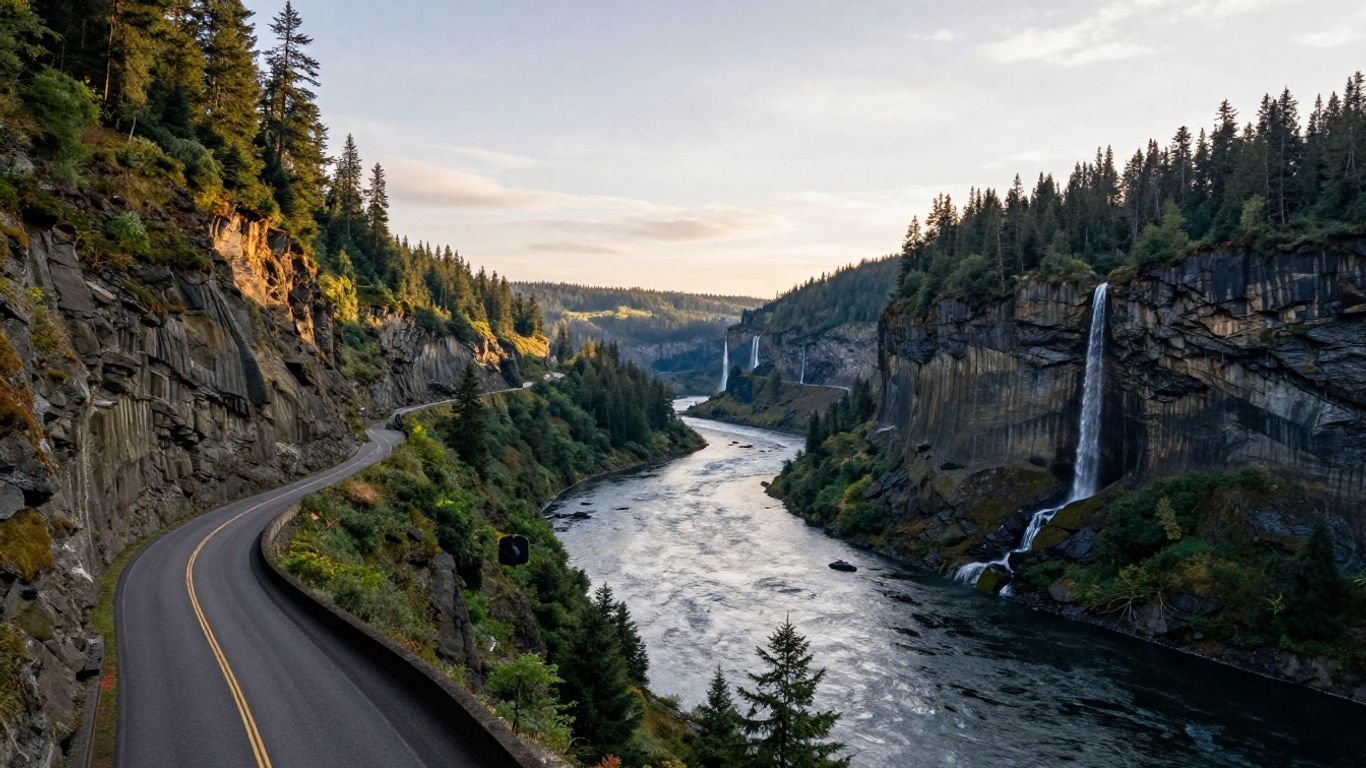
The Historic Columbia River Highway is a historic scenic road that follows the southern side of the Columbia River through the Oregon portion of the Columbia River Gorge.
The highway was designed by engineer Samuel C. Lancaster and constructed between 1913 and 1922. Rather than creating the shortest possible route through the Gorge, Lancaster designed the road around the area's natural landscape.
Curves, bridges, tunnels, stone retaining walls, and scenic viewpoints were incorporated into the route so travelers could experience the Gorge as they traveled through it.
The original highway stretched for approximately 73 miles between Troutdale and The Dalles. Portions of the historic route were later bypassed by modern highways, particularly Interstate 84, but several sections have been preserved or restored.
Why Is the Historic Columbia River Highway Important?
The Historic Columbia River Highway is important both for its engineering and its influence on scenic travel in the United States.
It is recognized as the first scenic highway in the Pacific Northwest and is often described by Oregon officials as the first scenic highway in the United States. The road was intentionally designed to provide access to spectacular scenery rather than simply serve as a transportation corridor.
Its historic significance comes from several elements:
- Early 20th-century highway engineering
- Scenic road design
- Historic bridges and viaducts
- Stone masonry and retaining walls
- Scenic overlooks
- Tunnels constructed through the Gorge's terrain
- Integration of transportation infrastructure with the natural landscape
The Historic Columbia River Highway was designated a National Historic Landmark in 2000, recognizing its importance in American transportation and landscape history.
A Brief History of the Historic Columbia River Highway
Construction of the highway began in 1913 during an era when automobile travel was becoming increasingly popular.
Samuel C. Lancaster envisioned a road that would make the Columbia River Gorge accessible to motorists while also preserving and emphasizing its scenic character. The route incorporated engineering techniques that allowed the highway to follow the contours of the landscape.
By 1922, the highway had been completed.
However, the growth of automobile travel eventually required wider and faster roads. Interstate 84 was later constructed through much of the Gorge, bypassing portions of the original highway.
As a result, some historic sections became disconnected from the modern road network. Preservation and restoration projects have since helped return portions of the original highway to public use.
Today, travelers can experience the historic route through a combination of scenic driving, hiking, and cycling.
Historic Columbia River Highway Engineering
One of the most interesting aspects of the route is the engineering behind it.
The highway was constructed through a landscape characterized by steep cliffs, deep ravines, basalt formations, and waterfalls. Instead of ignoring these obstacles, its designers incorporated them into the road's layout.
Historic features include:
- Stone retaining walls
- Masonry bridges
- Viaducts
- Tunnels
- Scenic overlooks
- Historic guardrails
- Carefully engineered curves
- Roadside structures designed to complement the landscape
This combination of engineering and landscape design helped establish the highway as more than a transportation route. It became part of the experience of traveling through the Columbia River Gorge.
What Can You See Along the Historic Columbia River Highway?
The historic highway provides access to numerous natural and historic attractions. Some of the best-known stops include viewpoints, waterfalls, historic structures, and trailheads.
1. Crown Point and Vista House
Crown Point is one of the most recognizable viewpoints along the Historic Columbia River Highway.
The viewpoint rises approximately 700 feet above the Columbia River and provides expansive views of the Gorge. At the summit sits Vista House, an iconic historic structure completed in 1918.
Vista House was designed as both a rest stop and an observation point for travelers using the new highway.
Today, Crown Point remains one of the best places to begin experiencing the scenic character of the Historic Columbia River Highway.
2. Latourell Falls
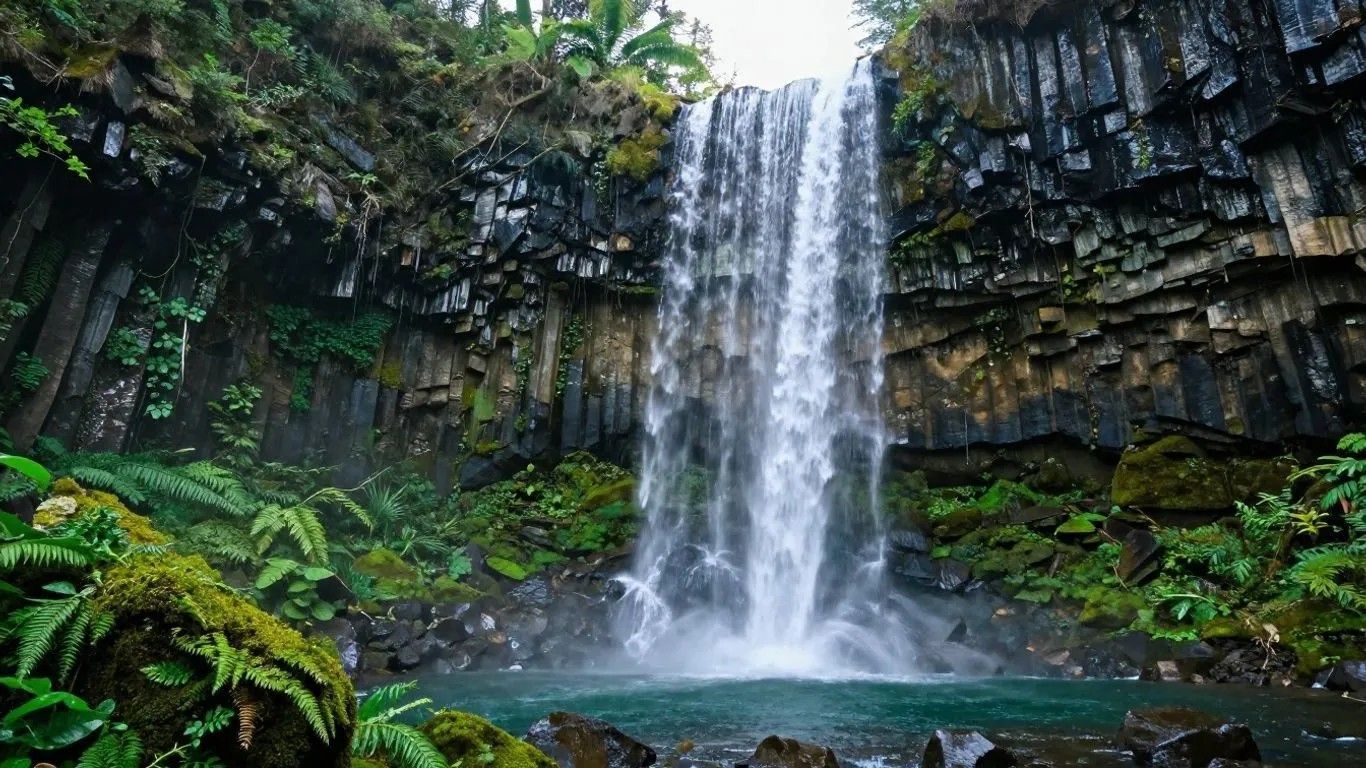
Latourell Falls is one of the most distinctive waterfalls along the route.
The waterfall drops beside towering basalt cliffs covered in moss and vegetation, creating a dramatic contrast between dark rock and the surrounding forest.
The area includes hiking trails and viewpoints, making it a popular stop for visitors exploring the historic highway.
3. Bridal Veil Falls
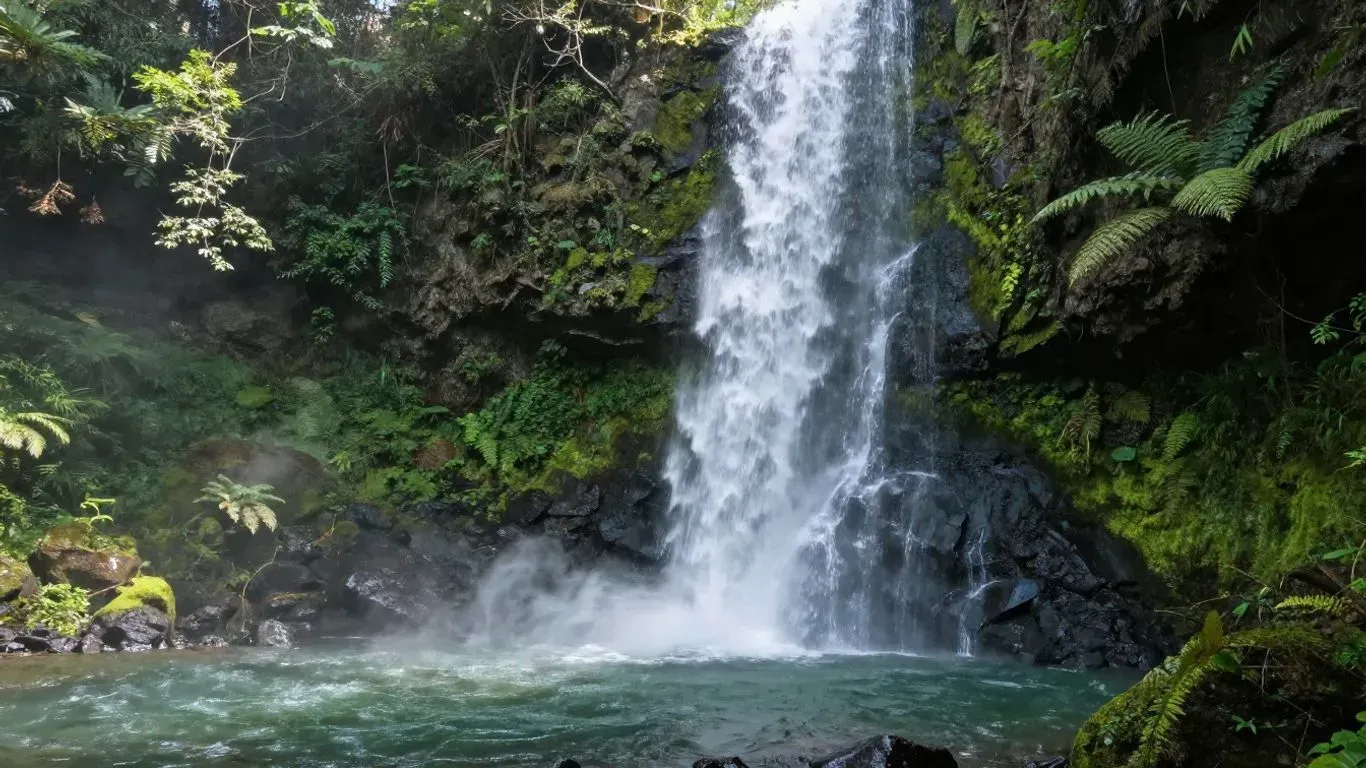
Bridal Veil Falls provides another opportunity to experience one of the Gorge's waterfalls without straying far from the historic route.
The waterfall is surrounded by forest, and the nearby trail provides a short outdoor excursion for travelers who want to stretch their legs during a scenic drive.
4. Multnomah Falls
Multnomah Falls is perhaps the most famous attraction associated with the Historic Columbia River Highway.
The waterfall drops dramatically through a forested canyon and is easily recognizable by its two-tiered cascade and historic Benson Bridge.
Its location along the historic highway corridor makes it an essential stop for many visitors exploring the Gorge.
Because Multnomah Falls is extremely popular, travelers should check current parking, permit, and access requirements before visiting.
5. Horsetail Falls
Horsetail Falls is another easily recognizable waterfall along the Historic Columbia River Highway.
Unlike some of the longer waterfall hikes in the Gorge, Horsetail Falls can be viewed close to the road, making it a convenient stop for travelers who want to see several waterfalls in one day.
The surrounding forest and basalt cliffs also make the area popular for photography.
6. Mitchell Point
Mitchell Point represents one of the most fascinating engineering features associated with the historic route.
The original Mitchell Point Tunnel was constructed in 1915 and included five openings overlooking the Columbia River. The tunnel was eventually destroyed during construction associated with Interstate 84.
A new Mitchell Point Tunnel has since been constructed as part of the Historic Columbia River Highway State Trail, recreating the historic concept while providing a route for hikers and cyclists.
Exploring the Columbia River Gorge Waterfall Corridor
One of the biggest attractions of the Historic Columbia River Highway is its proximity to the Waterfall Corridor.
This portion of the Columbia River Gorge contains a remarkable concentration of waterfalls and scenic attractions. Travelers can combine a scenic drive with short walks and waterfall hikes to experience several destinations in one trip.
Popular waterfall stops include:
- Latourell Falls
- Bridal Veil Falls
- Wahkeena Falls
- Multnomah Falls
- Horsetail Falls
The Waterfall Corridor is particularly impressive during the wetter months when streams and waterfalls are flowing strongly.
For travelers interested in waterfalls, this section of the historic highway provides an easy way to combine sightseeing with outdoor recreation.
Historic Columbia River Highway State Trail
Not every section of the original highway remains open to automobiles. Some restored portions have instead become part of the Historic Columbia River Highway State Trail.
The trail allows hikers and cyclists to experience portions of the historic route away from modern vehicle traffic.
Different sections provide different experiences, including:
- Forested hiking
- Cycling
- Waterfall access
- Columbia River views
- Historic road features
- Scenic overlooks
- Bridges and tunnels
The trail has been developed in sections, with restored portions connecting communities and attractions throughout the Gorge.
The Mitchell Point section is particularly notable because of its modern recreation of the historic tunnel concept.
Exploring the Historic Highway by Car
Driving remains one of the easiest ways to experience the portions of the Historic Columbia River Highway that are open to automobiles.
Unlike Interstate 84, the historic route encourages travelers to slow down and stop frequently. The road connects scenic viewpoints, waterfalls, historic structures, and trailheads rather than simply prioritizing efficient transportation.
A scenic drive can include stops at:
- Crown Point and Vista House
- Latourell Falls
- Bridal Veil Falls
- Multnomah Falls
- Horsetail Falls
- Other viewpoints and trailheads along the route
Not all sections of the original highway are continuously connected for vehicles, so visitors should check current road conditions and access information before planning a full-day drive.
Historic Highway vs. Interstate 84
The Historic Columbia River Highway and Interstate 84 serve very different purposes.
| Historic Columbia River Highway | Interstate 84 |
|---|---|
| Scenic travel | Efficient transportation |
| Historic road | Modern interstate |
| Waterfalls and viewpoints | Primarily through travel |
| Historic bridges and stonework | Modern highway infrastructure |
| Hiking and cycling opportunities nearby | Limited pedestrian access |
| Slower sightseeing experience | Faster travel through the Gorge |
Interstate 84 is generally the practical choice when you need to travel efficiently through the Columbia River Gorge. The Historic Columbia River Highway is better suited to travelers who want to stop, explore, photograph scenery, and experience the history of the region.
Places to Explore Along the Historic Highway
The highway also provides access to several communities and destinations throughout the Columbia River Gorge.
Troutdale
Troutdale is located near the western entrance to the historic route and is often considered a starting point for exploring the Gorge from the Portland area.
Cascade Locks
Cascade Locks sits farther east along the Columbia River and provides access to numerous outdoor attractions, trails, and viewpoints.
Hood River
Hood River is an excellent base for exploring the eastern Gorge and combining the historic highway with other scenic drives and outdoor activities.
The Dalles
The Dalles marks the eastern end of the original historic highway and provides access to the wider Columbia River Gorge and surrounding high-desert landscapes.
These communities can also provide restaurants, lodging, supplies, and other services for travelers spending multiple days in the region.
Best Ways to Experience the Historic Columbia River Highway
There is no single way to explore the historic highway. Your preferred approach depends on how much time you have and whether you want to focus on scenery, history, or outdoor recreation.
Scenic Drive
A scenic drive is ideal for travelers who want to visit several landmarks without committing to longer hikes.
Hiking
Hiking allows you to explore waterfalls, forests, viewpoints, and restored portions of the historic highway more closely.
Cycling
Cyclists can use restored sections of the Historic Columbia River Highway State Trail to experience parts of the historic route away from vehicle traffic.
Photography
The combination of waterfalls, basalt cliffs, historic structures, forests, and Columbia River views makes the highway especially appealing for photographers.
Best Time to Visit the Historic Columbia River Highway
The Historic Columbia River Highway can be explored throughout much of the year, but each season offers a different experience.
Spring is an excellent time for waterfall viewing. Seasonal rainfall can increase water flow, while the surrounding forests become increasingly green.
Summer offers long daylight hours and generally favorable conditions for scenic drives, hiking, and cycling. However, popular attractions can become crowded.
Fall brings cooler temperatures and changing foliage, creating attractive conditions for scenic drives and photography.
Winter can provide a quieter experience, but travelers should be prepared for rain, changing road conditions, and temporary closures.
For the best experience, check current road, trail, parking, and attraction conditions before leaving.
Tips for Visiting the Historic Columbia River Highway
A little planning can make it easier to explore the route without rushing between attractions.
- Start early: Popular waterfalls and viewpoints can become crowded.
- Check access information: Road, trail, and attraction conditions can change.
- Allow extra time: The scenic route is best enjoyed slowly.
- Wear comfortable shoes: Many attractions have nearby trails.
- Bring water: Even short hikes can be tiring during warmer weather.
- Respect closures: Follow posted restrictions and restoration-area closures.
- Stay on designated trails: This helps protect sensitive Gorge habitats.
- Plan your stops: Identify waterfalls, viewpoints, and historic sites you most want to see.
- Consider staying nearby: A multi-day trip allows more time for hiking and sightseeing.
Where to Stay for a Historic Columbia River Highway Adventure
The Historic Columbia River Highway makes an excellent foundation for exploring the wider Columbia River Gorge. Rather than trying to see every waterfall and viewpoint in a single day, staying nearby gives you more time to enjoy the landscape.
For travelers exploring the Gorge from the Washington side, Artbliss Hotel in Stevenson provides a convenient base for experiencing the region's scenic attractions and outdoor activities.
From Stevenson, visitors can explore waterfalls, hiking trails, viewpoints, and other things to do in the Columbia River Gorge while returning to a comfortable place to relax after a day outdoors.
Final Thoughts
The Historic Columbia River Highway is more than a historic road. It represents an early vision of scenic travel in which engineering, architecture, and landscape were brought together to help travelers experience the Columbia River Gorge.
From Crown Point and Vista House to Multnomah Falls, Latourell Falls, Mitchell Point, and the restored Historic Columbia River Highway State Trail, the route offers a combination of history and outdoor adventure that is difficult to find anywhere else.
If you're planning a trip to the Columbia River Gorge, give yourself time to slow down and explore the historic highway. Stop at the viewpoints, walk to the waterfalls, appreciate the historic stonework, and enjoy the scenery along the way. For a longer stay, use Stevenson as a base and explore more of the things to do in Stevenson and the surrounding Gorge.
FAQs
What is the Historic Columbia River Highway?
The Historic Columbia River Highway is a scenic and historic route through the Oregon side of the Columbia River Gorge. Built between 1913 and 1922, it was designed to showcase the Gorge's waterfalls, viewpoints, forests, and river scenery.
Where does the Historic Columbia River Highway run?
The original Columbia River Highway ran from Troutdale to The Dalles through the Columbia River Gorge. Today, only portions of the original route are open to vehicles, while other restored sections are available to hikers and cyclists.
What are the best stops along the Historic Columbia River Highway?
Popular stops include Crown Point and Vista House, Latourell Falls, Bridal Veil Falls, Multnomah Falls, Horsetail Falls, and Mitchell Point. These destinations combine scenic views, waterfalls, historic landmarks, and outdoor recreation.
Can you drive the entire Historic Columbia River Highway?
No. The original highway is not continuously open to automobiles. Some sections have been bypassed by Interstate 84, while other portions have been restored as the Historic Columbia River Highway State Trail for hiking and cycling.
What is the best time to visit the Historic Columbia River Highway?
Spring is especially popular for waterfall viewing because increased rainfall can produce strong flows. Summer offers longer days for sightseeing and outdoor activities, while fall provides cooler weather and colorful foliage. Always check current road and trail conditions before visiting.