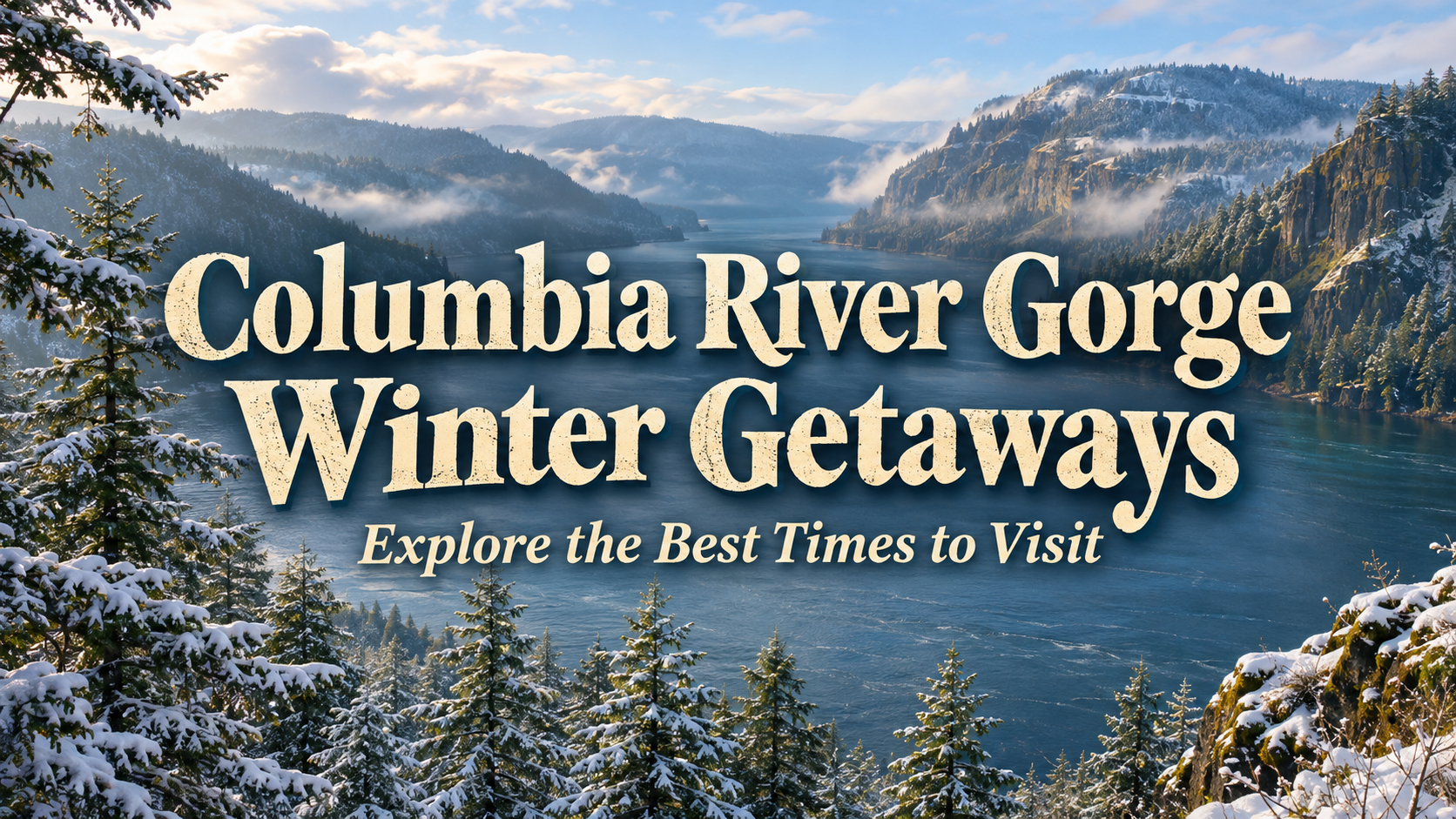
Columbia River Gorge Fall
Columbia River Gorge Fall | Scenic Views & Activities
By: Menandro Bacalangco Jr. | November 04, 2026
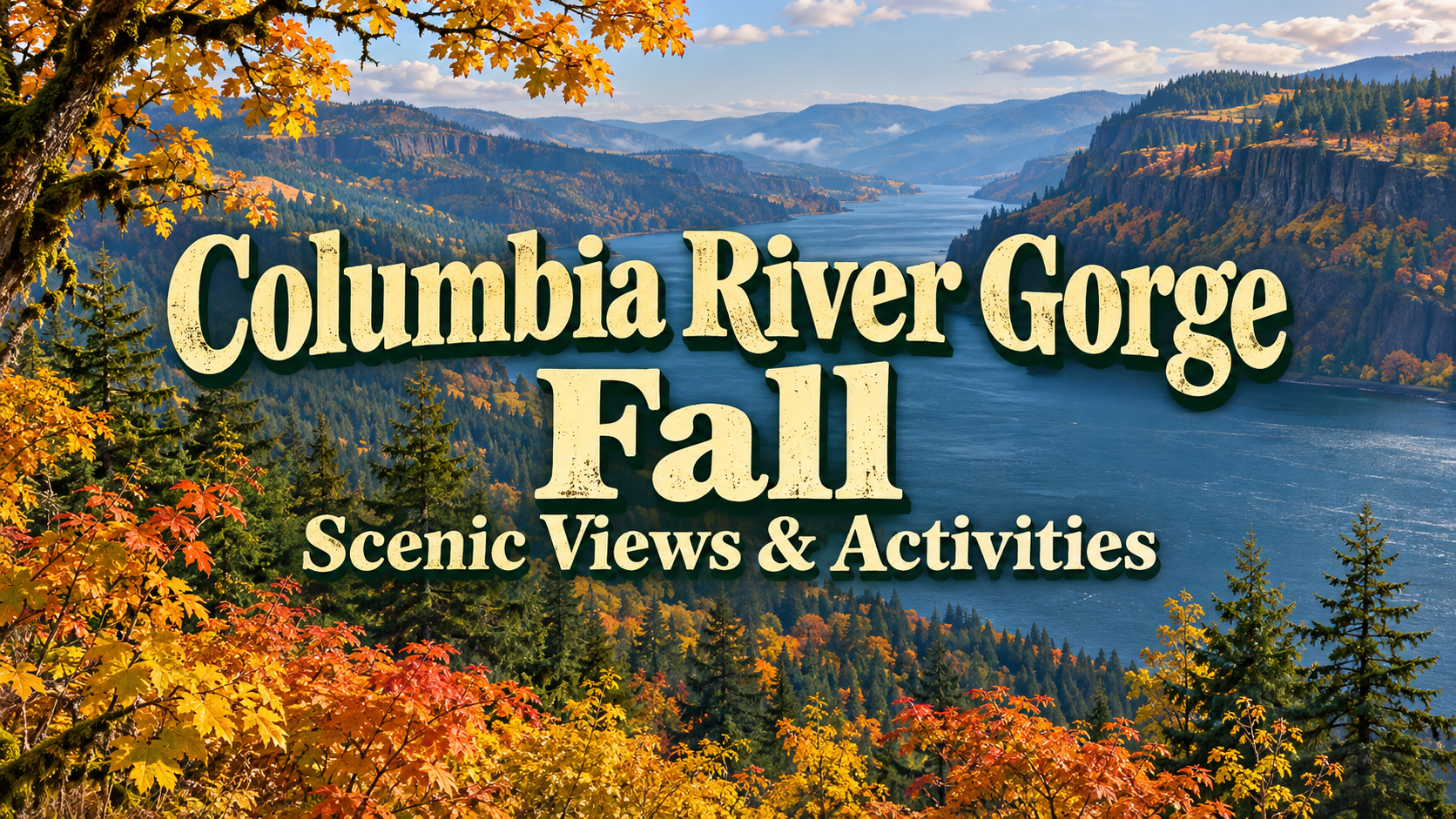
Columbia River Gorge Fall Guide: Foliage, Drives & Activities
A Columbia River Gorge fall trip brings together changing leaves, waterfall walks, orchard visits, and scenic drives between small towns. October is a useful starting point for foliage planning, while September offers harvest outings and November suits a more flexible schedule built around rain and shorter days.
Stevenson, Washington, makes a practical base for exploring both banks without changing accommodations. Put one sightseeing corridor on each day's calendar, leave space for weather changes, and return to town for dinner. This guide focuses on where to go, how to organize the routes, and what to check before setting out.
When to See Fall Foliage
There is no single peak week across the Columbia River Gorge. Elevation, tree species, rainfall, and wind affect when leaves change and how long they remain on the branches. Travel Oregon identifies late October as a typical peak period for the broader Mount Hood and Gorge area, rather than a guaranteed annual date.
For the Columbia River Gorge, use this seasonal framework when choosing your dates:
- September: Prioritize harvest outings, longer sightseeing days, and early patches of changing leaves.
- October: Make foliage walks and scenic overlooks the main attractions, with indoor alternatives ready.
- November: Expect a greater chance of bare branches and wet conditions; plan around waterfalls, local food, and short outdoor breaks.
The appeal of the Columbia River Gorge comes from the contrast between deciduous leaves and evergreen forest. Look for fall color along wooded trails and creek corridors as well as broad viewpoints. A sheltered walk may reveal more detail than a distant panorama.
Check recent, location-specific photos shortly before traveling. Images from a higher trail or a previous year do not establish what you will see beside the water that weekend.
Scenic Drives Along the Columbia River
Choose a route that matches your priorities rather than trying to complete every scenic drive in one day. The Columbia River Gorge spans two states, and bridge crossings, parking searches, and short walks all add time.
Historic Columbia River Highway

Scenic Drives Along the Columbia River
Choose a route that matches your priorities rather than trying to complete every scenic drive in one day. The Columbia River Gorge spans two states, and bridge crossings, parking searches, and short walks all add time.
Historic Columbia River Highway
The western waterfall corridor combines forest, basalt cliffs, and several well-known cascades. From Stevenson, cross at the Bridge of the Gods and connect with the appropriate westbound route toward your chosen stops. Budget for the bridge toll and check current crossing information.
Use the Historic Columbia River Highway guide to understand the corridor before choosing a small group of stops. Multnomah Falls and nearby waterfall viewpoints can anchor the day, with additional walks depending on daylight and access.
Check ODOT's current notices before following a navigation app. The repaired viaducts beside Multnomah Falls have reopened, but vehicle-length restrictions remain, and pedestrians cannot walk along those narrow highway sections. An open highway also does not establish that every adjoining trail is open.
SR 14 and Beacon Rock
Heading west from Stevenson on SR 14 gives you views across the Columbia River without requiring a bridge crossing. This route works well for a shorter outing with a park stop and time back in town afterward.
Beacon Rock is one possible destination, but its summit trail should be conditional. The current notice lists closures on Tuesdays, Wednesdays, and Thursdays from October 1 through the end of May for decking replacement, unless otherwise noted. Check the latest alert before planning the climb.
The Beacon Rock State Park guide provides background for the visit. Follow posted parking and pass requirements, use designated pullouts, and skip exposed viewpoints when wind or visibility makes stopping uncomfortable.
A Harvest Drive to Hood River
For a different day out, head east and cross into Hood River for the Fruit Loop. This agricultural route runs through the valley south of town; it is a separate excursion from the western waterfalls.
The official Fruit Loop describes a roughly 35-mile circuit of farm stands, orchards, and tasting stops. Apples, pears, and cider make harvest season especially appealing, but individual opening hours and picking opportunities vary. Choose two or three destinations and confirm each operator's schedule before leaving.
Clear conditions may reveal Mount Hood above the orchards. Treat that mountain view as a bonus rather than the reason the outing must succeed. The local town and activity guide adds options for lunch and time downtown.
Waterfalls and Gorge Hikes

Shorter fall hikes let you combine forest scenery with another activity before dark. Choose routes according to footing, exposure, and recent weather, rather than distance alone. In the Columbia River Gorge, a short trail can still include slippery surfaces and steep drops.
Consider these two approaches:
- A dedicated waterfall walk: The Forest Service describes the Wahclella Falls Trail as a 2.4-mile out-and-back through a canyon. Its guidance advises against visiting during or within 48 hours of heavy rain or snow because of flash-flood, falling-tree, and landslide hazards. Check alerts first; a year-round season listing is not a daily opening guarantee.
- Viewpoints with less walking: Build an outing around established viewing areas instead of a longer forest route. The guide to waterfalls you can visit without hiking helps narrow the options. Check the actual walking surface and gradient if accessibility is a priority.
Multnomah Falls has its own access rules. In 2026, timed permits for the I-84 Exit 31 lot applied from May 22 through September 7, between 9 a.m. and 6 p.m. That season has ended, but parking availability and other restrictions still matter. Confirm the rules for your travel year.
For a single-day route, the waterfall itinerary offers a useful planning companion. Avoid adding every available stop simply because the distances look short on a map.
Weather, Packing, and Access Checks
Weather in the Columbia River Gorge calls for planning around cool mornings, rain, and wind, with conditions changing as you move between sheltered forest, open shoreline, and higher ground. Later in the season, keep mountain excursions optional and check the forecast for the actual destination.
For a comfortable day in the Columbia River Gorge, pack:
- A waterproof outer layer and insulating midlayer.
- Shoes with reliable traction and spare socks.
- Water, snacks, and a warm layer for stationary viewpoints.
- A headlamp, charged phone, and downloaded navigation.
- A dry bag or protective pouch for electronics.
Before departure, check the forecast, Oregon TripCheck, Washington travel alerts, and the land manager's notices for each planned stop. The Columbia River Gorge National Scenic Area includes multiple recreation sites with different fees and rules; one pass does not necessarily cover every parking area.
Put the longest walk early in the day and set a turnaround time. Wet leaves can conceal uneven footing, and the return journey deserves the same daylight allowance as the outward walk.
A Two-Day Columbia River Gorge Itinerary
This plan assumes you have two sightseeing days and accommodation in Stevenson. Reverse the days if that gives the waterfall outing better weather. Keep the plan smaller when daylight is limited.
Day 1: Waterfalls and Forest Walks
Morning: Leave after breakfast for the western waterfall corridor. Choose one main walk, subject to current alerts, or several established viewpoints. Keep the rest of the morning open for parking delays and time beside the cascades.
Afternoon: Have lunch in Cascade Locks or bring a picnic for a designated area. Add one short stop if conditions and daylight allow, then return across the bridge. The Columbia River views are part of the journey, so avoid scheduling every minute.
Evening: Walk around Stevenson if conditions are pleasant and have dinner locally. The Stevenson restaurant guide helps you choose a meal without another long drive.
Day 2: Orchards, Local History, and Town
Morning: Travel toward the Hood River orchard valley for two or three confirmed farmstand stops. Allow time for browsing and food purchases rather than treating the whole circuit as a driving challenge.
Afternoon: Have lunch in Hood River, then return to Stevenson with daylight to spare. If heavy rain makes the longer excursion unattractive, replace it with the Columbia Gorge Museum and time downtown. The museum currently lists daily hours of 10 a.m.–5 p.m., with Thanksgiving among its closures.
The museum guide provides context for that alternative. For a longer visit, the three-day itinerary from Portland can help distribute additional outings across another day.
Evening: Return to your accommodation, organize the next morning's departure, and enjoy a quiet meal. A fall weekend in the Columbia River Gorge leaves room for evenings without another attraction after sunset.
Make Stevenson Your Lodging Base
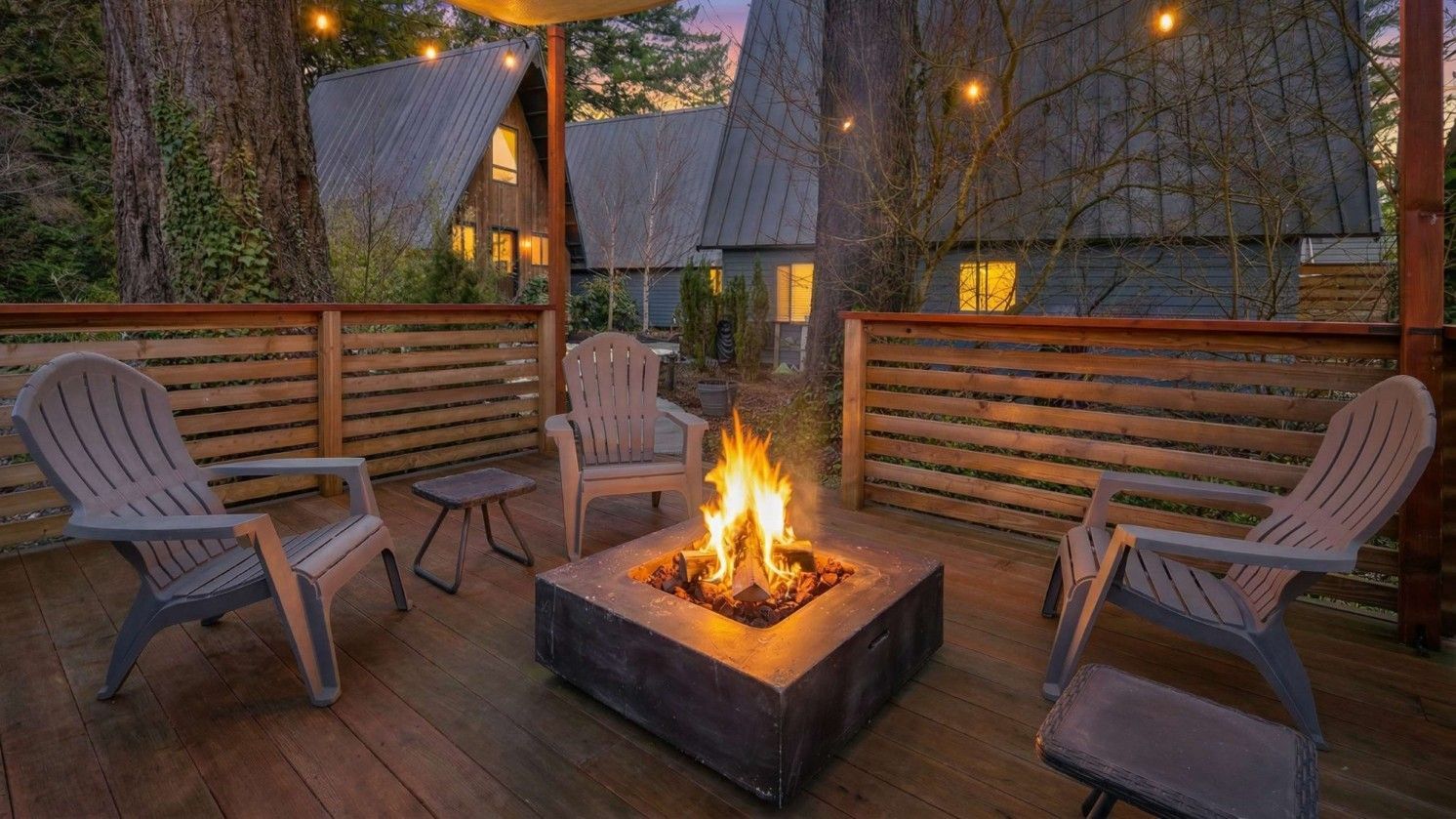
A Stevenson base gives your Columbia River Gorge trip a consistent starting point, with separate days for the waterfall corridor, local sights, and the eastern harvest route. The first-time visitor's guide to Stevenson helps orient you between larger outings.
Artbliss Hotel offers A-frame accommodations within walking distance of downtown. Its published amenities include kitchenettes, fireplaces, and private decks, useful for breakfast before departure and a comfortable return after sightseeing.
For your stay, compare the cabin collections carefully. The Mountain View Collection and Private Soaking Tub Collection emphasize different features; confirm your selected collection's inclusions rather than assuming every cabin has both.
Stevenson works particularly well when you want to stay in one place and adjust each day's route to the forecast.
Frequently Asked Questions
Is October a good time to visit?
Yes. October combines seasonal leaves with harvest outings and waterfall sightseeing. Exact foliage timing varies, so check recent local observations and keep an indoor alternative available.
Can you explore without long walks?
Yes. Scenic drives, established waterfall viewing areas, farm stands, and the museum provide alternatives to longer trails. Check parking distances, stairs, and surfaces individually if mobility access is important.
How many days should you allow?
Two full days give you time for a waterfall route and a separate harvest or local sightseeing day. Add a third day if you want more walking time or greater flexibility around wet weather.