Best Time to Visit Columbia River Gorge Waterfalls
Best Time to Visit Columbia River Gorge Waterfalls
By: Menandro Bacalangco Jr. | August 07, 2026
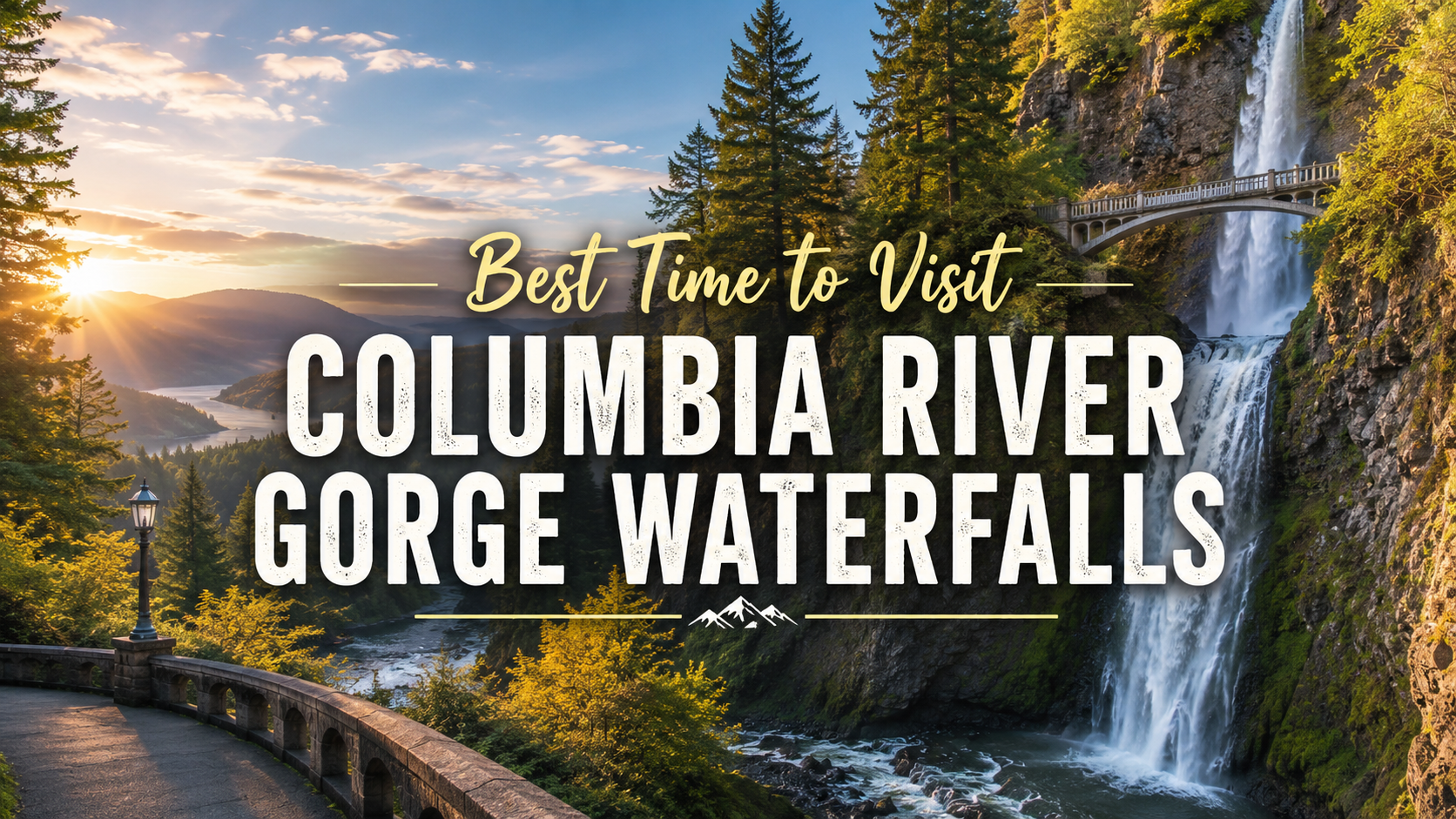
Best Time to Visit Columbia River Gorge Waterfalls | Seasonal Guide
The Columbia River Gorge is one of the Pacific Northwest's most spectacular destinations, drawing visitors with its towering waterfalls, scenic hiking trails, and breathtaking landscapes. Stretching along the border of Oregon and Washington, this National Scenic Area is home to more than 90 waterfalls, each offering its own unique beauty throughout the year.
While the waterfalls are accessible in every season, the best time to visit Columbia River Gorge waterfalls depends on the type of experience you're looking for. Spring delivers roaring cascades fueled by snowmelt, summer offers sunny weather and long hiking days, fall brings colorful foliage, and winter creates peaceful landscapes with occasional icy waterfalls.
Whether you're planning your first trip or returning to explore new trails, understanding how each season affects waterfall flow, weather, and crowds will help you make the most of your visit.
Why Timing Matters When Visiting Columbia River Gorge Waterfalls
The Columbia River Gorge experiences noticeable seasonal changes that affect everything from waterfall volume to hiking conditions. Choosing the right time to visit can mean the difference between seeing waterfalls at their most powerful or enjoying quieter trails with fewer visitors.
Several factors influence the overall experience:
- Waterfall flow changes throughout the year.
- Trail conditions vary with rainfall and temperatures.
- Crowds increase significantly during summer weekends.
- Seasonal scenery transforms the landscape from lush greenery to vibrant autumn colors.
- Weather affects visibility, photography, and hiking comfort.
Fortunately, there's no wrong time to explore the Gorge. Each season offers unique advantages depending on your interests.
Spring (March to May): The Best Overall Time to Visit
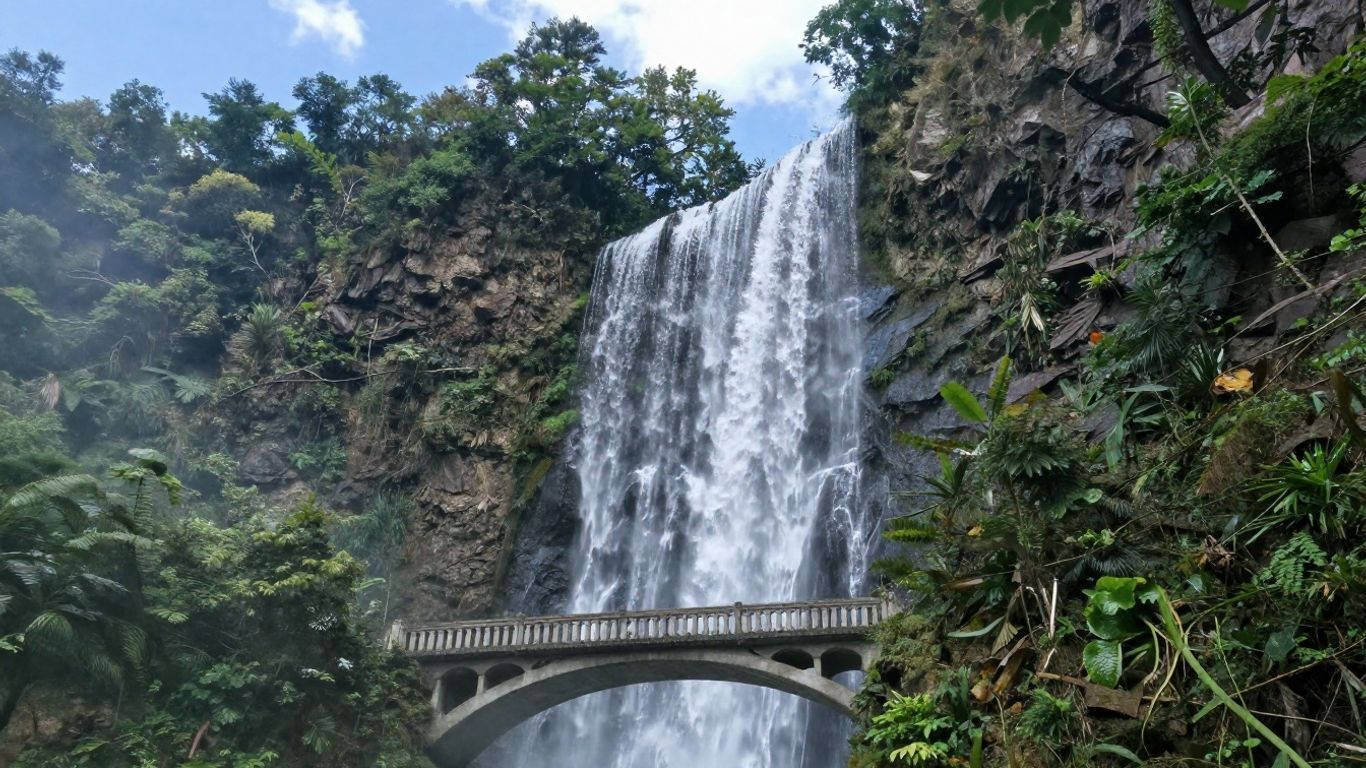
If you're wondering about the absolute best time to visit Columbia River Gorge waterfalls, spring is the clear winner. Snowmelt from the Cascade Mountains combines with seasonal rainfall to create spectacular waterfall flow throughout the region. Waterfalls roar down moss-covered cliffs, forests burst with fresh greenery, and wildflowers begin blooming along many hiking trails.
Spring temperatures typically range from the upper 40s to mid-60s, making it comfortable for outdoor adventures without the summer heat. The cooler weather also makes longer waterfall hikes more enjoyable.
Why Visit During Spring?
- Peak waterfall flow
- Vibrant green forests
- Blooming wildflowers
- Comfortable hiking temperatures
- Excellent waterfall photography
Popular waterfalls such as Multnomah Falls, Latourell Falls, Bridal Veil Falls, Wahkeena Falls, and Wahclella Falls are particularly impressive during spring when water volume reaches its highest levels.
Spring Hiking Conditions
Many trails remain wet after winter rains, so expect muddy sections and occasional puddles. Waterproof hiking shoes and a rain jacket are recommended, especially during March and early April.
Despite the occasional showers, spring offers some of the most rewarding hiking conditions in the Columbia River Gorge. Cooler temperatures allow visitors to comfortably explore multiple waterfalls in a single day.
Best Spring Activities
Besides chasing waterfalls, spring is an excellent time to:
- Explore scenic waterfall hikes.
- Drive the Historic Columbia River Highway.
- Visit Vista House for panoramic Gorge views.
- Photograph moss-covered cliffs and flowing streams.
- Enjoy fewer crowds than peak summer weekends.
If your goal is to experience the Columbia River Gorge at its most dramatic, spring delivers unmatched scenery and unforgettable outdoor adventures.
Summer (June to August): Sunny Days and Peak Adventure Season
Summer is the busiest time to visit the Columbia River Gorge, thanks to warm weather, clear skies, and extended daylight hours. From June through August, visitors enjoy ideal conditions for hiking, sightseeing, and exploring multiple waterfalls in a single trip. While some smaller seasonal waterfalls may experience reduced flow by late summer, the Gorge's most famous waterfalls continue to impress.
Temperatures typically range from the upper 60s to the mid-80s, making summer perfect for travelers looking to spend long days outdoors.
Why Visit During Summer?
- Warm, sunny weather
- Long daylight hours for exploring
- Dry hiking trails
- Great conditions for road trips
- Family-friendly outdoor activities
Summer is also one of the best times to combine waterfall visits with kayaking, paddleboarding, cycling, and scenic drives along the Historic Columbia River Highway.
Expect Larger Crowds
The pleasant weather attracts thousands of visitors every week, especially around Multnomah Falls, one of Oregon's most visited natural attractions. Parking lots often fill early, and popular viewpoints can become crowded by mid-morning.
For a more enjoyable experience:
- Arrive before 8:00 AM.
- Visit on weekdays whenever possible.
- Explore lesser-known waterfalls alongside the popular ones.
- Consider staying nearby to avoid long morning drives.
Although summer is the busiest season, careful planning allows visitors to enjoy many of the Gorge's top attractions before peak crowds arrive.
Fall (September to November): Waterfalls Surrounded by Autumn Color
As temperatures begin to cool, the Columbia River Gorge transforms into one of the Pacific Northwest's most colorful destinations. Brilliant shades of gold, orange, and crimson blanket the forests while waterfalls continue flowing through the changing landscape.
Many travelers consider fall the perfect balance between favorable weather and lighter crowds. After Labor Day, visitor numbers decrease, making it easier to find parking and enjoy peaceful hikes.
Why Visit During Fall?
- Stunning autumn foliage
- Comfortable hiking temperatures
- Fewer crowds than summer
- Excellent photography conditions
- Crisp, refreshing weather
The Historic Columbia River Highway becomes especially scenic during October, offering countless overlooks where visitors can enjoy both waterfalls and colorful forests.
Fall Hiking Conditions
Most trails remain dry throughout early fall, though rainfall gradually increases during late October and November. A light waterproof jacket and sturdy hiking shoes are usually all that's needed.
This season is ideal for longer waterfall hikes, as cooler temperatures make climbing more comfortable than during the heat of summer.
Best Fall Activities
Fall visitors often enjoy:
- Scenic waterfall hikes
- Photography during peak foliage
- Driving the Historic Columbia River Highway
- Exploring Cascade Locks and Hood River
- Visiting local orchards and seasonal festivals
The combination of vibrant foliage and flowing waterfalls creates some of the most picturesque scenery you'll find anywhere in Oregon.
Winter (December to February): Peaceful Trails and Dramatic Scenery
Winter offers a completely different perspective of the Columbia River Gorge. While visitor numbers drop significantly, the waterfalls remain active, and occasional cold snaps create beautiful ice formations around cliffs and cascades.
Temperatures are generally cool, ranging from the mid-30s to upper 40s, with frequent rain at lower elevations and snow in the surrounding mountains.
Why Visit During Winter?
- Quiet hiking trails
- Peaceful viewpoints
- Occasional frozen waterfalls
- Cozy winter atmosphere
- Excellent opportunities for solitude
Although winter weather can be unpredictable, many of the Gorge's most popular waterfalls remain accessible throughout the season.
Winter Safety Tips
Conditions can change quickly, so visitors should:
- Check trail conditions before hiking.
- Watch for icy boardwalks and stairs.
- Wear waterproof boots with good traction.
- Bring warm layers and rain gear.
- Allow extra travel time during storms.
If you're comfortable with cooler weather, winter rewards visitors with a quieter, more intimate experience that's difficult to find during busier seasons.
Best Time of Day to Visit Columbia River Gorge Waterfalls
Choosing the right time of day can make just as much difference as choosing the right season. Visiting early not only helps you avoid crowds but also provides softer lighting for photography and a more peaceful atmosphere.
Early Morning (Best Overall)
Early morning is widely considered the best time to explore the Columbia River Gorge.
Benefits include:
- Easier parking
- Fewer visitors
- Cooler temperatures
- Better wildlife viewing
- Softer lighting for photos
Arriving before 8:00 AM allows you to experience popular waterfalls like Multnomah Falls before the busiest hours.
Midday
Midday offers bright conditions and comfortable temperatures but also brings the largest crowds, especially during summer weekends.
If visiting midday, consider exploring lesser-known waterfalls before returning to the more popular attractions later in the day.
Late Afternoon
Late afternoon provides quieter trails as many day-trippers begin heading home. While some waterfalls become shaded, nearby viewpoints overlooking the Columbia River often glow beautifully during the late afternoon light.
Best Days of the Week to Visit
If your schedule is flexible, choosing the right day can greatly improve your experience.
Weekdays
Tuesday through Thursday generally offer:
- Smaller crowds
- Easier parking
- Quieter hiking trails
- Better photo opportunities
- Shorter wait times at popular viewpoints
Weekends
Weekends attract visitors from across Oregon, Washington, and beyond. Expect heavier traffic, crowded parking lots, and busier trails, particularly from late spring through early fall.
Holiday weekends are the busiest times of the year, so arriving early—or visiting less-traveled waterfalls—can help you avoid the largest crowds.
Waterfall Flow Throughout the Year
| Season | Waterfall Flow | Crowds | Hiking Conditions | Best For |
|---|---|---|---|---|
| Spring | Excellent | Moderate | Cool and occasionally muddy | Peak waterfall viewing |
| Summer | Good | High | Warm and dry | Families, sightseeing, long hikes |
| Fall | Good | Moderate | Cool and colorful | Photography and foliage |
| Winter | Moderate to Good | Low | Wet and sometimes icy | Quiet adventures and scenic views |
Overall, spring offers the most powerful waterfalls, while fall provides one of the best combinations of pleasant weather, colorful scenery, and manageable crowds.
Permit, Parking, and Shuttle Information
Before visiting the Columbia River Gorge waterfalls, it's important to understand current parking regulations and access requirements. Some of the Gorge's most popular destinations have implemented seasonal parking management programs to reduce congestion and protect natural resources.
Parking requirements and permit programs can change throughout the year, so it's always a good idea to check the latest information before your trip.
Parking Tips
To make your visit smoother:
- Arrive early, especially during spring and summer.
- Follow posted parking signs and regulations.
- Use designated parking areas only.
- Consider shuttle services if they're available during peak travel periods.
- Check for temporary trail closures or maintenance before leaving.
Planning ahead can save time and help you spend more of your day enjoying the waterfalls instead of searching for parking.
How Weather Affects Columbia River Gorge Waterfalls
The weather has a significant impact on both waterfall flow and hiking conditions throughout the year. Understanding how rainfall and seasonal changes affect the landscape can help you choose the best time for your visit.
After Heavy Rain
Rainfall dramatically increases water volume across the Gorge. Even waterfalls that flow gently during summer become more powerful after several days of rain.
Benefits include:
- Stronger waterfall flow
- More dramatic scenery
- Lush green forests
- Excellent photography opportunities
However, rainy conditions can also make trails muddy and slippery, so waterproof footwear is highly recommended.
During Dry Weather
Late summer often brings dry conditions across the Pacific Northwest. While famous waterfalls like Multnomah Falls continue flowing year-round, smaller seasonal waterfalls may slow considerably.
Dry weather also provides:
- Easier hiking
- Better road conditions
- Clear mountain views
- Comfortable sightseeing
Choosing between spring's dramatic waterfalls and summer's ideal hiking conditions depends on the type of adventure you're seeking.
Best Waterfalls to Visit Each Season
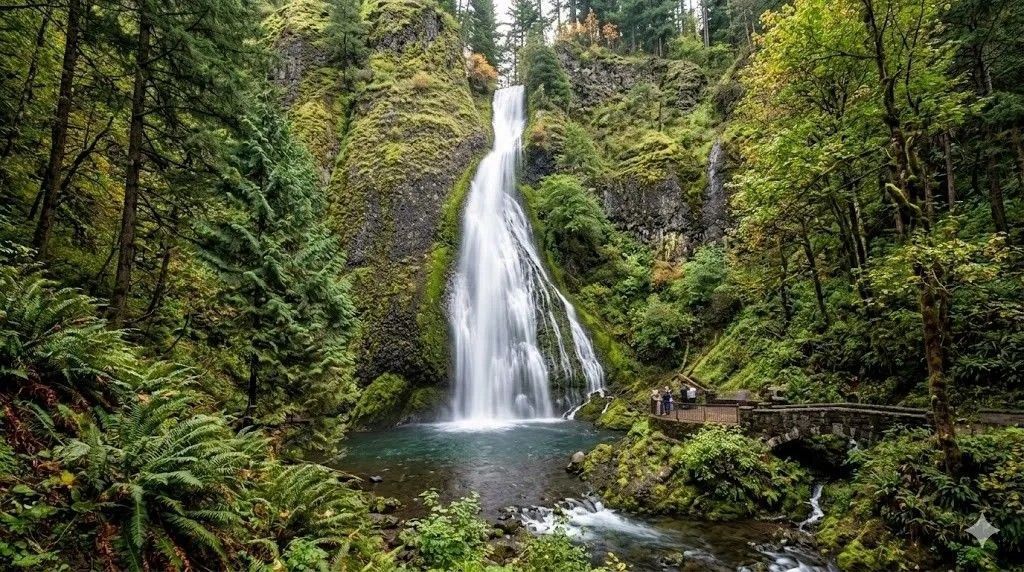
Although every waterfall offers something unique, some shine brighter during specific times of the year.
Spring Favorites
Spring showcases the Gorge at its most dramatic.
Top waterfalls include:
- Multnomah Falls
- Wahkeena Falls
- Latourell Falls
- Wahclella Falls
- Bridal Veil Falls
These waterfalls experience peak water flow thanks to melting snow and seasonal rainfall.
Summer Favorites
Summer is perfect for exploring waterfalls with longer hikes and nearby recreation.
Popular choices include:
- Horsetail Falls
- Ponytail Falls
- Dry Creek Falls
- Bridal Veil Falls
- Elowah Falls
Many visitors combine waterfall hikes with scenic drives and stops in Cascade Locks or Hood River.
Fall Favorites
Autumn creates beautiful contrasts between colorful forests and cascading waterfalls.
Excellent choices include:
- Dry Creek Falls
- Multnomah Falls
- Wahclella Falls
- Latourell Falls
Peak foliage usually occurs during October, making this one of the most photogenic times of the year.
Winter Favorites
Winter brings peaceful landscapes and occasional ice formations.
Recommended waterfalls include:
- Multnomah Falls
- Bridal Veil Falls
- Latourell Falls
These locations remain popular thanks to relatively easy access throughout the year.
Hiking Difficulty Comparison
Whether you're looking for a short walk or a longer adventure, the Columbia River Gorge offers trails for every skill level.
| Waterfall | Difficulty | Approximate Hike | Highlights |
|---|---|---|---|
| Multnomah Falls | Easy | 5–15 minutes | Iconic waterfall and Benson Bridge |
| Bridal Veil Falls | Easy | Less than 1 mile | Family-friendly forest trail |
| Latourell Falls | Easy to Moderate | 2.4 miles | Basalt cliffs and scenic loop |
| Wahclella Falls | Moderate | 2 miles round trip | Narrow canyon and two-tier waterfall |
| Dry Creek Falls | Moderate | 4.4 miles round trip | Forest scenery near Cascade Locks |
| Elowah Falls | Moderate | 1.5 miles round trip | Towering waterfall and creek canyon |
These trails vary in elevation and terrain, so always choose one that matches your experience level and available time.
What to Pack for Your Waterfall Adventure
Packing the right gear can make your trip more comfortable and enjoyable, regardless of the season.
Bring these essentials:
- Comfortable hiking shoes or boots
- Waterproof rain jacket
- Reusable water bottle
- Snacks for longer hikes
- Camera or smartphone
- Portable phone charger
- Small backpack
- Sunscreen
- Sunglasses
- Extra clothing layers
If you're visiting during spring or winter, waterproof footwear and warm clothing become even more important due to wet trail conditions.
Safety Tips for Visiting Columbia River Gorge Waterfalls
The Columbia River Gorge is beautiful, but its natural terrain deserves respect. Following basic safety guidelines helps protect both visitors and the environment.
Stay on Designated Trails
Leaving marked trails can damage fragile ecosystems and increase the risk of injury.
Watch for Slippery Surfaces
Mist from waterfalls often makes rocks, stairs, and wooden walkways slippery, even during dry weather.
Check Weather Conditions
Rain, snow, and high winds can affect trail safety and visibility. Review forecasts before beginning your hike.
Respect Trail Closures
Temporary closures help protect wildlife, restore trails, and keep visitors safe.
Practice Leave No Trace
Pack out all trash, avoid disturbing wildlife, and help preserve the Columbia River Gorge for future visitors.
Following these simple practices ensures everyone can continue enjoying one of the Pacific Northwest's most treasured natural destinations.
Nearby Attractions to Add to Your Waterfall Adventure
While the waterfalls are the main attraction, the Columbia River Gorge offers plenty of other destinations that can easily turn a day trip into a memorable weekend getaway. From scenic viewpoints to charming river towns, there's no shortage of places to explore between waterfall hikes.
Historic Columbia River Highway
The Historic Columbia River Highway is one of the most scenic drives in the Pacific Northwest. Built specifically to showcase the Gorge's natural beauty, the highway connects many of the region's most famous waterfalls, overlooks, and hiking trails.
Driving this historic route allows visitors to stop at multiple attractions without traveling far between destinations, making it an excellent option for first-time visitors.
Vista House at Crown Point
Perched high above the Columbia River, Vista House offers one of the Gorge's most iconic panoramic views. The historic observatory provides sweeping vistas of the river, surrounding cliffs, and Cascade Mountains, making it a popular stop before or after exploring nearby waterfalls.
Early mornings and late afternoons often provide the clearest skies and the best lighting for photography.
Cascade Locks
Located in the heart of the Columbia River Gorge, Cascade Locks is a charming small town that serves as an excellent base for exploring the area. Visitors can enjoy local restaurants, scenic riverfront parks, and easy access to many nearby waterfall hikes.
The town is also home to the famous Bridge of the Gods, a steel truss bridge connecting Oregon and Washington while offering beautiful views of the Columbia River.
Hood River
About 20 minutes east of Cascade Locks, Hood River is known for its outdoor recreation, local breweries, wineries, and vibrant downtown district. It's a popular destination for visitors looking to combine waterfall chasing with shopping, dining, or water sports.
The surrounding area also offers orchards, vineyards, and spectacular viewpoints overlooking both Mount Hood and the Columbia River.
Mount Hood
On clear days, Mount Hood creates a stunning backdrop for many Columbia River Gorge viewpoints. Visitors with extra time often extend their trip by driving toward the mountain to enjoy alpine scenery, hiking trails, lakes, and year-round outdoor recreation.
Combining the Columbia River Gorge with Mount Hood creates one of Oregon's most unforgettable road trips.
Where to Stay Near Columbia River Gorge Waterfalls
Choosing accommodations close to the waterfalls allows you to maximize your time exploring instead of spending hours driving. Staying nearby also makes it easier to arrive at popular trailheads early in the morning before crowds begin to build.
Cascade Locks is one of the best places to stay because of its central location within the Columbia River Gorge National Scenic Area. From here, visitors can quickly reach iconic destinations like Multnomah Falls, Wahclella Falls, Dry Creek Falls, and the Historic Columbia River Highway while enjoying easy access to restaurants, parks, and scenic riverfront views.
Whether you're planning a weekend getaway or a longer Pacific Northwest adventure, staying close to the Gorge makes it easier to experience more waterfalls, enjoy leisurely hikes, and take advantage of quieter mornings.
Final Thoughts
The best time to visit Columbia River Gorge waterfalls ultimately depends on the experience you're seeking. Spring offers the most powerful cascades and vibrant landscapes, summer provides long days for hiking and sightseeing, fall transforms the Gorge with brilliant autumn colors, and winter rewards visitors with peaceful trails and dramatic seasonal scenery.
No matter when you visit, the Columbia River Gorge promises unforgettable outdoor adventures, breathtaking viewpoints, and some of the most spectacular waterfalls in the Pacific Northwest. By planning around the seasons, arriving early, exploring beyond the most popular stops, and choosing a comfortable cabin as your home base, you'll enjoy a richer and more memorable experience.
After a full day of chasing waterfalls, hiking scenic trails, and exploring the Columbia River Gorge, relax at
Artbliss Hotel in Cascade Locks. Conveniently located near many of the area's top attractions, Artbliss Hotel provides a comfortable home base for discovering everything the Gorge has to offer while making it easy to continue your adventure the next day.
Frequently Asked Questions
What is the best month to visit Columbia River Gorge waterfalls?
April and May are generally considered the best months to visit. Spring snowmelt and seasonal rainfall create the strongest waterfall flow, while cool temperatures make hiking comfortable.
Are Columbia River Gorge waterfalls open year-round?
Yes. Many of the Gorge's most popular waterfalls remain open throughout the year. However, weather conditions, maintenance projects, or temporary trail closures may affect access, so it's always wise to check current conditions before your trip.
When is the least crowded time to visit?
Weekdays during the fall and winter typically offer the fewest crowds. Arriving early in the morning also helps visitors enjoy quieter trails and easier parking.
Can you visit Columbia River Gorge waterfalls after it rains?
Absolutely. In fact, waterfalls are often at their most impressive after several days of rainfall. Just be prepared for muddy trails and slippery surfaces by wearing waterproof footwear.
How many waterfalls can you see in one day?
Many visitors can comfortably visit five to eight waterfalls in a single day, especially when following the Historic Columbia River Highway. Planning your route in advance helps maximize your time.
Do I need hiking experience to visit the waterfalls?
Not necessarily. The Columbia River Gorge features waterfalls for every skill level, from short, paved walks to more challenging hikes through forested canyons.
What should I wear when visiting the Columbia River Gorge?
Dress in layers and wear comfortable hiking shoes with good traction. Even during summer, temperatures can change throughout the day, and waterfall mist may make trails damp.