
The best time of year to visit Stevenson, Washington
The best time of year to visit Stevenson, Washington: A seasonal guide
By: Menandro Bacalangco Jr. | July 10, 2026
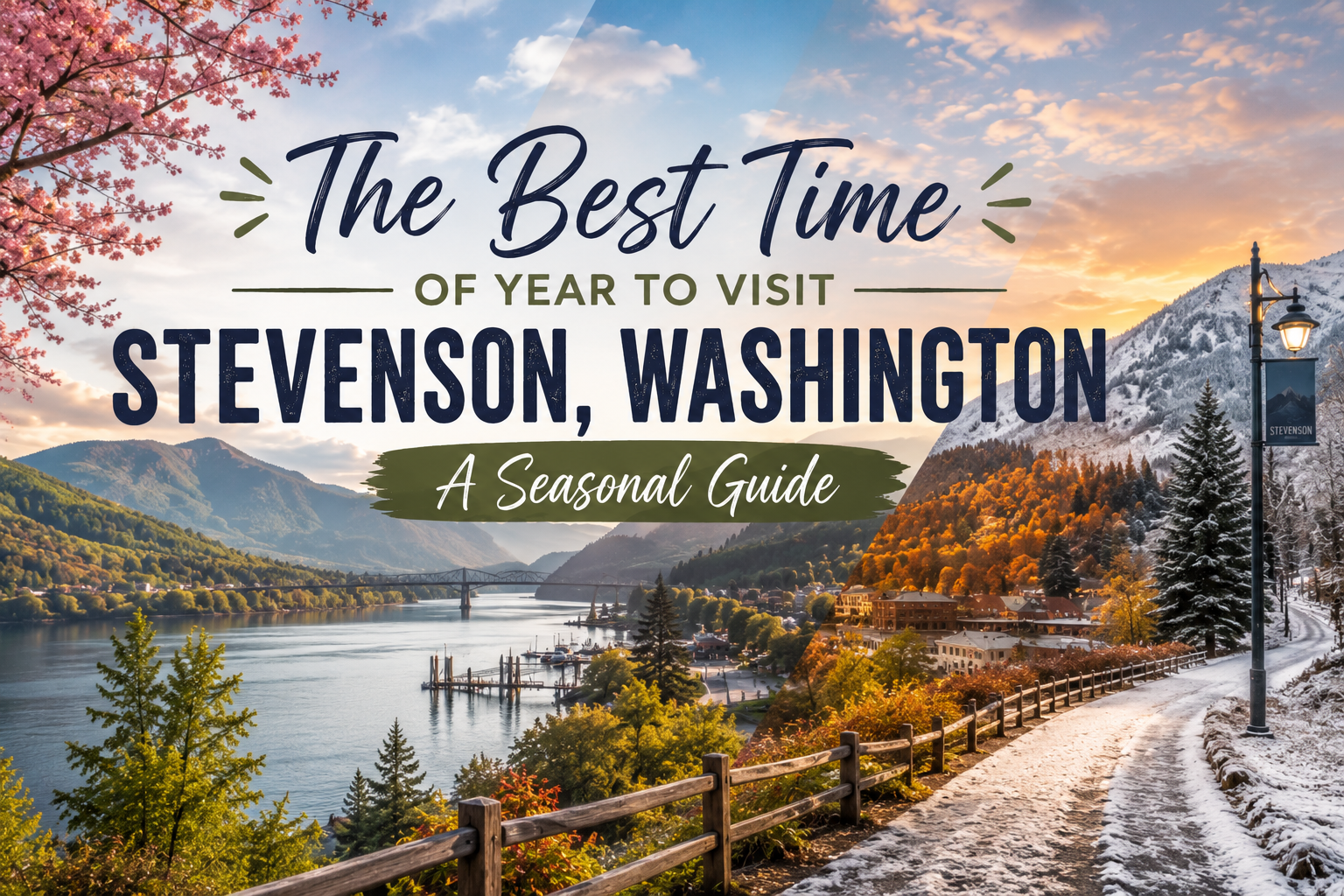
Stevenson, Washington, stands as a premier destination in the heart of the Columbia River Gorge, offering a versatile year-round experience for every type of traveler. Whether you are an adventure seeker eager to tackle the river’s famous winds and rugged mountain trails or someone in search of a peaceful retreat amidst the region’s serene, mist-covered cliffs, this charming town provides an idyllic escape in every season.
Key Takeaways
- Spring is the ideal season for viewing waterfalls and rare wildflower blooms.
- Summer provides the most reliable weather for active water sports and high-elevation trekking.
- Autumn offers a perfect balance of comfortable temperatures for scenic drives and harvest activities.
- Winter is the premier time for wellness-focused retreats and quiet, misty exploration.
- Choosing the best time depends on whether you prioritize outdoor adventure or relaxation and recovery.
Understanding Stevenson’s climate and seasonal shifts
Typical weather patterns in the Columbia River Gorge
The climate in the Gorge is defined by its dramatic interaction between the moisture-rich coast and the high desert terrain to the east. Travelers often find that Stevenson's climate details are influenced by these distinct geographical forces, leading to a dynamic environment where daily shifts in cloud cover and humidity are part of the local charm. The following table provides a quick look at average conditions throughout the year to help you prepare for your visit.
| Season | Avg Temp (°F) | Activity Focus |
|---|---|---|
| Spring | 45–60 | Photography |
| Summer | 65–80 | Water Sports |
| Autumn | 50–70 | Scenic Drives |
| Winter | 35–45 | Wellness |
These projections help ground your planning, ensuring you pack for the specific environmental nuances of the season you choose.
Navigating regional rainfall and coastal influence
Precipitation is a defining characteristic of the Pacific Northwest, and Stevenson is no exception, seeing significant, lush-making rainfall mostly concentrated in the cooler months. The coastal winds move through the channel of the river, often creating localized microclimates that can change from sunny to drizzly within a short driving distance. Visitors often find that the mist enhances the natural atmosphere, turning a simple hike into an immersive, moody experience that is uniquely Oregon-Washington.
Average temperature ranges across the calendar year
Average temperatures remain temperate throughout the summer and cooler seasons, making Stevenson a comfortable destination any time of year, depending on your travel preferences. While you might encounter a sharp frost in December, the presence of the massive Columbia River helps regulate the air, keeping the valley floor relatively comfortable compared to higher elevations nearby. Planning your agenda around these cycles allows for optimal enjoyment of the terrain while avoiding unpredictable extremes.
Spring: Blooming landscapes and waterfall hikes
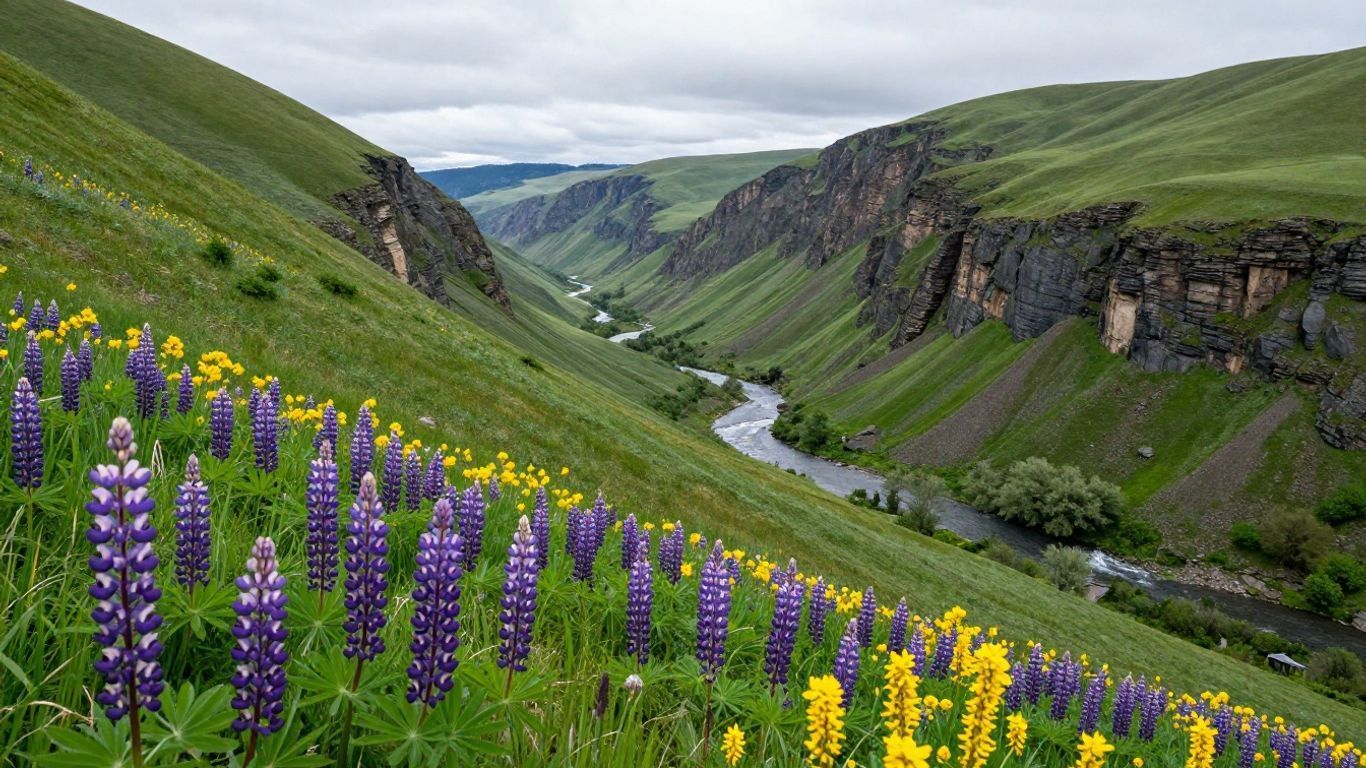
Peak season for wildflower photography
Spring represents a transformation of the landscape, as the hillsides in places like Dog Mountain explode into a vivid tapestry of color. Photographers flock to these regions to capture rare blooms, though the early season can be quite muddy and unpredictable. Arriving early in the morning during late April is often the best strategy to capture the vibrant colors while minimizing the impact of the midday sun on your shots.
Optimal conditions for accessing Columbia River Gorge waterfalls
Spring is undeniably the most dramatic season for waterfall enthusiasts, as snowmelt feeds the cascades, pushing them to peak flow. Many trails, such as visits to the iconic sights mentioned in Columbia River Gorge activities, are most impressive during these months. Be mindful that even popular paths might require extra caution due to slippery rocks and sediment buildup from the winter.
Managing temperature fluctuations and early-season trail conditions
Preparing for the variability of spring requires a strategic approach to packing and equipment. Since conditions shift rapidly from chilly rain to bright, warm intervals, following core hiking practices is essential for a safe outing.
- Pack waterproof outer layers to handle sudden spring showers.
- Wear sturdy, broken-in hiking boots to navigate muddy trail sections.
- Bring extra hydration and high-energy snacks for longer mountain climbs.
- Use a physical map or a reliable GPS device, as cellular signal is unpredictable.
Once you have your gear sorted, the rewarding vistas far outweigh the minor challenges of navigating early spring terrain.
Summer: Peak outdoor recreation and adventure
Engaging in water sports on the Columbia River
Summer transforms the river into a hub for windsurfing, kiteboarding, and kayaking, drawing enthusiasts from across the globe. The consistent winds through the Gorge make it a world-class destination for water athletes looking to hone their skills in a stunning natural arena. When you are done on the water, Skamania Lodge offers a perfect spot to relax and refuel with its comprehensive amenities.
Accessing high-elevation hiking trails
As the snow clears, high-mountain paths finally become accessible to trekkers who want to escape the valley heat. These higher altitudes lead to expansive vistas of Mount Hood and the surrounding wilderness, providing a much-needed cooling effect during the warmest months of the year. Always verify the current status of roads leading to these trailheads, as some seasonal forest gates remain closed long into early summer.
Strategies for balancing popularity and peaceful exploration
Popular trails near Stevenson can see heavy foot traffic on summer weekends, but you can find quiet moments by timing your outings strategically. Seeking out hidden gems or visiting sites on weekday mornings allows you to absorb the majesty of the Gorge without the crowds. When evening descends, exploring local culture at AniChe Cellars or nearby boutiques often provides a more intimate way to wind down.
Autumn: Foliage, harvest, and scenic drives
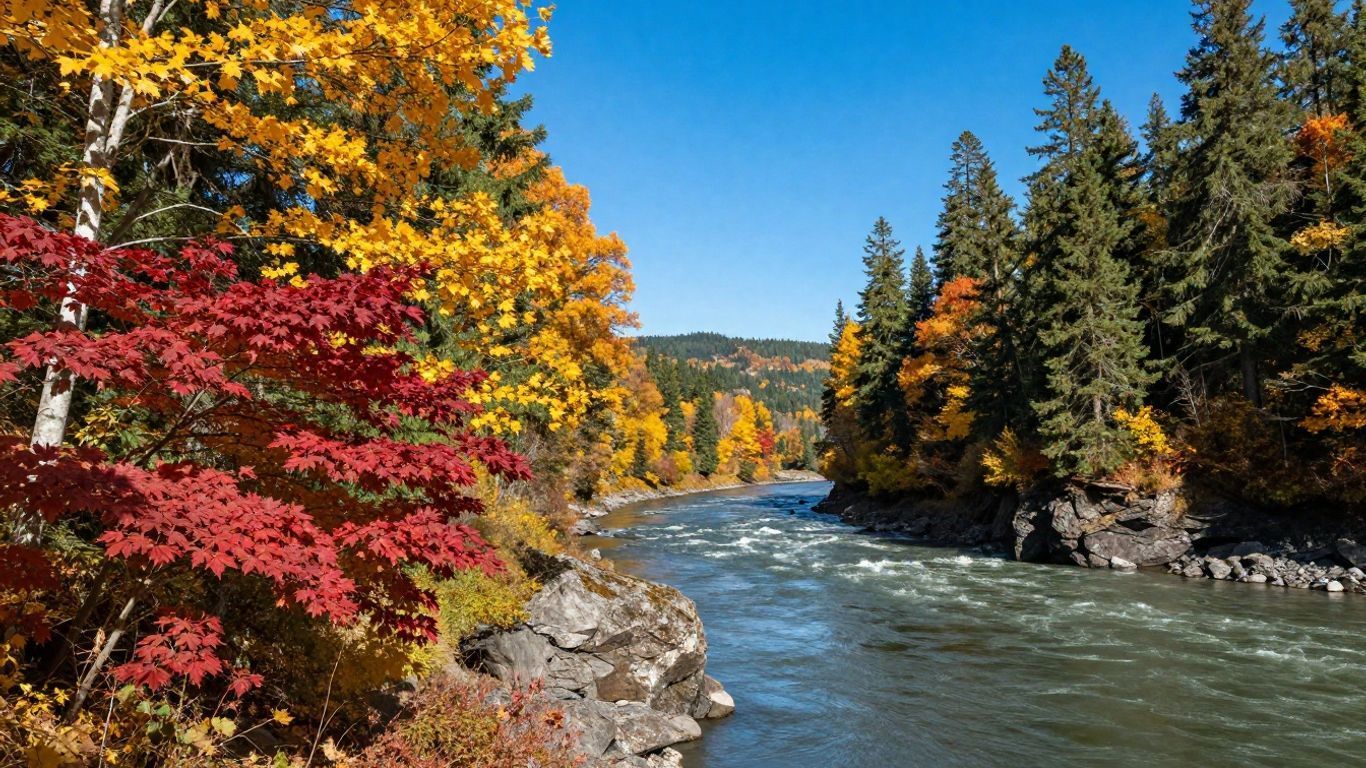
Viewing seasonal fall colors in the Gorge
Autumn creates a spectacular display as the dense forest canopy shifts through brilliant shades of gold, amber, and crimson. Driving along the historic highway route provides endless opportunities for scenic photography, with the crisp, cool air offering a refreshing contrast to the humid summer heat. This is perhaps the best time to appreciate the changing rhythm of nature before the winter dormant phase begins.
Visiting local farms, orchards, and regional wineries
Harvest season is a culinary highlight in the region, with local farms and orchards opening their gates for visitors. You can spend your afternoons picking fresh produce or sampling craft beverages at Hawkins Cellars, where the local terroir really shows through in every pour. This engagement with the regional agricultural scene adds a layer of depth to your trip that you simply cannot get at any other time of year.
Preparing for cooler, crisp Pacific Northwest evenings
As night falls, temperatures drop quickly, turning the late days into chilly, stargazing-friendly evenings. It is wise to layer your clothing, keeping a fleece or light wool jacket handy regardless of how warm the afternoon sun feels. Staying at a venue that offers fireplace access or cozy outdoor seating ensures that you remain comfortable while enjoying the cooling atmosphere.
Winter: Cozy retreats and off-season serenity
Wellness-focused getaways and local spa experiences
Winter encourages a slower pace, making it the perfect season for indulging in restorative wellness retreats. Resorts and spas in the area shift their focus toward rejuvenation, offering services that range from deep-tissue massages to hydrotherapy meant to counteract the dreary winter chill. The serenity found in the quiet, empty lobby of a local inn is often the highlight of this peaceful period.
Winter hiking accessibility and quiet trail experiences
While high-elevation trails are snow-covered, many lower-elevation paths remain accessible for those prepared for wet conditions. You will find that these trails offer an entirely different personality in the winter, with the absence of crowds allowing you to hear the thundering falls and rustling wind clearly. It is a rare chance to feel completely alone in the wilderness without needing to hike dozens of miles into the backcountry.
Embracing the atmospheric, misty Gorge aesthetic
There is a profound beauty in the dense, swirling fog that often rolls through the river valley during the colder months. This mist softens the harsh mountain lines and turns every pine-covered cliff into a dramatic, artistic silhouette. Embracing this mood is key to enjoying a winter visit; pack your favorite book, a warm sweater, and a camera, and prepare to appreciate the quiet power of a Pacific Northwest winter.
Choosing the best time based on your travel goals
Traveling for nature-based wellness and personal recovery
If your primary goal is resetting your mental health, the shoulder seasons or the quiet winter months offer the best environment for introspection. Away from the bustle of the adventure season, you can treat the natural landscape as a personal sanctuary. Focusing on recovery often requires this specific kind of isolation, where the sounds of water and wind replace the constant demands of the modern world.
Balancing activity levels with seasonal comfort
For those who prefer a mix of action and comfort, September and October are unbeatable. The weather remains warm enough for moderate hiking, yet the evening cool allows for high-quality outdoor dining and relaxation. It is the sweet spot of the travel calendar, allowing you to sustain an active pace without the risk of overheating or the discomfort of persistent freezing rain.
Finding the best value for seasonal lodging and dining
Travelers seeking the best value often look to late autumn or early spring, as these periods fall outside the peak price brackets for luxury accommodations. By booking during these windows, you can often secure a premium cabin or other upscale lodging at a fraction of the cost, sometimes with exclusive perks at local restaurants and tasting rooms. Being flexible with your dates is the most important factor in stretching your travel budget further in Stevenson.
Conclusion
Ultimately, Stevenson remains a captivating destination year-round, with each season offering distinct advantages whether you crave intense adventure or deep restorative silence. By aligning your specific interests—be it the roar of spring waterfalls, the thrill of summer winds, the richness of autumn harvest, or the hush of a winter spa—you ensure a memorable visit that reflects your personal ideal of Pacific Northwest beauty.
As you plan your itinerary, we recommend exploring the many Things to do in Stevenson and booking a stay at the Arbliss Hotel to fully immerse yourself in the experience.
Frequently Asked Questions
What represents the best time of year to visit Stevenson, Washington?
The ideal time varies based on your preferences, but many travelers find that May through September offers the most comfortable weather for hiking and sightseeing.
Is winter a good time for a romantic getaway to the Gorge?
Yes, winter is an excellent time for luxury and cozy retreats, providing a serene, moody atmosphere perfect for couples who enjoy hot springs, fine dining, and relaxation.
Which months are best for avoiding crowds?
Late autumn, specifically November, and early spring before the peak bloom attract large tourist groups and are typically the quietest months for a peaceful visit.
Do I need special gear for hiking in Stevenson?
Yes, because the weather can fluctuate rapidly regardless of the season, you should always bring layers, waterproof boots, and a reliable rain jacket when exploring the trails.
Are there family-friendly activities in Stevenson during summer?
Summer is packed with options for families, including easy riverfront strolls, educational tours at local historic sites, and accessible forest trails suitable for all ages.
Can you visit wineries in Stevenson year-round?
Wineries in the area generally maintain regular operating hours throughout the year, though you should check specific schedules for late winter as some locations may reduce their hours.
Is there a best time to capture photos of the waterfalls?
Spring is the peak season for waterfall photography due to the increased flow from melting snow, though autumn provides a beautiful backdrop of colorful foliage surrounding the cascades.